Find the right nursery bags for plants to support healthy root growth, easy transplanting, and reliable drainage. This guide targets home gardeners, hobbyists, and small-scale growers looking for breathable, reusable, or biodegradable options. The top picks below are chosen for durability, root health benefits, and ease of use. Each product section explains who it’s best for and why it was selected, with practical cautions where relevant.
| Product | Best For | Key Benefit |
|---|---|---|
| Gardtree 200Pcs Nursery Bags (5.5″ x 6.3″) | Beginners and bulk growers | Breathable non-woven fabric for healthy root respiration |
| GREANER 200Pcs Nursery Bags (5.5″ x 6.3″) | Budget-conscious gardeners | Biodegradable, good drainage and air permeability |
| Belit 100 Pcs Nursery Bags (3.5″ x 6.6″) | Small-space setups | Flexible, multiple drainage holes, good for various plants |
| ENPOINT 100Pcs Nursery Bags (7.87″ x 13.77″) | Seed starts and cuttings | Breathable fabric, compact storage, good root growth |
| Gardzen 10-Pack Grow Bags (10 Gallon) | Medium to large transplants | Thick fabric, strong handles, air pruning |
Gardtree 5.5″ x 6.3″ Nursery Bags — Pack of 200

Best for bulk planting projects and hobby gardeners who need many units. These non-woven, biodegradable nursery bags promote root respiration and water/nutrient absorption, supporting robust seedling development. The bags’ seams use constant temperature welding to resist tearing, making them reliable for routine transplanting and transport. Best for gardeners who want a straightforward, low-cost solution with high quantity.
- Who this is for: DIY gardeners, classrooms, community gardens needing many bags.
- Why selected: Large pack size and breathable fabric encourage healthy roots while remaining economical.
- Caution: Some users may replace with sturdier pots for heavy, oversized transplants.
Belit 100 Pcs Plant Nursery Bags — 3.5″ x 6.6″

Choose this if you need flexible, portable nursery bags for assorted seedlings. These bags feature good flexibility and multiple drainage holes, helping excess water escape and air reach the roots. They are well-suited for fruit trees, vegetables, and flowers. They’re a practical option for gardeners prioritizing ease of movement and transplant readiness.
- Who this is for: Small yard projects, patio gardens, or plant starts.
- Why selected: Flexible, durable, and with reliable drainage holes to prevent waterlogging.
- Caution: Lower height may limit deep-rooted crops without transplanting to larger containers.
ENPOINT 7.87″ x 13.77″ Nursery Bags — 100 Pcs

Best for seed starts, tree cuttings, and rooting experiments where extra space is beneficial. These breathable, non-woven grow bags are designed to support high survival rates through good water permeability and air flow. They stand up well on trays and are suitable for compact storage when not in use.
- Who this is for: Seed starters, clones, or quick-growing saplings.
- Why selected: Larger size accommodates longer roots and more substantial soil volumes.
- Caution: Bulkier than smaller bags, may require more shelf space.
Land Guard 4-Pack Fabric Grow Bags — 5 Gallon

Best for larger plants and gardeners who want sturdy, reusable bags with handles for easier relocation. The 5-gallon size offers adequate room for root systems while the heavy-duty fabric supports heavier soil loads. It provides excellent drainage and breathability to prevent over-watering and promote vigorous growth.
- Who this is for: Homeowners growing larger vegetables or small shrubs in bags.
- Why selected: Strong handles and durable material simplify movement and repositioning.
- Caution: Not ideal for very small spaces where smaller bags are preferable.
Belit 100 Pcs 13.5″ H Nursery Grow Bags — Black
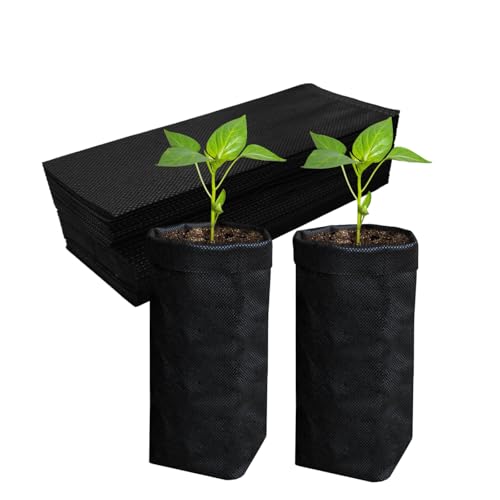
Best for deeper root systems and plants requiring more space before transplanting. These thick non-woven bags are sturdy and lightweight, with good water absorption and air permeability. They help prevent root rot and tangling, supporting a higher seedling survival rate in larger plants and trees.
- Who this is for: Deep-rooted shrubs, deep-rooting vegetables, and transplants needing more soil depth.
- Why selected: Enhanced root penetration and durability for longer growth cycles.
- Caution: Taller bags may be less stable on windy days without a stable tray or base.
Gardzen 10-Pack 10 Gallon Grow Bags

Better for gardeners seeking a balance of capacity, durability, and air pruning benefits. The 300G thickened nonwoven fabric provides moderate permeability and strong seam construction. The reinforced handles help movers relocate full bags without tearing, aiding crop management and rotation schedules.
- Who this is for: Medium-scale gardeners, balcony growers, or backyards with space to manage larger pots.
- Why selected: Thick fabric and reinforced stitching offer long-term reuse potential.
- Caution: Heavier when filled; ensure staging area can support weight.
Buying Guide: How To Choose Nursery Bags For Plants
- Material and biodegradability: Do you prefer biodegradable or reusable fabric bags? Biodegradable options reduce waste, while durable nonwoven fabrics support repeated use.
- Size and capacity: Are you transplanting small seedlings or large saplings? Choose sizes that fit your plant’s root system and your space constraints.
- Drainage and air flow: Do the bags have adequate drainage holes and breathable fabric to prevent waterlogging and promote root health?
- Durability and handling: Will you move bags often? Look for reinforced seams, sturdy handles, and strong stitching to avoid tearing.
- Storage and space: Can you stack or tray them when not in use? Compact storage helps keep your workspace organized.
- Compatibility with transplanting: Do the bags allow easy removal or direct planting into ground or larger pots without damaging roots?
- Budget vs. quantity: If you need many bags, consider bulk packs with a favorable price-per-unit without compromising quality.
Frequently Asked Questions
What is the main advantage of fabric nursery bags over plastic pots?
Fabric bags promote better air pruning, reducing root circling and encouraging a healthier root system, which can lead to stronger transplants.
Can I plant seedlings directly into the ground with these bags?
Some bags are designed to be biodegradable and can be planted directly into the ground, while others are intended for transplanting to larger pots or garden beds.
This depends on plant types and spacing, but bulk packs (like 200 or more) are economical for starting many seedlings; plan for at least 6-12 inches between plants.
Many nonwoven fabric bags are designed for multiple seasons, but durability varies by brand and handling. Inspect seams and handles after each season.
Breathable fabric and proper drainage reduce the risk of root rot by preventing overly saturated soil conditions.