Answering the question “what oil is best for a self-propelled lawn mower?” the top picks below are 4-stroke engine oils designed for small engines in lawn mowers and outdoor power equipment. These selections focus on preventing wear, maintaining viscosity, and supporting reliable starts in varying temperatures. They’re best for homeowners who want easy-start performance, long engine life, and straightforward maintenance. The shortlist favors 4-cycle oils suitable for push and self-propelled mowers, including premium blends and multi-pack options for value.
Summary table of chosen products
| Product | Oil Type | Best For | Notes |
|---|---|---|---|
| STP Premium Small Engine Oil 10W-30 (32 oz) | SAE 10W-30 | All-around 4-cycle small engines | All-weather formula, anti-thermal breakdown |
| STP Premium Small Engine Oil 10W-30 (Pack of 2) | SAE 10W-30 | Budget-friendly 4-cycle oil | Per-pack information; same spec as single bottle |
| Lucas Oil 11314 SAE 10W-40 Lawn Mower Oil (1 Quart) | SAE 10W-40 | Hot climates or heavier use | Reduces wear; protects against overheating |
| Lucas Oil 11313 SAE 10W-30 Lawn Mower Oil (1 Quart) | SAE 10W-30 | Moderate climates and standard use | Reduces wear; protects against overheating |
| Lawn-Boy 89885 20-Ounce Premium Lawn Mower 4-Cycle Engine Oil | 4-cycle engine oil | High-temperature engines | Cooling, cleaning, sealing; no additives needed |
STP Premium Small Engine 4 Cycle Oil SAE 10W-30

Product type: 4-cycle small engine oil; viscosity: SAE 10W-30. Suitable for lawnmowers, generators, tractors, and other outdoor power equipment. The formula is designed for all-weather starting and operation, with antioxidants to resist thermal breakdown. Best for users who want a single, reliable oil for year-round use in various small engines.
Best for: Homeowners with a mixed fleet of small engines and those who prefer a dependable single-oil solution for year-round use. Chosen for broad compatibility with common lawn mower motors and its anti-oxidant properties.
Caution: Check compatibility with any manufacturer’s specification for your particular engine. Not all high-temperature environments require 10W-30; verify your engine’s manual.
STP Premium Small Engine 4 Cycle Oil SAE 10W-30 (Pack of 2)

Product type: 4-cycle small engine oil; viscosity: SAE 10W-30. Pack size provides value for households with multiple engines or backup supply. All-weather formula supports easy starts in varying temperatures and seasons. Best for: buyers who want a cost-effective multi-pack with identical specs to a single bottle.
Best for: Budget-conscious buyers who run multiple small engines and prefer consistent performance across units.
Caution: Per-pack information indicates quantity; confirm you’re purchasing the correct pack size for your needs.
Lucas Oil 11314 SAE 10W-40 Lawn Mower Oil
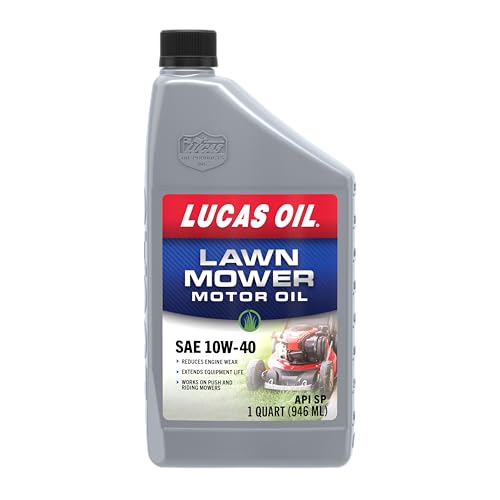
Product type: 4-cycle lawn mower oil; viscosity: SAE 10W-40. Designed to reduce engine wear and extend equipment life, with suitability for push and riding mowers. Best for: hotter climates or high-load mowing where a slightly thicker oil can help manage higher temperatures. Caution: 10W-40 may be excessive in very cold conditions if your manual recommends lighter viscosity.
Lucas Oil 11313 SAE 10W-30 Lawn Mower Oil
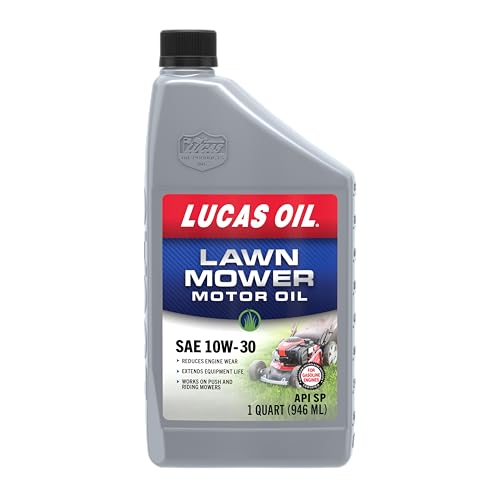
Product type: 4-cycle lawn mower oil; viscosity: SAE 10W-30. Reduces engine wear and extends equipment life, suitable for both push and riding mowers. Best for: standard seasonal mowing where 10W-30 provides adequate protection. Caution: Ensure compatibility with your engine’s preferred viscosity, especially in extreme cold.
Lawn-Boy 89885 Premium Lawn Mower Oil, 20-Ounce
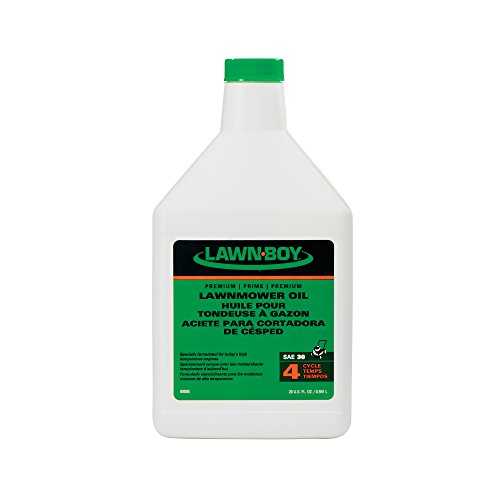
Product type: 4-cycle engine oil; designed for high-temperature engines. It provides cooling, cleaning, and sealing of internal moving parts and requires no additional additives. Best for: Lawn-Boy and similar 4-cycle engines that benefit from a dedicated, all-in-one formulation. Caution: Bottle size is 20 oz—verify you have enough oil for your mower’s capacity before purchasing in isolation.
Buying Guide: Key Considerations For Self Propelled Mowers
- Engine type and viscosity: Most self-propelled mowers use 4-stroke engines. Verify that the oil viscosity matches the mower’s manual recommendations (common choices are 10W-30 and 10W-40).
- Climate and temperature: All-weather oils help starts in cold weather but some engines benefit from higher-viscosity oil in hot conditions to reduce wear and heat buildup.
- Oil type: Synthetic blend oils offer better protection in extreme temperatures and longer intervals between changes, while conventional oils are usually cheaper.
- Maintenance interval: Some brands recommend more frequent changes depending on usage. Always follow the mower manufacturer’s guidelines.
- Pack value vs. single bottle: If you own multiple small engines, a multi-pack may reduce cost per bottle and simplify inventory management.
- Compatibility: Ensure the oil you choose is labeled for small engines and 4-cycle lawn mower use. Avoid 2-cycle oils unless your mower explicitly requires a mixed-fuel lubricant.
Frequently Asked Questions
- What viscosity should I use for a self-propelled mower?
Usually SAE 10W-30 or 10W-40, depending on your climate and mower manual. Use the viscosity recommended by the manufacturer.
- Can I use car engine oil in a lawn mower?
Not recommended. Lawn mower engines often require small-engine oils with specific additives and viscosity suitable for air-cooled engines.
- Is synthetic blend better than conventional oil for mowers?
Yes, synthetic blends typically offer better high-temperature stability and longer life, which can be beneficial for frequent use.
- How often should I change mower oil?
Follow the mower’s operator manual, but many owners change oil annually or after every 25-50 hours of use, whichever comes first.
- Can I use the same oil in a push mower and a riding mower?
Yes, if both engines use the same oil specification (viscosity and type) recommended by their manufacturers.
- What if I use a multi-pack oil and one bottle runs out?
Keep track of usage and replace with the same specification to maintain consistent protection across engines.