Looking for effective, plant-friendly bug repellents for your garden or houseplants? This guide highlights five organic options that help control common pests while staying gentle on people, pets, and the environment. Each product targets common threats like aphids, spider mites, gnats, and thrips, and is suited to different growing setups—from indoor planters to outdoor vegetable patches. Use the table below to compare at a glance, then read detailed sections to understand who each product is best for and why.
| Product | Brand | Best For |
|---|---|---|
| Mighty Mint Peppermint Oil Plant Protection Spray | Mighty Mint | Indoor and outdoor plants; peppermint-oil based deterrent |
| Bonide Captain Jack’s Insecticidal Super Soap | Bonide | Outdoor gardens and greenhouses; direct-contact insect control |
| BioAdvanced Organics Tomato, Vegetable & Fruit Plant Bug Spray | Bayer Advanced | Edible crops and ornamentals; fast contact kill |
| Trifecta Crop Control Ready to Use | Trifecta | All-purpose garden and houseplants; broad-spectrum pest & fungus control |
| Natria Neem Oil Spray | Natria | Houseplants and home gardens; insect, mite, and powdery mildew control |
Mighty Mint Peppermint Oil Plant Protection Spray

This plant-based spray uses peppermint oil to deter common pests such as gnats, spider mites, and aphids, while supporting healthier plants. It is designed to be safe when used as directed around people and pets. Best for gardeners seeking a natural, aromatic deterrent with minimal chemical exposure for both indoor and outdoor use. A limitation is that peppermint-based formulas may require more frequent reapplication in hot, sunny conditions and after rainfall.
Who it’s best for: Home gardeners or apartment plant owners who want a safe, plant-friendly option without harsh chemicals. Choose this if you prefer a peppermint-based solution with broad deterrence against several pests.
Bonide Captain Jack’s Insecticidal Super Soap

This ready-to-use insecticidal soap tackles a broad range of pests including adelgids, aphids, caterpillars, spider mites, and more. It is designed for outdoor residential use on vegetables, ornamentals, herbs, and fruit crops, making it a versatile choice for patios, gardens, and greenhouses. It works by contact and can also affect feeding insects when they ingest treated leaf surfaces. Caution: avoid applying under direct sunlight to minimize leaf burn on sensitive plants.
Who it’s best for: Gardeners managing outdoor beds or containers who want a straightforward, contact-based solution that does not require mixing. Choose this if you need a broad, ready-to-use soap that covers many pest types.
BioAdvanced Organics Tomato, Vegetable & Fruit Plant Bug Spray
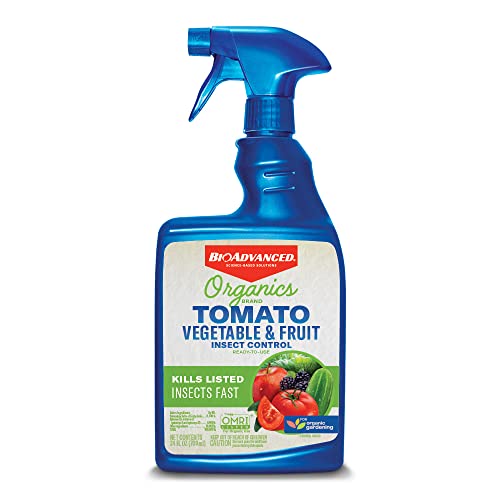
This ready-to-use spray targets listed insects by contact, helping protect edible crops such as tomatoes, vegetables, and fruits. It is aimed at curative control for issues like aphids, caterpillars, mealybugs, and spider mites, and is designed for use on outdoor container-grown plants and other edibles. It emphasizes protection of edible crops while minimizing chemical residues. Limitation: effectiveness is often contingent on thorough coverage and may require reapplication after rain or irrigation.
Who it’s best for: Gardeners growing edibles who want a fast-acting solution that protects vegetables and fruit crops. Choose this if you need a broad-spectrum product with curative capabilities for listed pests on edible plants.
Trifecta Crop Control Ready to Use
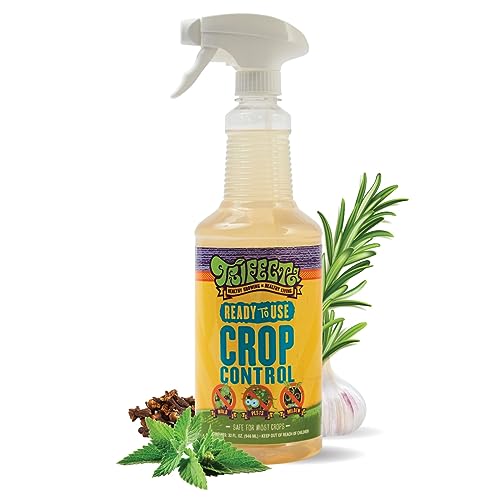
Trifecta Crop Control combines an all-natural, plant-based formula to combat spider mites, aphids, whiteflies, fungus gnats, and other soft-bodied pests. It doubles as a fungicide to address powdery mildew and related diseases, offering coverage for both indoor and outdoor plants. It is designed to dry quickly with no residues, making it suitable for homes, gardens, and growing operations seeking an eco-friendly option. Limitation: as a multi-purpose solution, it may be less specialized for any single pest compared to targeted products.
Who it’s best for: Gardeners needing a broad-spectrum, eco-friendly spray that addresses both pests and fungal issues. Choose this if you want a single product capable of managing multiple threats in diverse settings.
Natria Neem Oil Spray

Natria Neem Oil Spray acts as both an insecticide and a fungicide, designed for houseplants and home gardens. It controls a wide range of insects and mites, including aphids, whiteflies, and spider mites, while also helping prevent powdery mildew and other diseases. It requires no mixing and is ready to use. Limitation: Neem oil can be less effective against eggs or certain pests in some conditions and may have a slower action compared to harsher products.
Who it’s best for: Indoor plant enthusiasts and homeowners seeking a versatile oil-based option that also provides disease control. Choose this if you want a dual-action spray for both pests and fungal issues with minimal preparation.
Buying Guide
Key considerations when choosing an organic bug repellent for plants:
- Target pests: Identify the most common pests in your space—gnats, aphids, mites, or whiteflies—and choose a formula tailored to those threats.
- Plant safety: Look for products labeled safe for edible plants if you’re growing vegetables or herbs. Apply according to directions to minimize risk to beneficial organisms.
- Indoor vs outdoor use: Some formulas are optimized for indoor houseplants, while others are designed for outdoor gardens and greenhouses. Consider where you’ll spray and how often.
- Mode of action: Contact sprays kill pests on contact; systemic or oil-based products may deter or smother pests. Mixed formulations can provide broader protection but may require more careful application.
- Reapplication and weather: Organic sprays often require more frequent applications after rain or irrigation. Follow recommended intervals to maintain protection.
- Safety and scent: Peppermint and neem-based products have distinct scents and may affect indoor air quality or sensitive pets. Use in well-ventilated areas as directed.
Practical tips for effective use
- Test on a small leaf area before broad application to check for phytotoxicity.
- Spray during the cooler parts of the day to minimize leaf burn and improve absorption.
- Focus on undersides of leaves and the crown of the plant where pests commonly congregate.
- Rotate products if pests develop tolerance or persist after an initial treatment.
Frequently asked questions
- What is the safest organic bug repellent for edible plants? Look for products labeled for organic gardening and edible crops; neem oil and soap-based sprays are commonly used for edibles when applied as directed.
- Do organic sprays kill pests on contact or prevent them? Some act primarily by contact, while others deter or provide brief protective barriers. Read the label for the specific mode of action.
- Can I use these products indoors with pets? Many are formulated to be pet-safe when used as directed, but always follow the product’s safety instructions and ensure good ventilation.
- How often should I reapply? Reapplication frequency depends on the product, weather, and infestation level. Follow the label’s recommended intervals.
- Should I mix multiple products? Generally, avoid mixing unless the manufacturer explicitly states compatibility. Use one product at a time to monitor effectiveness and potential phytotoxicity.
- Are these products safe for beneficial insects? Some products are more selective than others. If you rely on beneficials like ladybugs, use milder formulations and target specific pests when possible.