Organic fertilizer for potted plants helps you feed containers safely while supporting soil health. This guide highlights top options that are well-suited for indoor pots, outdoor containers, and mixed plant setups. The best picks are ideal for new gardeners, busy households, and those seeking low-burn, plant-based nutrients. Below, you’ll find concise product insights, who each product is best for, and practical buying considerations.
Summary table of selected products
- Miracle-Gro Organic Plant Food (32 oz) — Best all-around for containers and in-ground beds.
- FoxFarm Big Bloom Liquid Plant Food — Best for flowering and fruiting plants.
- Organic Plant Magic All-Purpose Concentrate — Best value and ease for many plant types.
- Burpee Natural Purpose Granular 4-Lb — Best for long-lasting, OMRI-listed use.
- Espoma Organic Indoor Plant Food (8 oz) — Best for indoor houseplants and pet-friendly homes.
Miracle-Gro Organic Plant Food For All Plants

This organic liquid fertilizer is derived from plant-based ingredients and is suitable for indoor containers, outdoor containers, and in-ground gardens. It feeds plants instantly when used as directed and is OMRI-listed, supporting a broad range of plant types. Best for busy households seeking quick, plant-based nourishment without synthetic chemicals.
Best for: Container gardeners who want a versatile, ready-to-use organic feed that works across indoor and outdoor setups. A good choice for beginners seeking a straightforward feeding routine.
Caution: Avoid over-fertilizing; follow labeled directions to prevent nutrient buildup in sensitive pots. Some plants may respond better to slower-acting feeds in very small pots.
FoxFarm Big Bloom Liquid Plant Food

Big Bloom is designed to support all growth stages with a blend that includes earthworm castings and bat guano. The nutrient mix promotes flowering and fruiting, and the liquid format allows quick uptake for rapid results. This product is best for gardeners prioritizing blooms and vibrant flowers.
Best for: Flowering and fruiting plants needing a nutrient boost at various growth stages. Better for growers focusing on bloom intensity and color.
Limitation: The product’s mineral balance is geared toward flowering; for heavy vegetative growth in non-flowering crops, you may want a complementary feed.
Organic Plant Magic All-Purpose Fertilizer Concentrate
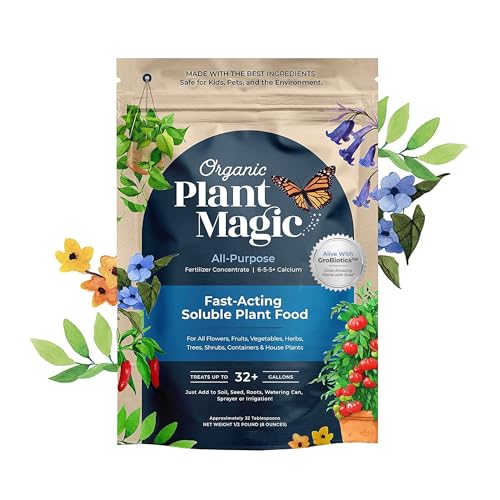
This water-soluble concentrate is 100% organic and designed for indoor and outdoor use. It makes up to 32+ gallons of plant food and is suitable for houseplants, vegetables, herbs, flowers, fruit trees, and more. It emphasizes safe, burn-free feeding with simple mixing and dosing.
Best for: Homes seeking a single, versatile feed that covers many plant types with minimal risk of tissue damage. Easy for DIY nutrient solutions and mixed plant setups.
Caution: Concentrate requires correct dilution; improper mixing can lead to uneven feeding or nutrient imbalances in sensitive plants.
Burpee Organic Granular 4-Lb Plant Food

Burpee’s granular formula provides OMRI-listed, organic nutrition with a long-lasting release (up to 3 months). It supports vegetables, flowers, herbs, and containers, releasing essential nutrients and minor elements to sustain growth and blooms. Easy to apply and effective for mixed plant beds.
Best for: Gardeners seeking a long-lasting, all-purpose granular feed for outdoor gardens and container mixes. Good for seed starting and ongoing plant care across seasons.
Limitation: Granules require even application for even results; hotspots can occur with uneven distribution in large pots or dense plantings.
Espoma Organic Indoor Plant Food
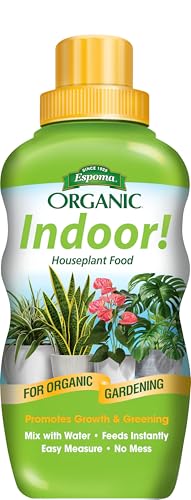
This 8-ounce concentrate targets indoor plants with an organic nutrient profile designed for safe, pet-friendly homes. The recommended use is simple: half a cap per quart of water, drenched into the soil every 2-4 weeks. It provides essential nutrients to support houseplant health and growth.
Best for: Indoor gardeners who prioritize kid- and pet-friendly products while keeping houseplants healthy. Suitable for pothos, fiddle-leaf figs, monstera, and palms in containers.
Caution: Do not overwater after feeding; ensure soil moisture is appropriate to avoid nutrient runoff or root stress in very small pots.
Buying Guide: Organic Fertilizers For Potted Plants
What should you consider when selecting an organic fertilizer for pots?
- Plant type and growth stage: Choose feeds that match your dominant plants (flowering vs. foliage, fruiting vs. vegetative).
- Form and application: Liquids offer quick uptake; granules provide longer-lasting feeding; concentrates are cost-effective but require accurate dilution.
- OMRI listing and safety: OMRI-listed products are approved for organic gardening and tend to be gentler on soil biology.
- Container size and soil health: Smaller pots may need lighter feeding to prevent salt buildup; larger containers benefit from slower, steady nutrition.
- Indoor vs. outdoor use: Indoor-focused formulas are often balanced to reduce odor and risk of spills; outdoor blends may support broader soil ecosystems.
- Environmental impact: Plant-based ingredients support soil microbes and soil structure, boosting long-term plant resilience.
Frequently Asked Questions
- What is the best organic fertilizer for beginners with potted plants?
An all-purpose, plant-based liquid or concentrate that is easy to mix and safe for a range of plants, such as Organic Plant Magic or Espoma Indoor Plant Food, is suitable for beginners.
- Do organic fertilizers burn plants in pots?
Used as directed, organic feeds are generally gentler than synthetic options, but over-fertilizing or concentrated applications can cause burn in small pots.
- How often should I fertilize potted plants?
Indoor plants typically benefit from feeding every 2–4 weeks; outdoor container plants may require more frequent feeding during peak growth, depending on pot size and plant type.
- Is OMRI listing important for potted plant fertilizers?
OMRI listing confirms organic compliance, which is important for organic gardening standards and can indicate a gentler, soil-friendly formula.
- Should I mix a fertilizer into watering water or apply as granules?
Liquid feeds mix with water for immediate uptake; granules are applied to soil and released over time. Choose based on your routine and plant needs.
- Are organic options safe for pets and kids?
Many are designed to be safer when used as directed. Always follow label instructions and keep fertilizers out of reach of children and animals.