For lettuce growers, choosing organic hydroponic nutrients that support leafy greens without leaving residues is essential. The following five products are selected for their suitability to lettuce systems, ease of use, and clear nutrient delivery. They are best for home growers, hobbyists, and small-scale hydroponic setups aiming for crisp, flavorful heads with steady growth. The guide below explains who each product is best for and why it stands out.
Summary table of chosen products:
| Product | Best For | Key Benefit | Type |
|---|---|---|---|
| Nature’s Way Soil Organic Hydroponic Nutrients (32 oz) | Organic-to-hydroponic lettuce systems | Living biology and fermented duckweed for balanced growth | Organic liquid concentrate |
| TPS NUTRIENTS One Part Complete Liquid Plant Food (8 oz) | Hydroponic setups seeking simple feeding | Balanced, hydroponic-specific nutrients | One-part liquid |
| FoxFarm Grow Big Hydroponic Plant Food (1 Pint) | Vegetative growth in hydroponics | Earthworm castings + micronutrients | Liquid concentrate |
| VIVOSUN Liquid Nutrients Base A & B Bundle | All-purpose hydroponics from veg to bloom | Two-part formula with macro/micronutrients | Two-part liquid |
| ALIINKD Hydroponics Nutrients A&B (1000ml total) | All hydroponic systems and potted plants | Essential micronutrients in compatible mix | Two-part liquid |
Nature’s Way Soil Organic Hydroponic Nutrients
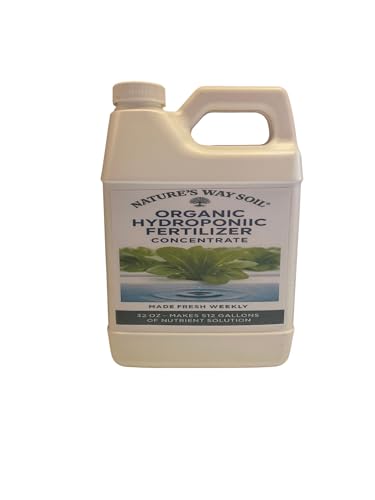
Best for lettuce growers seeking living biology and a kelp/duckweed blend. The product is designed to work in hydroponic water solutions while delivering organic nutrients. It’s suited for systems that can dilute a ready-to-use concentrate and incorporate fermented ingredients.
Who this is for: home gardeners and small farms prioritizing organic inputs and soil-like biology in hydroponics. Why selected: its organic formulation supports leafy growth with a focus on balanced feeding. Caution: as with any organic blend, expect variability in nutrient availability depending on water quality and system type.
Nature’s Way Soil Organic Nutrients (Liquid Concentrate)

Best for lettuce grown in water solutions that benefit from worm-castings and fermented plant extracts. This product is billed as a complete liquid feed with living biology and kelp-based nutrients, suitable for hydroponic and soil-like environments alike.
Who this is for: growers wanting an organic path with active biology. Why selected: it supports consistent feeding while offering a cost-per-bottle advantage at scale. Caution: dilution rates may vary by system, so follow guidance for your setup.
TPS NUTRIENTS One Part Complete Liquid Plant Food

Best for AeroGarden and similar units needing a balanced, indoor hydroponic feed. It focuses on root development and steady plant growth with a balanced nutrient profile. The one-part formulation makes dosing straightforward for beginners.
Who this is for: beginners and compact systems. Why selected: simple use with stable results. Caution: may require additional micronutrients for some lettuce varieties; monitor growth and adjust as needed.
HiThrive 32 oz Liquid Plant Food

Best for continuous hydroponic systems requiring a consistent feeding schedule. The product emphasizes a 4-3-6 NPK ratio with micronutrients, suitable for steady vegetative growth and healthy root systems in lettuce cultivation.
Who this is for: growers seeking a reliable, repeatable feeding routine. Why selected: compatible with both indoor and outdoor hydroponics and simple to schedule. Caution: check compatibility with any soil-based amendments if used in mixed beds.
VIVOSUN Liquid Nutrients Base A & B Bundle

Best for a complete two-part system supporting vegetative and flowering stages in hydroponics. The set includes macro- and micronutrients designed to stabilize pH and improve nutrient uptake, with an emphasis on rapid growth in lettuce.
Who this is for: growers wanting a comprehensive two-part formula. Why selected: widely compatible with hydroponic setups and designed to boost overall growth. Caution: ensure proper mixing of A and B to avoid in-solution precipitation or imbalance.
ALIINKD Hydroponics Nutrients A&B

Best for all hydroponic systems and potted plants needing a reliable A&B blend. The kit comprises 1000 ml total and emphasizes compatibility with various growing mediums while delivering essential macro- and micronutrients.
Who this is for: flexible growers with multiple plant types. Why selected: broad compatibility and straightforward two-part dosing. Caution: verify that the product meets local organic labeling expectations if organic certification is required for a specific lettuce variety.
Buying Guide: Key Purchase Considerations
What should you look for when choosing organic hydroponic nutrients for lettuce?
- Organic versus synthetic balance: Decide if you need fully organic inputs or a blend that includes mineral nutrients. Lettuce benefits from balanced nitrogen and micronutrients for leaf quality.
- NPK and micronutrients: Look for a nutrient mix close to 4-3-6 or similar for greens, with essential micronutrients (Mg, Ca, Fe, Mn, Zn, Cu).
- System compatibility: Ensure the formula is suitable for your setup (DWC, Ebb/Flow, drip, aero). Some brands note AeroGarden or hydroponic-specific design.
- Two-part versus one-part: Two-part systems help prevent overfeeding and allow fine-tuning, but one-part formulas are simpler for beginners.
- Biological content: Organic blends with kelp, worm castings, or fermented extracts can improve root resilience and microbe activity, but may require more monitoring.
- Ease of use: Consider measurement simplicity, dilution guidance, and whether the product scales with your garden.
- Cost per feeding: Compare bottle size against feedings to estimate ongoing costs for lettuce production.
Practical tips for lettuce growers
- Start with a conservative feeding rate and observe leaf color and growth rate over 1–2 weeks.
- Keep an eye on pH and EC values, especially when using organic inputs that can fluctuate.
- Rotate nutrients if you see slow growth or chlorosis in new leaves, ensuring micronutrient availability.
Frequently Asked Questions
- What makes a nutrient suitable for lettuce in hydroponics? Answer: The formula should provide balanced nitrogen for leafy growth, essential micronutrients, and compatibility with your hydro system.
- Are organic hydroponic nutrients better for lettuce flavor? Answer: They can be, due to gentler feeding and microbial activity, but results vary by cultivar and system management.
- Is a two-part nutrient always necessary for lettuce? Answer: Not always; for beginners a one-part might suffice, but two-part systems offer finer control for optimization.
- Can I mix fertilizers from different brands? Answer: Mixing is possible but should be done cautiously to maintain balanced nutrition and avoid pH shifts.
- How do I know if my lettuce is getting too much feed? Answer: Look for leaf burn, tip necrosis, or accelerated salt buildup; dilute feeding or flush as needed.
- Should I use organic nutrients in soil-based terraces and hydroponics alike? Answer: Yes, if the goal is to maintain organic inputs, but ensure compatibility with your growing medium and system.