Answering your search for organic garden seeds, this guide highlights five top picks that emphasize non-GMO, heirloom, and organic practices. These selections are well-suited for different gardener types, from beginners building a starter plot to seasoned growers planning a diverse container or in-ground garden. Each product is evaluated for germination potential, variety, and practical use in home gardens. A quick summary table below helps you compare core details at a glance.
| Product | Best For | Why It Stands Out |
|---|---|---|
| Back to the Roots 100% Heirloom Rescued Seeds | Eco-conscious planners | Surplus seeds with guaranteed germination; diverse, ever-changing mix |
| 55 Vegetable Seeds Variety Pack – Organo Republic | Comprehensive vegetable garden | 55 varieties, high germination, packed in waterproof bags |
| Sereniseed Organic Herb Seeds (10-Pack) | Herb-focused gardeners | Certified organic, non-GMO, open-pollinated |
| Gardeners Basics Survival Vegetable Seeds Kit | Emergency preparedness or starter garden | Over 16,000 seeds, 35 varieties, USA-sourced |
| Sereniseed Organic Vegetable Seeds (30-Pack) | Outdoor and indoor veggie growing | 30 varieties, open-pollinated, organic |
Back to the Roots 100% Heirloom Rescued Seeds
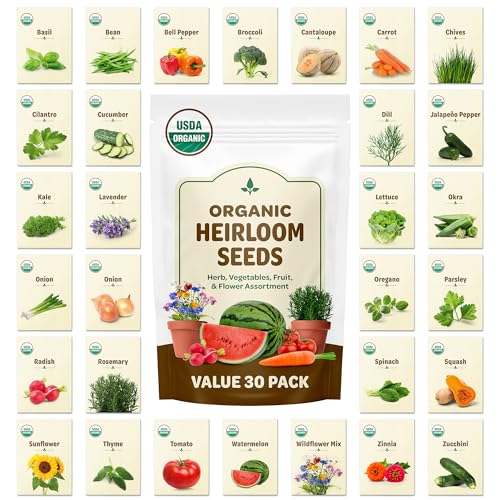
Best for eco-conscious growers who want to minimize waste. These 100% heirloom organic and non-GMO seeds come from surplus inventory and are still guaranteed to germinate. The assortment varies, providing a mix of herbs, vegetables, and flowers that support biodiversity in your garden. Use this pack to start a diverse, low-waste planting project.
Who it’s best for: beginners who want a low-cost entry with a guaranteed germination test and a surprise mix that keeps gardening exciting. Limitations: exact seed substitutions may occur, and the assortment varies between orders.
55 Vegetable Seeds Variety Pack

Best for a broad vegetable garden with high germination. This pack includes 55 varieties and over 35,000 seeds in a waterproof bag, plus QR-guided growing resources. It’s ideal for gardeners who want a full-season crop plan with options for indoor or outdoor spaces. Caution: the pack includes a wide mix, so not every seed will align with your climate; plan accordingly.
Who it’s best for: those seeking a comprehensive garden kit that covers a large number of vegetables and convenience features like a growing guide. Why selected: high seed count, diverse varieties, and protective packaging.
Sereniseed Certified Organic Herb Seeds (10-Pack)

Best for herb-focused kitchens and small-space herb gardens. This 10-pack is USDA Certified Organic by Oregon Tilth and features non-GMO, open-pollinated varieties. The seed mix supports culinary and medicinal uses, making it a practical choice for flavor-driven gardening. Limitation: 10 varieties may require careful planning for succession planting.
Who it’s best for: cooks and gardeners who want reliable, organic herbs for fresh meals. Why selected: certified organic, open-pollinated, and dependable for year-round herb growing.
Gardeners Basics Survival Vegetable Seeds Kit
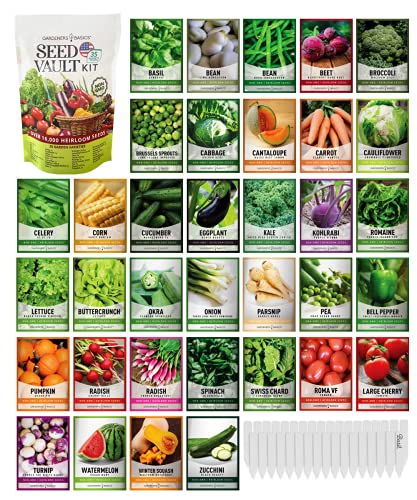
Best for emergency preparedness and a robust starter garden. The kit includes 35 vegetable varieties and over 16,000 seeds, all non-GMO and heirloom. Seeds come in professional seed packets to minimize mold and simplify storage. This option is suited to outdoor or hydroponic setups and is designed for long-term storage and reliability. Caution: heavier emphasis on quantity may overwhelm limited spaces.
Who it’s best for: families and preppers seeking a broad, ready-to-grow selection with practical storage and instructions. Why selected: large seed count, non-GMO, and USA-sourced packaging.
Sereniseed Organic Vegetable Seeds (30-Pack)

Best for versatile outdoor gardens that need a reliable mix of open-pollinated vegetables. The 30-pack offers a balanced selection of staples like tomato, lettuce, cucumber, bean, broccoli, and more, all certified organic and non-GMO. Ideal for gardeners seeking a steady harvest with straightforward planting. Caution: open-pollinated varieties require rotation and pest management planning.
Who it’s best for: gardeners who want a curated, large-capacity vegetable seed lineup that covers the core garden staples. Why selected: strong organic credentials, open-pollinated diversity, and value for money.
Buying Guide: Key Purchase Considerations
- Germination Guarantee: Look for seeds tested for germination and labeled organic or heirloom for reliability in home gardens.
- Seed Count and Variety: Decide between large variety packs for experimentation or focused herb/vegetable kits for specific culinary goals.
- Seed Packaging: Resealable, moisture-proof packaging helps preserve viability, especially in humid climates.
- Open-Pollinated vs Hybrid: Open-pollinated seeds can be saved for future seasons; hybrids may offer uniform traits but are not always seed-saving friendly.
- Climate Compatibility: Choose varieties suited to your growing zone, sunlight, and typical seasonal temps.
- Storage and Longevity: Store seeds in a cool, dry place; check recommended shelf life for best results.
- Grocery-Ready Guides: QR codes or online growing guides can aid beginners with germination and care steps.
FAQ
- What does “organic seeds” guarantee? Organic seeds are produced without synthetic pesticides or fertilizers and often carry organic certification from a recognized body.
- Are heirloom seeds better for beginners? Heirloom seeds offer diverse flavors and traits but may require more careful selection and soil conditions than some hybrids.
- Can I save seeds from an open-pollinated pack? Yes, open-pollinated seeds retain their traits and can be saved for future seasons with proper drying and storage.
- How should I store seeds for long-term viability? Keep seeds in a cool, dry, and dark place, ideally in airtight containers or Mylar bags with a desiccant.
- Is non-GMO always organic? Not always. Non-GMO means the seeds aren’t genetically modified, but organic certification also requires farming practices free of synthetic inputs.
- What’s the best way to choose varieties for a small space? Prioritize compact or dwarf varieties, microgreens, or herbs, and consider vertical gardening or container options.