Looking for organic spray options to protect vegetables from pests and diseases? This guide highlights five practical choices for American gardeners who want safe, plant-friendly solutions that work. Each product targets common garden pests or diseases and is suited to edible crops. Read on to learn who each spray is best for, along with clear reasons to choose—or avoid—each option.
Buying at a glance: the following table compares the featured products by use case, best crops, and main benefits.
| Product | Best For | Main Benefit | Notes |
|---|---|---|---|
| BioAdvanced Organics Brand Tomato, Vegetable & Fruit Plant Bug Spray | Vegetables and fruit edibles | Fast contact kill on aphids, caterpillars, spider mites | Powdery mildew curative claim |
| Bonide Neem Oil 32 oz | Overall pest control & disease | Three-in-one fungicide, miticide, insecticide | Ready to use, effective across life stages |
| Trifecta Crop Control 32 oz | Edibles and ornamentals | All-natural, plant-based pest control and fungicide | Biodegradable, safe for edible crops |
| Earth’s Ally 32 oz | Organic veggie patches & indoor/outdoor use | 3-in-1 oil blend for pests and diseases | Powdery mildew and aphid control |
| Natria Neem Oil 24 oz | Houseplants and home gardens | Kills insects and controls powdery mildew | Ready-to-use spray |
BioAdvanced Organics Brand Tomato, Vegetable & Fruit Plant Bug Spray
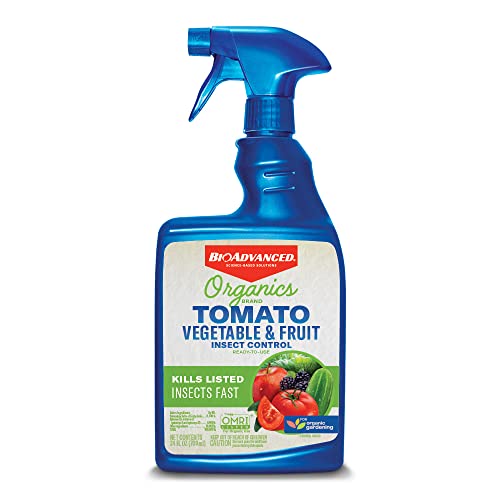
This ready-to-use spray targets common edibles pests on vegetables, fruit, and nuts. It’s designed for fast contact kill against aphids, caterpillars, mealybugs, spider mites, and other listed pests. It also claims curative control of powdery mildew, making it a two-in-one option for some crops. Best for gardeners who want a single spray for multiple pests and a quick edge against fungal issues on tomatoes and other edibles.
Who it’s best for: home vegetable and fruit gardeners seeking an all-in-one spray for pest removal and mildew care. Why selected: it delivers rapid contact control and broad coverage for edible plants. Caution: effectiveness varies with spray coverage and thorough leaf contact; follow label directions for best results.
Bonide Captain Jack’s Neem Oil 32 oz
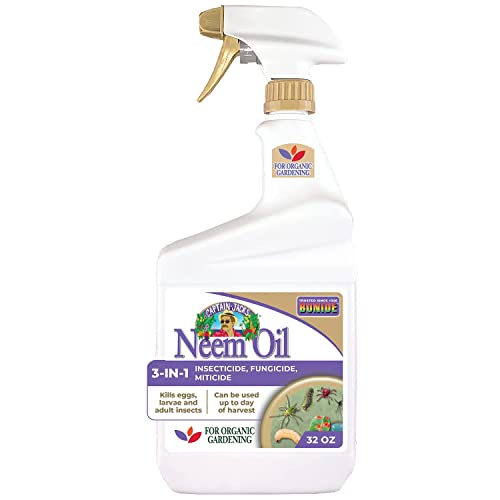
Neem oil is a versatile, multi-purpose option that functions as a fungicide, miticide, and insecticide. This ready-to-use spray is designed to control mites, mildew, and other common garden pests. It works across life stages of many insects, making it a reliable choice for ongoing pest pressure in vegetable patches. Best for: gardeners who want a single solution that also helps curb fungal problems. Choose this if you prefer a broad-spectrum option with easy application. Limitation: neem oil can reduce beneficial insect activity if overused or applied in sunny conditions.
Trifecta Crop Control Ready to Use 32 OZ
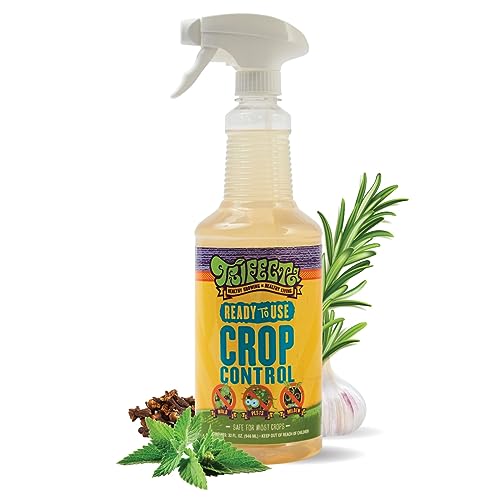
Trifecta Crop Control combines insecticide, fungicide, and miticide in one all-natural formula. It targets spider mites, aphids, whiteflies, fungus gnats, and other soft-bodied pests while remaining safe for edible crops with a biodegradable, plant-based approach. Best for: gardeners who prefer an eco-friendly, broad-spectrum control that minimizes chemical residues. Better for: situations requiring multiple pest and disease management without resorting to synthetic products. Limitation: as an all-natural formula, it may require more frequent applications in heavy infestation areas.
Earth’s Ally 3-in-1 Plant Spray

This organic spray blends botanical oils into an all-in-one insecticide, miticide, and fungicide. It effectively controls pests such as spider mites, aphids, whiteflies, and mealybugs while also addressing powdery mildew and other diseases. Best for: gardeners seeking a pollinator-safe option that can be used both indoors and outdoors. Choose this if you want a spray that doubles as a disease preventer. Caution: some users may notice stronger odor from botanical oils; consider spray timing to minimize odor exposure.
Natria Neem Oil Spray

Natria Neem Oil Spray combines insecticidal and fungicidal action in one ready-to-use product. It targets aphids, whiteflies, spider mites, Japanese beetles, scales, and other listed pests, while also helping prevent powdery mildew and related diseases. Best for: gardeners who want a simple, ready-to-use option that covers both pest and disease control. Limitation: neem oil performance can be temperature- and sun-sensitive; apply during cooler parts of the day to reduce leaf burn risk.
Buying Guide: Key Considerations For Organic Sprays
What should you evaluate when choosing an organic spray for a vegetable garden?
- Target pests and diseases: Match the product’s claims to your pest pressure (aphids, mites, powdery mildew, etc.).
- Edible crops: Ensure the spray is labeled safe for use on vegetables and fruit plants and note any pre-harvest intervals.
- Mode of action: Decide between contact sprays (rapid kill on contact) versus systemic or preventative options (prevents spread).
- Application timing: Some products perform best in cool, early-morning or late-evening conditions to minimize leaf burn and protect pollinators.
- Frequency and coverage: All-natural formulas may require more frequent applications; ensure thorough coverage of affected plant parts.
- Environmental safety: Consider pollinator safety, beneficial insects, and proximity to water sources.
Which option should you choose?
For rapid suppression of multiple pests on a vegetable patch, BioAdvanced and Bonide Neem Oil offer broad coverage with straightforward application. If you prefer an all-natural, plant-based solution with a focus on edible crops, Trifecta Crop Control and Earth’s Ally provide strong options, while Natria Neem Oil delivers ready-to-use convenience for home gardens and houseplants alike. Always start with a targeted spray to limit non-target effects and follow label directions closely.
FAQ
- Are organic sprays safe for vegetables? Yes, when applied as directed, many organic sprays are formulated for use on vegetables and fruit crops. Always check the label for edible-use guidelines.
- How often should I spray? Frequency depends on the product and pest pressure. All-natural blends may require more frequent applications during peak pest seasons.
- Will these sprays harm pollinators? Some products are designed to minimize pollinator risk when used as directed. Apply during cooler parts of the day and avoid flowering periods if possible.
- Can I spray on all plant parts? Most labels recommend spraying leaves, stems, and often undersides of leaves. Do not spray flowering parts if the label restricts it.
- Can I mix these sprays with other treatments? Mixing can alter effectiveness or cause plant injury. Follow label guidance or consult product-specific compatibility information.
- Are these sprays effective indoors as well? Some products are suitable for indoor use on houseplants, but always verify indoor-use instructions on the label before applying.