Looking for ornamental trees that thrive in USDA Zone 6 and add seasonal color? The following picks are well-suited for Zone 6 gardens, offering vibrant blooms, drought tolerance, and manageable sizes. This guide highlights five standout options with clear buyer-friendly notes. Each entry notes who it’s best for and why it’s a solid choice for Zone 6 landscapes.
Summary table of selected products:
| Product | Dimension Range | Best For | Notes |
|---|---|---|---|
| Tonto Crape Myrtle | 8–10 ft tall & wide | Small yards, privacy hedges | Fast-growing, vibrant dark watermelon red blooms |
| Electric Pink Passion Crape Myrtle | 6–8 ft tall & 6 ft wide | Specimen or hedges | Intense hot pink blooms |
| Cherry Blossom Tree (Double Pink) | 6–12 in pot height | Spring focal point | Fragrant, double-pink blossoms |
| Eastern Redbud Tree (Cercis Canadensis) | Varies by plant | Bold spring color near patios | Pink-purple blossoms in spring |
| Hopi Crape Myrtle | 8–10 ft tall & wide | Privacy screen, focal tree | Fragrant blooms, pollinator-friendly |
Tonto Crape Myrtle: Dense Dwarf Beauty For Small Spaces

The Tonto Crape Myrtle is a compact dwarf that reaches 8–10 ft tall and wide, making it ideal for small gardens or landscape borders where space is a premium. Its dark watermelon red blooms appear from summer into fall, delivering strong seasonal color against dark green foliage. Best for homeowners who want a fast-establishing shrub that doubles as a privacy hedge or focal point. A limitation is its compact size relative to standard crape myrtles, so expect a lower canopy height over time if pruning is aggressive.
Who it’s best for: homeowners with limited yard space seeking quick color and privacy in Zones 6–9 compatible climates.
Electric Pink Passion Crape Myrtle: Vivid Pink Dwarf For Hedge or Accent

The Electric Pink Passion Crape Myrtle is a compact dwarf that grows to about 6–8 ft tall and 6 ft wide. Its blooms are a striking hot pink and densely packed, delivering a bold color statement in any landscape. Foliage emerges with a reddish tint in spring, maturing to dark green. This variety is well suited for visual hedges or as a standout specimen tree. A potential limitation is that ultra-dense blooms may require occasional thinning to maintain air circulation around branches.
Who it’s best for: gardeners seeking a vivid pink accent or hedge plant in Zone 6 gardens without a large footprint.
Cherry Blossom Tree: Double Pink Spring Blooms In Pot
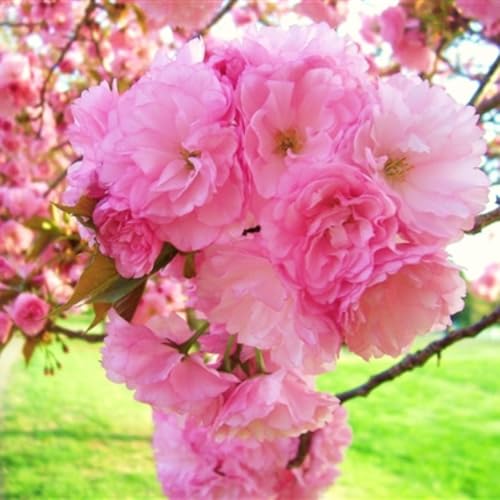
The Cherry Blossom Tree offers a live ornamental option with pink to white blooms in spring. Sold as a 6–12 inch tall plant in a pot, it is ideal for transitioning to outdoor planting in a Zone 6 yard after acclimation. This tree provides foundational spring color for gardens, patios, or decorative landscapes. A caution is that spring bloom timing is weather-dependent and trees are relatively small at purchase, requiring patient establishment and protection from late frosts.
Who it’s best for: those wanting an early-season splash of color and a compact, living focal point in Zone 6 spaces.
5 Eastern Redbud Tree: Bright Spring Color

The Eastern Redbud Tree from CZ Grain provides show-stopping pink-purple blossoms each spring. It is hardy across Zones 4–9 and thrives with minimal maintenance once established. Its compact form suits front yards, patios, and pollinator gardens. A limitation is that bloom timing can vary with local climate, and the tree benefits from full sun for best bloom production.
Who it’s best for: homeowners seeking bold spring color with broad zone tolerance and easy care for Zone 6 landscapes.
Cold Hardy Purple Pink Redbud Tree: Reliable Spring Color

The Cold Hardy Purple Pink Redbud is a resilient option for Zone 6 gardens and other temperate regions. It features vibrant purple-pink flowers in early spring, delivering strong curb appeal. It is best for landscapes where a mid-sized ornamental tree is desired, with some autumn color as the leaves mature. A caveat is that winter leaf absence is normal, which some buyers may misinterpret as lack of vitality.
Who it’s best for: gardeners wanting a reliable, winter-robust Redbud with vivid spring blooms in Zone 6.
Victor Crape Myrtle: Upright Dwarf With Cherry Red Blooms

The Victor Crape Myrtle is a compact dwarf with an upright, vase-like growth pattern. It matures around 6 ft tall by 4–6 ft wide, making it suitable for small landscapes. It showcases bright maraschino cherry red blooms from mid-summer into fall and adds autumn color to its foliage. A limitation is that its size remains compact, so it may require selective pruning to maintain the desired shape.
Who it’s best for: gardeners who want a bright, mid-sized focal point with extended bloom season and seasonal color shifts in Zone 6.
Hopi Crape Myrtle: Fragrant Dwarf With Prolific Blooms

The Hopi Crape Myrtle grows 8–10 ft tall and wide, offering an upright habit ideal for privacy hedges and garden focal points. Its blooms are bright pink and fragrant, attracting pollinators throughout spring to late fall. It thrives in full sun and various soils, though established plants require regular watering. Consider this option when you want fragrance and extended bloom in Zone 6 gardens.
Who it’s best for: buyers prioritizing fragrance, pollinator support, and a taller but compact ornamental tree in Zone 6.
Buying Guide: Key Purchase Considerations
What size works best in your space? Choose a tree with a mature size that fits the planting area and potential pruning needs. For small yards, compact crape myrtles like Tonto or Electric Pink Passion provide color without overwhelming space.
How much sun does your location receive? Most varieties prefer full sun for best bloom; some tolerate partial sun but may produce fewer flowers. Zone 6 gardens typically benefit from at least 6 hours of direct sunlight per day.
What is your primary goal? If you want spring color, redbuds and cherry blossoms deliver early-season impact. For extended summer color and privacy screens, crape myrtles offer long bloom periods and a vertical, tidy habit.
How important is fragrance or pollinator appeal? Hopi Crape Myrtle stands out for fragrance and pollinator visits, while redbuds attract bees and butterflies with their splashy blossoms.
Are there winter considerations? Redbuds and cherry blossoms may shed leaves in winter; that is normal for deciduous ornamentals and not a sign of poor health in Zone 6 climates.
FAQ
- Are these trees suitable for Zone 6 gardens? Yes, all selected varieties are suitable in Zone 6, with tolerance to cold winters and warm summers typical of the region.
- Which tree blooms the longest? Crape myrtles generally bloom from mid-summer through fall, offering an extended color display.
- Do these trees require a lot of maintenance? Most listed plants are low to moderate maintenance once established, with regular watering during establishment and routine pruning as needed.
- Can these trees tolerate partial shade? Many will tolerate partial sun, but bloom intensity decreases with shade; full sun is preferred for maximum flowering.
- Which is best for a small space? Tonto Crape Myrtle and Electric Pink Passion Crape Myrtle are particularly well suited to compact spaces while delivering strong color.
- Do these trees attract pollinators? Several options, including Hopi Crape Myrtle and Redbud varieties, attract bees and butterflies when in bloom.