If you’re looking to improve pond water quality naturally, oxygenating plants are a smart choice. They help keep the water clean, filter pollutants, and provide natural habitat for pond life. This guide highlights five top oxygenating plant options ideal for small to medium ponds and water gardens, including beginner-friendly picks and better-for-ethically-maintained ponds. Whether you’re stocking a koi pond, a freshwater water garden, or a balcony water feature, these plants support healthy oxygen levels and clearer water.
Who should consider these?
- Beginners seeking easy-to-care-for options that improve water quality.
- Owners of small to medium ponds wanting natural filtration and shade.
- Aquarists aiming to reduce nitrites, ammonia, and algae growth with aquatic vegetation.
Summary table of chosen products
| Product | Best For | Key Benefit |
|---|---|---|
| Oxygenating Plants Pack for Live Ponds or Aquariums | Small ponds and aquariums | 10 separate plant bunches for flexible planting |
| Marcus Hornwort Coontail Trio | Live-plant enthusiasts | Multiple stems, compact size |
| Chalily Anacharis Submerged Oxygenator | Beginner-friendly underwater oxygenator | Easy care, improves water clarity |
| AquaLeaf Water Hyacinth | Surface filtration and shade | Floating, fast-growing |
| Chalily Hyacinth Floating Pond Plants (3) | Great for beginners | Floating root systems for natural filtration |
Oxygenating Plants Pack for Live Ponds or Aquariums

Brand: Aquarium Plants Inc. These oxygenating plants help keep water clean by removing excess fish waste and food from ponds or aquariums. The pack includes 10 plant bunches that can be separated for individual planting, and Anacharis and Hornwort can be grown floating or submerged. Best for owners who want versatile planting options and a ready-to-install setup for small water features.
Who it’s best for: Small ponds and beginner setups seeking flexible placement and natural filtration. Why selected: The 10-bunch pack provides multiple planting options, enabling quick cover and effective surface-to-submerge filtration. Caution: Growth rate and efficiency vary with light and temperature, so results may differ seasonally.
Marcus Hornwort and Coontail Trio
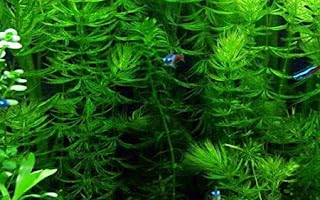
Brand: Marcus Fish Tanks. This listing provides three live hornwort coontail plants for submerged underwater growth. Size varies with live plants, typically 5-10 inches, and care notes warn about extreme temperatures in winter. Best for aquarists who want robust submerged oxygenators with a natural look.
Who it’s best for: Experienced hobbyists or hobbyists with controlled aquariums, seeking reliable submerged oxygenators. Why selected: The trio offers steady underwater oxygenation and habitat structure. Caution: Outdoor or seasonal temperature extremes can stress live plants; plan indoor or sheltered placement during cold spells.
Chalily Anacharis Submerged Oxygenator

Brand: Chalily. This submerged oxygenator is praised for being beginner-friendly and adaptable, with strong water-purifying benefits. Planting is simple: anchor in sediment or rocks or float freely. It helps reduce bacterial growth and supports water treatment systems.
Who it’s best for: New hobbyists and small water gardens seeking an easy-to-care-for submerged plant. Why selected: Easy care, strong filtration, and flexible anchoring make it a practical first choice. Caution: Growth speed depends on light; limit overcrowding to maintain water circulation.
AquaLeaf Water Hyacinth Floating Plant

Brand: AquaLeaf Aquatics. This floating plant provides natural filtration by increasing surface cover and reducing light penetration, which can help control algae. It offers shade and habitat, plus fast growth for effective filtration.
Who it’s best for: Ponds needing surface coverage and quick natural filtration. Why selected: Hyacinth’s rapid growth and floating roots create strong filtration and shelter. Caution: In some climates, hyacinths can be invasive or restricted; check local guidelines before purchase.
Chalily Hyacinth Floating Pond Plants (Three)

Brand: Chalily. This bundle includes three floating pond plants. Floating root systems enhance natural filtration and contribute to a healthy pond ecosystem. Easy for beginners and effective for water gardens and koi ponds.
Who it’s best for: Beginners and pond owners who want a simple, broad-floating filtration boost. Why selected: Floating hyacinths are prolific, requiring minimal care while delivering strong surface filtration. Caution: Some states restrict shipment of hyacinths—verify eligibility before ordering.
Buying Guide: Key Purchase Considerations
What type of pond do you have? Choose submerged oxygenators for deeper habitats and floating plants for surface filtration and shade. Consider your climate and seasonality. In warm months, submerged plants may grow rapidly; in cooler months, growth slows. Light availability matters: more light supports faster growth and filtration, while limited light reduces efficiency.
How many plants do you need? Start with a mix of 2–3 species to cover surface and depth zones. For small ponds, a combination of floating hyacinths and submerged anacharis can balance filtration and oxygenation. If you want quick visual impact, add a dense floating layer for shade and algae control.
Maintenance and safety: Some plants are sensitive to extreme temperatures; protect them from frost or heat waves. Check local regulations for floating plants that may be restricted in certain states. Ensure you have proper planting methods to avoid plant loss and maximize filtration benefits.
FAQ
- What plants are best for oxygenating ponds? Submerged oxygenators like Anacharis, hornwort, and coontail, plus floating plants like water hyacinth and hyacinth bundles provide strong natural filtration and oxygenation.
- Can I mix different plant types in one pond? Yes. A mixed approach supports both surface filtration and submerged oxygenation, improving overall water quality.
- Do these plants require special care? Most are beginner-friendly but require adequate light, appropriate temperature, and regular observation for growth and health.
- Are there any shipping restrictions? Some floating plants may be restricted in certain states; verify eligibility before purchase.
- How long does it take to see clearer water? Filtration effects start as plants establish but depend on light, temperature, and existing nutrient levels in the pond.
- What should I avoid when introducing pond plants? Avoid overcrowding, which reduces circulation, and place plants according to depth and light exposure to maximize benefits.