Pea gravel is a simple, effective choice for improving drainage, moisture retention, and visual appeal in plant setups. This guide highlights five practical options that suit indoor and outdoor displays, terrariums, and containers. It targets buyers seeking reliable drainage, pest deterrence, or attractive top-dressing for potted plants and mixed arrangements. The table below compares the featured products at a glance.
| Product | Best For | Size Range | Key Benefit |
|---|---|---|---|
| YISZM 2LB Succulent and Cactus Gravel Pebbles | Small containers, vases, terrariums | ≈1/5 inch | Drainage and decorative versatility |
| NUPICK 3 lbs Pebbles Indoor Plants | Top-dressing and moisture control | ≈3/8 inch | Long-lasting color, fade-resistant |
| NUPICK 3lb River Rocks for Plants Indoor | Bottom-layer drainage and visual interest | ≈3/8 inch | Natural look, easy to clean |
| Pulovin 2.5 lbs Drainage Rocks | Aquariums, terrariums, mixed displays | ≈1/5 inch | Versatile colors and sizes |
| GreatBuddy 10-lb Pebbles Indoor Plants | Uplifting large planters and terrariums | ≈3/8 inch | Waxed finish, long-lasting shine |
YISZM 2LB Succulent and Cactus Gravel Pebbles

Best for small containers and terrariums, these 1/5 inch stones provide excellent top-layer drainage and decorative appeal. They help prevent root rot when used on the surface and provide a polished look for vase displays and planters. Best for buyers who want a compact option that remains visually vibrant after water exposure. Caution: If used as the sole drainage layer, ensure adequate bottom drainage to avoid waterlogging.
NUPICK 3 lbs Pebbles Indoor Plants

Best for top and bottom placement in containers, these 3/8 inch pebbles offer a balanced blend of polish and practicality. They resist fading when washed and are designed to maintain color under watering. Choose this if you want durable color and a smooth surface that reduces dust. Limitation: Rinsing is recommended before first use to remove any surface dust.
NUPICK 3lb River Rocks for Plants Indoor

Best for a natural and mixed pebble look, these 3/8 inch stones are naturally polished with some surface texture. They are ideal for top-dressing or bottom-layer drainage, offering a balance of moisture retention and aeration. Best for buyers seeking a natural, varied appearance. Caution: Some pieces may have small surface cracks that do not affect performance.
Pulovin 2.5 lbs Drainage Rocks

Best for broader decorative use, these 1/5 inch stones come in multiple colors and sizes, making them suitable for aquariums, terrariums, and vase fillers. They are easy to rinse before use to remove dust. Choose this option if you want a versatile pack with varied color options. Limitation: Color variety can be slightly uneven across small batches.
GreatBuddy 10-lb Pebbles Indoor Plants
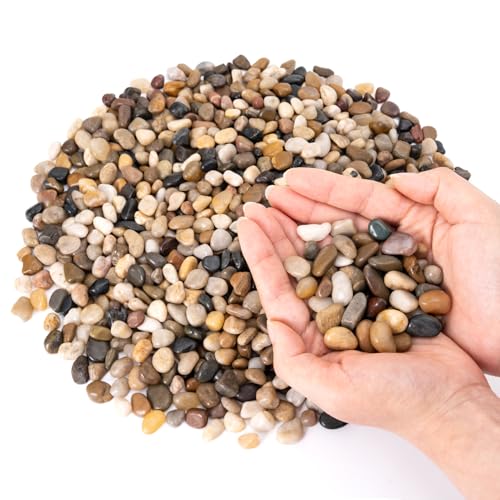
Best for larger planters or terrarium bases, these 3/8 inch stones are highly polished to boost color and durability. They act as mulch to help retain soil moisture and can be used in pebble trays for humidity. Best for buyers prioritizing long-lasting shine and a safer substrate with minimal dust. Caution: Excessively glossy surfaces may reflect more light, which some plants prefer in lower light setups.
GreatBuddy 5-lb Pebbles Indoor Plants
Best for mid-sized arrangements, these 3/8 inch pebbles provide a consistent surface for succulent displays or vase fillers. They are polished and free of fillers, oils, or dyes, helping maintain plant safety. Choose this if you need a reliable, uniform look with straightforward cleaning. Limitation: Slightly larger batches may require mixing to achieve an even distribution in small containers.
Rahato 2.5 lbs Small Rocks for Plants

Best for mixed-use in planters and terrariums, these 1/5 inch stones offer varied shapes for a natural feel. The stones support drainage and help protect roots by preventing soil erosion at the surface. Choose this if you want a diverse look with reliable functionality. Caution: Some shapes may be more rounded, affecting drainage in very small pots.
Buying Guide: Pea Gravel For Plants
- Size matters: Smaller pebbles (about 1/5 inch) are great for succulent pots, terrariums, and top-dressing. Medium pebbles (around 3/8 inch) suit larger containers and aquarium borders.
- Top-dress vs. drainage: Use top-dressing gravel to reduce soil splash and retain moisture at the surface. Use bottom drainage stones to promote aeration and prevent overwatering.
- Color and finish: Polished stones look vivid and clean but may reflect more light. Natural, lightly polished stones blend with most plant palettes and reduce dust.
- Safety and cleanliness: Rinse or wash gravel before first use to remove dust. Ensure any gravel in contact with edible plants is food-safe if applicable.
- Durability and maintenance: Long-lasting stones resist fading with moisture exposure. Consider color consistency across batches for a uniform look.
- Versatility: Choose stones that can be repurposed for vases, planters, walkways, or decorative accents beyond plant pots.
Frequently Asked Questions
- What size gravel is best for succulents? Answer: About 1/5 inch is commonly used for surface layering on succulents to aid drainage and prevent soil erosion.
- Can pea gravel improve drainage in potted plants? Answer: Yes. Layering gravel at the bottom enhances drainage and reduces the risk of root rot in containers with limited soil depth.
- Should gravel be washed before use? Answer: Yes. Rinse gravel to remove dust and debris before placing it in pots, terrariums, or aquariums.
- Is polished gravel safe for plants and pets? Answer: Generally safe when free of dyes and oils. Check product details for any coating information before use in edible plant setups.
- Can I use gravel in outdoor garden beds? Answer: Yes. Gravel can improve drainage in raised beds and under pathways, but ensure it does not hinder beneficial soil microbiology.
- How do I choose between top-dressing and bottom-drainage gravel? Answer: Use top-dressing for moisture retention on the surface and pest deterrence; use bottom-drainage gravel to promote aeration and prevent overwatering.