Choosing perennials that thrive in full sun improves color, structure, and pollinator appeal in any American garden. The following selections are durable, low-maintenance options that perform well in bright conditions, from coastal gardens to hot inland zones. Each option offers reliable bloom or foliage year after year, helping you build a vibrant, long-lasting sun-soaked border or meadow.
| Product | Brand | Key Benefit |
|---|---|---|
| Encore Azalea Autumn Royalty (1 Gallon) | Encore Azalea | Reblooming purple blooms, evergreen shrub, low pruning needs |
| HOME GROWN Premium Wildflower Seeds 89,000+ | HOME GROWN | Large, diverse perennial mix for full sun, attracts pollinators |
| Agapanthus ‘Lily of The Nile’ | Wellspring Gardens | Bold, exotic-looking blooms, tall stalks, strong sun tolerance |
| HOME GROWN 87,500+ Texas Wildflower Mix | HOME GROWN | 22 varieties for continuous color, pollinator-friendly |
| Perennial Farm Sedum kamtschaticum VAR. ellacombianum ‘Cutting Edge’ | Perennial Farm Marketplace | Drought-tolerant groundcover, bright yellow flowers, long-lasting foliage |
The following sections highlight five well-suited perennials and seed mixes designed for full sun, each with practical notes on growth habits, maintenance, and how they fit into diverse American landscapes. Use this guide to plan beds that bloom from spring through fall while supporting pollinators and soil health.
Encore Azalea Autumn Royalty
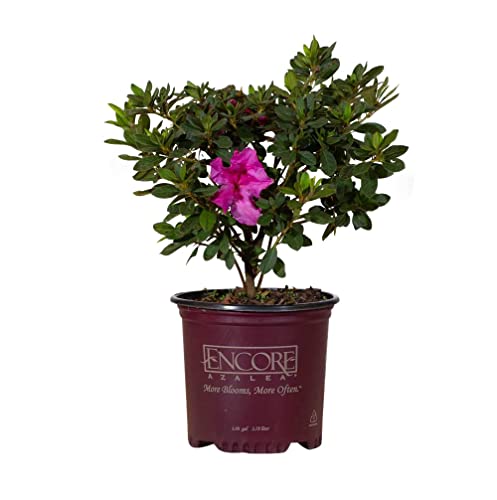
The Encore Azalea Autumn Royalty is a reblooming evergreen shrub that brings color across multiple seasons. Featuring deep pink to purple-hued blooms, this plant offers a dense growth habit suitable for massing as a foundation plant or as a focal accent near entryways. It is known for its relatively low pruning requirements, making it a practical option for gardeners seeking year-round structure in sunny borders. When planted in full sun, ensure consistent moisture during establishment and monitor for heat stress in extreme climates. Once established, Autumn Royalty can reach up to about 4.5 feet wide and 4 feet tall, providing a robust silhouette in sunny landscapes.
Key considerations for Encore Azaleas in full sun include soil acidity and mulching to protect shallow roots, plus post-bloom pruning timing. While pruning after spring flowering is advised, avoid heavy pruning that could reduce next season’s buds. This species also supports pollinators during bloom periods, adding ecological value to sunny beds.
HOME GROWN Premium Wildflower Seeds 89,000+ (Non-GMO)

This premium wildflower seed mix contains over 89,000 non-GMO seeds across 23 native varieties, designed to create striking meadow-like beds, butterfly gardens, and cottage-style borders in full sun. The seeds include Bluebonnets, Blanket flowers, and Milkweed, providing year-round color and essential habitat for pollinators. The mix’s diverse bloom times help sustain visual interest from spring through fall, and its high germination rate supports reliable establishment for beginners and seasoned gardeners alike. It’s suitable for large landscape swaths or smaller sunny borders, offering flexibility in design and maintenance.
Practical notes include sowing in prepared soil after last frost and providing regular moisture during establishment. Since the mix emphasizes natives, it’s a strong choice for ecologically conscious gardeners who want to support local pollinators without high maintenance interventions. Expect a mix of heights and bloom times to create depth and movement in full sun gardens.
Texas Wildflower Mix 87,500+ (Non-GMO)

This 22-variety perennial wildflower seed mix is tailored for full sun and mixed sun/shade gardens across the United States. It features a broad spectrum of Texas natives and other regional favorites, delivering continuous color and attracting bees, butterflies, and birds. The bulk 2-ounce bag format makes it ideal for meadow restorations, borders, and large beds, while remaining accessible for home gardeners. By focusing on native or regionally hardy varieties, it supports resilient growth in sun-drenched climates and fosters a lively pollinator corridor within the landscape.
Growing tips include preparing well-drained soil, spacing seeds according to variety, and maintaining moisture during germination. The mix’s varied bloom times help reduce gaps in color, and the presence of drought-tolerant varieties enhances performance in hotter regions with limited rainfall. This option suits ambitious planners seeking an expansive, eco-friendly sunny garden.
Perennial Farm Sedum kamtschaticum VAR. ellacombianum ‘Cutting Edge’

Cutting Edge Sedum kamtschaticum is a robust groundcover suited to full sun, offering drought tolerance and bright yellow flowers in mid-summer. The plant features yellow-edged green leaves that form rosettes, growing up to around 6 inches tall with a spread of about 12 inches. It thrives in hot, sunny sites and performs well in drier conditions, making it ideal for rock gardens, slope planting, or border edges where moisture is limited. While a bit of afternoon shade can benefit hotter regions, Cutting Edge remains a reliable performer in full sun with minimal maintenance beyond occasional pruning to maintain shape.
Consider pairing Sedum with taller perennials or ornamental grasses to create layered interest. Its evergreen-like foliage provides year-round structure, and the late-summer to early-fall flowers add enduring color to sun-drenched landscapes. It’s also deer-resistant in many areas, which can be a practical advantage for rural or suburban gardens.
Agapanthus ‘Lily of The Nile’

Agapanthus Lily of The Nile is a stately perennial that thrives in full sun and hot conditions, producing tall stalks crowned with large blue-purple flowers. The plant favored for garden and patio landscaping, it can reach 2 to 4 feet in height with strong, architectural lines that pair well with grasses, shrubs, or contrasting foliage. It tolerates well-drained soil and requires regular moisture, especially during establishment, but adapts to a range of sun exposures. The starter plant arrives in a compact 3-inch pot and grows towards a mature, eye-catching display with minimal fussy care.
Key garden applications include large borders, entryway plantings, or container combinations that emphasize height and bloom. In milder climates, Agapanthus can provide a dramatic summer and early autumn focal point, especially when combined with early bloomers and silvery or dark foliage companions. They do best in USDA zones 7–10, so confirm local winter protection needs in cooler regions.
HOME GROWN 44,000 Non-GMO USA Perennial Seeds
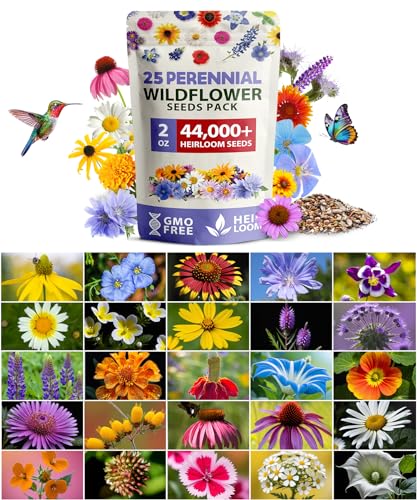
This 44,000-seed mix features nineteen perennial varieties designed for full sun and mixed sun/shade gardens. It includes Purple Coneflower, Black Eyed Susan, and Blue Flax, offering a diverse palette of colors and heights to create a layered, long-lasting display. The seeds are non-GMO and curated for pollinator support, making it suitable for butterfly and bee habitats while delivering seasonal color across the growing season. Its 2-ounce packaging aligns with flexible planting plans for medium to large sun gardens, seed mix borders, or wildflower meadows.
Establishment requires well-prepared soil and consistent moisture during germination. The mix’s varied bloom times encourage ongoing visual interest and reduce gaps between flowering periods. Consider incorporating companion perennials with longer bloom windows to maximize sun-garden performance and provide year-round attraction for wildlife.
Buying Guide: Key Purchase Considerations For Full-Sun Perennials
- Climate and hardiness: Choose varieties that thrive in your USDA zone and local summer heat. Some plants prefer temperate conditions, while others tolerate drought and high temperatures better.
- Soil type and drainage: Sunny beds benefit from well-drained soils. Sedums and agapanthus tolerate lean or sandy soils, whereas azaleas generally require acidic soils with ample mulch and moisture.
- Watering and establishment: Many perennials establish best with regular moisture the first growing season. Drought-tolerant options reduce long-term irrigation needs but may require extra attention during establishment.
- Pollinator value: Native wildflower mixes support bees, butterflies, and hummingbirds, promoting biodiversity and ecosystem health in sunny gardens.
- Maintenance needs: Consider pruning, deadheading, and potential pest resistance. Low-pruning shrubs, evergreen perennials, and groundcovers can reduce ongoing maintenance while preserving visual structure.
- Bloom window and color coordination: Mix early, mid, and late bloomers for consistent color. Pairing contrasting foliage textures with vibrant flowers adds depth to sunlit borders.
- Container versus ground bed: Tall varieties like Agapanthus or Azaleas work well in larger containers or in-ground borders. Plan spacing to prevent crowding and ensure air circulation.
- Invasiveness and regional regulations: Some wildflower mixes include aggressively spreading varieties. Check local guidelines and choose controlled cultivars if necessary.
In sum, the selected perennials and seed mixes provide a spectrum of sun-loving options—from flowering shrubs and tall bloomers to drought-tolerant groundcovers and pollinator-focused mixes. By balancing color, height, and bloom timing, you can craft a durable full-sun landscape that remains visually compelling across seasons and climate zones.