Pest control sprays for plants help protect indoor and outdoor greenery from common insects, mites, and diseases. This guide highlights five effective options across plant-based, ready-to-use, and neem-based formulas. It’s ideal for gardeners seeking safer alternatives to harsh chemicals while keeping houseplants and garden beds healthy. The selections are suited for different buyers: hobbyists with houseplants, urban gardeners needing quick outdoor protection, and those seeking organic-approved solutions.
Summary of chosen products: (product, best for, key benefit)
- Mighty Mint Peppermint Oil Plant Protection Spray — best for small plants and homes with pets — plant-based pest deterrence
- Bonide Captain Jack’s Neem Max Ready-to-Use Spray — best for mixed outdoor/indoor use — multi-purpose neem-based protection
- Bonide Insecticidal Soap — best for delicate ornamentals — direct-contact insect control
- Mighty Mint Peppermint Oil Insect Repellent Spray — best for high-traffic areas — extra-concentrated peppermint protection
- Natria Neem Oil Spray for Gardening — best for disease and pest control — integrated disease prevention
Mighty Mint Peppermint Oil Plant Protection Spray

Best for: small to medium houseplants and home gardens where pet safety matters. This plant-based spray uses peppermint oil to deter gnats, spider mites, and aphids, reducing plant damage without harsh chemicals. It supports healthier plants by providing a refreshing, natural barrier.
Why it was selected: Its plant-based formula aligns with indoor use around people and pets when directions are followed. It’s a convenient option for quick spot treatments and regular maintenance in living spaces and windowsill gardens.
Caution: Avoid applying during peak sunlight to prevent leaf scorching on sensitive varieties. Follow label directions for dilution and frequency of use.
Bonide Captain Jack’s Neem Max Ready-to-Use Spray

Best for: mixed outdoor and indoor gardens needing broad protection. Neem Max acts as a 4-in-1 solution—an insecticide, fungicide, miticide, and nematicide—delivering comprehensive control with a plant-based ingredient. Suitable for organic gardening contexts.
Why it was selected: Neem oil provides systemic benefits against eggs, larvae, and adults, covering multiple life stages of pests. It’s particularly strong against aphids, mites, beetles, and caterpillars. A limitation is that its effectiveness may vary with weather and pest pressure.
Caution: Apply according to directions to minimize non-target effects and ensure complete coverage on stressed plants. Avoid applying during flowering on pollinator-sensitive crops when possible.
Bonide Insecticidal Soap
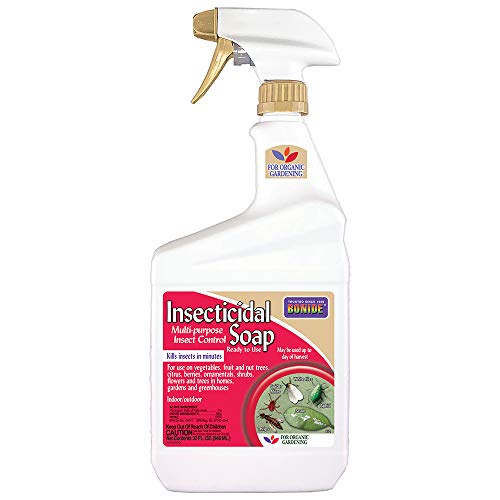
Best for: outdoor residential gardens and greenhouses with a broad range of pests. This ready-to-use spray controls adelgid, aphid, spider mite, caterpillar, and other pests through direct contact and ingestion mechanisms.
Why it was selected: Its versatility across ornamentals, edibles, and lawns makes it a practical choice for mixed landscapes. It’s particularly useful when dealing with surface-feeding insects and soft-bodied pests.
Caution: Effectiveness depends on thorough coverage and timing; shy pests or hidden undersides may require reapplication. Avoid applying during extreme heat to prevent leaf damage.
Mighty Mint Peppermint Oil Insect Repellent Spray
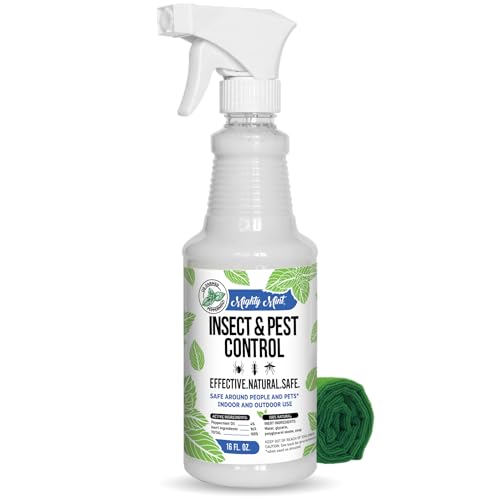
Best for: spaces requiring indoor-outdoor versatility, especially when there is high foot traffic or sensitive areas. The formula uses extra-concentrated peppermint oil for stronger deterrence against spiders, ants, roaches, and more.
Why it was selected: The product is designed to be effective across entryways, baseboards, patios, and living spaces without harsh fumes. It’s a solid choice when a durable peppermint barrier is desired in both indoor and outdoor settings.
Caution: Strong peppermint scent may be noticeable; consider ventilation and occupant sensitivity, especially in small rooms. Avoid excessive application near edible crops.
Natria Neem Oil Spray for Gardening

Best for: houseplants and home gardens needing both pest and disease control. Neem oil acts as an insecticide and fungicide, with a ready-to-use trigger sprayer for easy application.
Why it was selected: Neem oil supports long-term plant health by targeting insects at various life stages and by helping prevent powdery mildew and other diseases. It’s a convenient option for ongoing preventive care.
Caution: Neem products can affect beneficial insects if used broadly; apply when pollinators are not active if possible and follow label directions for frequency of use.
Buying Guide
What should I look for in a plant spray?
Consider the pest you face, whether you need an insecticide, miticide, or fungicide, and whether you prefer plant-based or conventional chemistry. For indoor use, opt for formulas labeled safe for people and pets when used as directed. For organic gardening, look for neem-based or other organic-approved products.
Is ready-to-use better than concentrates?
Ready-to-use sprays are convenient for quick spot treatments and beginners. Concentrates may be more cost-effective per application but require mixing and more careful handling. Always follow label instructions for dilution and use.
How do I apply safely and effectively?
Apply when temperatures are moderate and avoid direct, intense sun. Cover both the upper and undersides of leaves for thorough pest contact. Reapply according to the product’s directions, especially after rain or heavy irrigation.
How do I choose by plant type?
Houseplants often benefit from milder, plant-based sprays with low odor. Outdoor ornamentals and edibles may tolerate stronger solutions like neem-based products, but consider pollinators and nearby wildlife during application windows.
What about scale and frequency?
Insects with rapid life cycles may require more frequent applications. Use preventive sprays periodically in gardens with persistent pest pressure, and monitor plant health between treatments to prevent over-application.
Safety and compatibility considerations
- Always read and follow label directions for frequency and safe use around people and pets.
- Avoid applying near pollinator activity and during bloom when possible.
- Test on a small leaf area first to check for phytotoxicity, especially on sensitive plants.
Frequently Asked Questions
- Do these sprays harm beneficial insects? Some products can affect beneficials if applied broadly. Use targeted applications and follow timing guidance to minimize impact.
- Can I use these on edible plants? Many products are suitable for edible gardens, but always check the label for restrictions and wait times before harvest.
- Are neem-based sprays safe for pets? Neem products are generally considered safe when used as directed, but avoid contact with skin and eyes of pets and ensure proper ventilation after application.
- How often should I reapply? Reapplication depends on pest pressure, weather, and the product. Follow the label’s recommended interval and monitor plant health between treatments.
- What’s the best option for indoor plants? Plant-based peppermint oil sprays are popular for indoors due to lower odor and quick deterring action on common pests like gnats and aphids.
- Is a combination approach better? For broad protection, combine a contact insecticide with a fungicide or disease-control spray when appropriate, but ensure compatibility and follow label guidance.