When selecting a pesticide for indoor plants and soil, look for products that protect roots and foliage without harming pets or beneficial organisms. This guide highlights top picks for different needs—systemic protection, spray fungicides, and natural plant-based formulas—so you can choose the best fit for your indoor garden. The top picks include products suitable for containerized houseplants, vegetables, herbs, and ornamental plants. Each entry notes who it’s best for and a practical consideration to avoid common issues.
Summary at a glance: the table below compares five popular options by type, best use case, and notable caveats. Use this as a quick reference to pair your indoor plants with the right product.
| Product | Best For | Notes |
|---|---|---|
| Bonide Systemic Houseplant Insect Control | Containerized houseplants needing lasting root-to-shoot protection | Systemic, lasts up to 8 weeks; not effective against non-feeding insects |
| Organic Insecticide & Fungicide (ARBER) | Plants needing both pest and powdery mildew control | Bio-based concentrate; coats leaves and soil zones |
| Kate’s Garden Insects & Gnats Spray | Gnats, fungus gnats, and general indoor plant pests | Natural ingredients; peppermint and rosemary oils |
| Trifecta Crop Control | Indoor and outdoor plants requiring broad control (mites, mildews) | Plant-based; fungicide and insect control; no residues |
| Mighty Mint Peppermint Oil Spray | Prevention and deterrence for common pests | Plant-based, safe when used as directed |
Bonide Systemic Houseplant Insect Control

What it is: A ready-to-use granular systemic treatment absorbed by roots and distributed through the plant to protect against chewing and sap-sucking insects. Best for containerized houseplants that sit in soil where root uptake can occur. Kills insects through ingestion and lasts up to eight weeks after application. Not active against insects that do not feed on plants. Use for mealybugs, aphids, scale, and similar pests; won’t control non-feeding pests.
Who it’s best for: Homeowners with potted tropicals, succulents, or flowering houseplants needing extended protection without frequent applications. Suitable for indoor use with low odor.
Limitation: Systemic action means protective effect depends on plant uptake; accidental over-application can affect delicate ornamentals or sensitive plants. Though designed for indoors, avoid extreme application near edible herbs used in cooking unless specified.
Organic Insecticide & Fungicide (ARBER)

What it is: A plant-safe concentrate formulated to coat leaves and soil zones, disrupting pest life cycles and suppressing powdery mildew. Suitable for seedlings, established pots, containers, raised beds, and greenhouse starts. Dilute in water and apply with various sprayers for foliage and root zones. Works well after rain, during heat spells, or when bringing nursery plants home.
Who it’s best for: Gardeners seeking an all-in-one organic defense for both pests and fungal issues without synthetic chemistry. Ideal for mixed plantings, vegetable starts, and containers where powdery mildew or sap-sucking pests appear.
Limitation: As a concentrate, effectiveness depends on correct dilution and thorough coverage; misdilution can reduce efficacy. Not a single-step cure for severe infestations; consistent application is recommended.
Kate’s Garden Plant Spray for Insects & Gnats

What it is: An indoor plant bug spray designed to kill fungus gnats, spider mites, and fruit flies using natural ingredients like peppermint and rosemary oil. Suitable for both indoor and outdoor use, often paired with other control methods for comprehensive pest management.
Who it’s best for: Houseplant owners seeking a natural, plant-friendly option with minimal odor and no harsh synthetic chemicals. Good for households with pets or children when used as directed.
Caution: While effective against numerous pests, it may require repeated applications for persistent infestations. Avoid excessive spraying on delicate plant tissues to minimize foliar damage.
Trifecta Crop Control
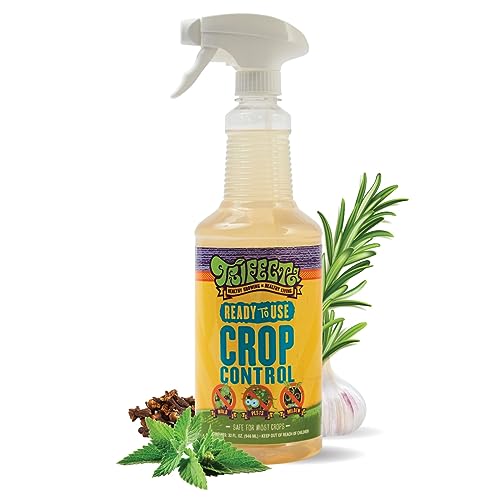
What it is: A ready-to-use maximum-strength natural pesticide, fungicide, and miticide designed to defeat spider mites, powdery mildew, Botrytis, and mold on indoor and outdoor plants. Plant-based and biodegradable, formulated to be safe for edible crops when used as directed. Provides broad-spectrum protection without chemical residues.
Who it’s best for: Mixed gardens or houseplants where a broad, eco-friendly defense is desired. Suitable for organic-minded growers needing a multi-target solution with no synthetic residues.
Limitation: It is a concentrated spray; follow label directions for dilution and coverage to avoid under- or over-application. May not act as quickly as synthetic products on severe outbreaks.
Mighty Mint Peppermint Oil Spray

What it is: A plant-based protection spray using peppermint oil to deter common pests including gnats, spider mites, and aphids. Safe for use around people and pets when applied as directed, offering a refreshing natural deterrent for indoor gardens.
Who it’s best for: Gardeners preferring a fragrance-neutral or mildly scented, non-toxic option for regular pest prevention and light control in indoor spaces.
Limitation: Peppermint oil-based sprays may be less effective for established infestations; multiple applications and integration with cultural controls may be necessary for stubborn problems.
BioAdvanced Houseplant Insect And Mite Control

What it is: An indoor and outdoor ready-to-use spray that targets insect pests and mites, plus disease control through fungicidal action. Sprays provide blanket protection for houseplants, flowers, and herbs in various environments.
Who it’s best for: Indoor gardeners who want a single product for both insect and mite control along with disease suppression. Useful when multiple pest types appear across several plant species.
Limitation: As with many sprays, effectiveness depends on coverage; ensure thorough application to both upper and lower leaf surfaces and soil contact zones.
Bonide Houseplant Systemic Insect Control Granules
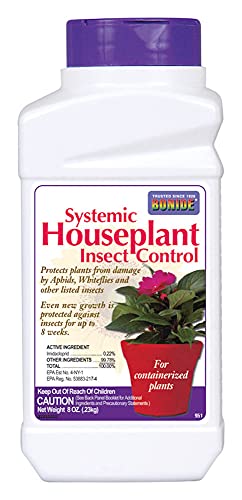
What it is: An 8-ounce granular systemic product designed to protect indoor houseplants from common pests by moving systemically within the plant. Helps reduce aphids, whiteflies, fungus gnats, and more.
Who it’s best for: Houseplant collectors seeking an ongoing protective measure with root uptake. Particularly useful for plants that remain in pots for extended periods.
Caution: Ensure proper application as directed to avoid over-application; systemic products rely on plant uptake to be effective and may influence sensitive plant varieties differently.
Buying Guide: Key Purchase Considerations
- Target pests: Identify whether your problems are fungal (powdery mildew, leaf spot), insect, or mite-related, and select accordingly.
- Indoor safety: Look for low-odor formulas and those labeled for indoor use, especially in homes with kids or pets.
- Active delivery method: Systemic products protect from within the plant, while sprays, concentrates, and oils provide surface protection; choose based on plant type and infestation severity.
- Plant compatibility: Some products are best for containerized plants, others for mixed plantings or edible crops; verify label recommendations before use.
- Application timing: Consider when to apply (before an outbreak, after rainfall, or during heat waves) to maximize effectiveness and minimize stress on plants.
- Environmental impact: Favor plant-based or biodegradable options for eco-friendly gardening; ensure compatibility with edible crops if applicable.
FAQ
- Q: Can I use these products on edible herbs grown indoors?
A: Only if the label specifies safe use for edible crops and directs indoor applications. Follow all label instructions to avoid residues on consumables. - Q: How often should I reapply a systemic pesticide on indoor plants?
A: Reapplication intervals depend on the product and plant uptake; most systems indicate protection for several weeks, but always follow the label for reentry and reapplication timings. - Q: Are natural or plant-based sprays as effective as chemical options?
A: Natural formulations can be effective for light to moderate infestations and for prevention, but severe outbreaks may require more robust or repeated treatments. Consider integrating cultural controls with chemical options. - Q: What is the best approach for a mixed indoor garden with pests and powdery mildew?
A: A combination product addressing both pests and diseases, or using separate insecticide and fungicide products in rotation, can be effective. Ensure compatibility and avoid overlapping residues on sensitive plants. - Q: Should I test a small plant before full use?
A: Yes. Apply to a small test area or a single plant to observe any adverse reactions before treating the entire collection.