Choosing the right pesticide for a vegetable garden involves balancing effective pest control with safety for edible plants and nearby wildlife. The following products are selected for their versatility against common garden pests, ease of use, and suitability for edible crops. This guide highlights notable features, potential use cases, and practical application tips to help gardeners protect fruits, vegetables, and herbs without compromising safety or flavor.
| Product | Brand | Key Benefit |
|---|---|---|
| BioAdvanced 701521A Concentrate Vegetable Garden Rescue | BioAdvanced | Broad insect kill on contact; protects fruit & vegetables |
| Sevin Ready-to-Use Insect Killer 1 Gallon | Sevin | Kills on contact; broad pest coverage |
| BioAdvanced Organics Tomato, Vegetable & Fruit Ready-to-Use | BioAdvanced | Fast-acting, protects edibles; curative against certain diseases |
| Trifecta Crop Control Ready-to-Use | Trifecta | All-natural, multi-purpose control for insects and fungi |
| Earth’s Ally 3-in-1 Plant Spray | Earth’s Ally | Organic, 3-in-1 insecticide, miticide, fungicide |
BioAdvanced Garden Rescue Concentrate

The BioAdvanced CROP SCIENCE 701521A Concentrate for Vegetable Garden Rescue is designed to kill a broad range of insects on contact, including aphids, caterpillars, thrips, tomato hornworms, and whiteflies. It provides protection for fruit and vegetables by applying the spray until leaves are coated. This product emphasizes ease of use with a simple mixing process, making it suitable for regular garden maintenance and preventative treatments. Consider applying during early pest activity to reduce injury to edible crops.
Features indicate coverage of more than 70 listed pests, making it a versatile choice for mixed vegetable plots. When using on edible crops, follow label directions for dilution and application intervals to minimize residue concerns. This concentrate is often paired with routine monitoring for best results in home vegetable gardens.
Sevin Ready-To-Use Insect Killer

Sevin Ready-to-Use Insect Killer 1 Gallon focuses on rapid contact knockdown for a wide range of pests, including common garden insects that threaten roses and edibles. The white-label variant is designed for straightforward application, with claims of protecting blooms and edible plants. It is presented as a convenient, ready-to-use option that minimizes handling steps and time between spray and protection.
The product is described as killing on contact and targeting over 700 listed insects, highlighting its breadth of coverage. For vegetable gardens, consider timing applications to avoid drought stress and ensure thorough leaf coverage without runoff. Always apply in calm conditions and follow label safety precautions for household pets and beneficial insects.
BioAdvanced Organics Tomato, Vegetable & Fruit
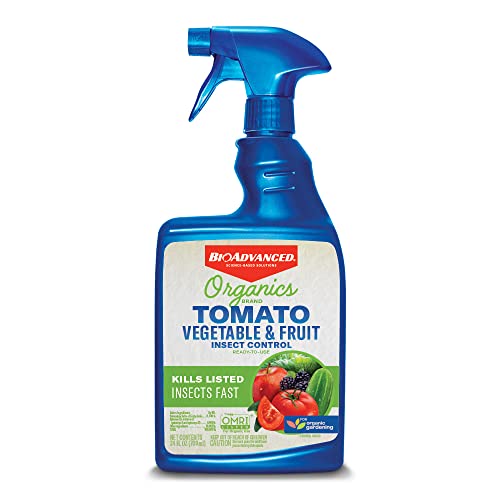
BioAdvanced Organics Ready-to-Use formula is tailored for edibles, offering fast-action insect control against aphids, caterpillars, mealybugs, spider mites, and other listed pests. The product also claims curative control against powdery mildew and is designed for vegetables, fruit and nut trees, herbs, and outdoor container-grown plants. This makes it a versatile option for mixed planting beds and container gardens where edible crops are present.
When applying to vegetables, follow a light-to-moderate coverage approach to avoid leaf burn and ensure thorough contact with pests. This product suits gardeners seeking an organic-friendly option with broad pest suppression and disease control on edible crops.
Trifecta Crop Control Ready-To-Use
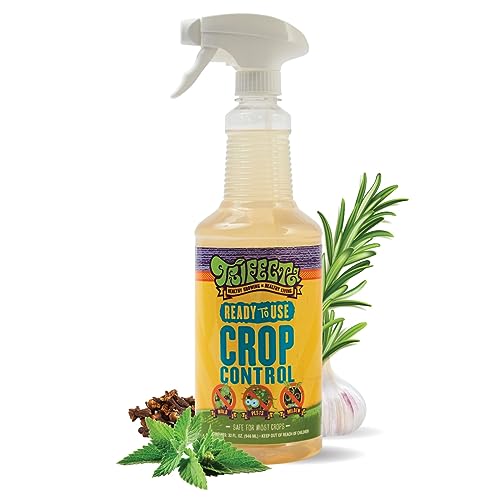
Trifecta Crop Control is a maximum-strength, ready-to-use product intended for multiple pest and disease challenges. This all-natural, plant-based formula claims to combat spider mites, aphids, whiteflies, fungus gnats, powdery mildew, Botrytis, and mold on plants. It emphasizes safety for edible crops and the environment, with coverage for indoor and outdoor use. The blend relies on essential oil components to suffocate or deter pests without damaging beneficial insects when used as directed.
The product is designed for easy application with fast-drying properties and minimal residue. It is positioned as a versatile option for gardeners pursuing organic or reduced-chemical approaches, especially in vegetable patches where diverse pests may appear. Always test on a small area before broader use to gauge plant tolerance.
Sevin Insect Killer Dust

Sevin Insect Killer Dust is a granular-style option aimed at protecting flowers and lawn areas from listed pests. It claims to kill by contact for over 150 listed insects and is designed to be a simple, on-the-spot treatment for pest hotspots. This product can be effective for soil-adjacent pest control and garden borders where dust applications can be applied to crevices and plant bases.
Use caution with dust formulations around edible crops and pollinators. Apply during dry conditions and avoid applying directly to open blooms when possible. Follow label directions regarding residue and harvest intervals to ensure crop safety.
Earth’s Ally 3-in-1 Plant Spray

Earth’s Ally 3-in-1 Plant Spray combines insecticide, miticide, and fungicide actions for comprehensive plant protection. The formula targets soft-bodied insects including spider mites, aphids, whiteflies, mealybugs, leaf rollers, and scale, while also addressing powdery mildew, downy mildew, blight, canker, and leaf spots. It is designed for use on indoor houseplants and outdoor gardens, including trees and large containers, making it versatile for mixed landscapes and edible crops.
This product emphasizes botanical oil components and a synergistic blend to repel or kill pests without leaving significant residues. For vegetable gardens, apply to the undersides of leaves and stems where pests commonly hide, and reapply according to label guidelines to maintain protection during growth cycles.
Buying Guide
Key purchase considerations for choosing a vegetable garden pesticide include pest spectrum, crop safety, organic compatibility, and application convenience. Consider the following perspectives to compare products effectively:
- Pest targets and breadth: Some products are broad-spectrum insect killers, while others address specific pests or include fungicidal action. Assess the most common threats in your garden before selecting a product.
- Edible crop safety: For vegetables, prioritize products labeled for use on edibles and follow dilution and harvest interval instructions to protect harvest quality.
- Organic and natural options: If pursuing organic gardening, look for plant-based or essential-oil-based formulas that minimize chemical residues while maintaining efficacy.
- Ease of use: Ready-to-use formulations reduce mixing steps, whereas concentrates may require careful dilution. Consider your workflow and spray equipment availability.
- Safety and wildlife considerations: Some products affect pollinators or beneficial insects; plan applications to minimize exposure, such as applying in the early morning or late evening and avoiding flowering periods.
- Residue and odor: Some formulations dry quickly with little odor, while others may leave a noticeable residue. This can influence harvest timing and household use around children and pets.
- Environmental impact: Look for eco-friendly, biodegradable formulas and limited impact on soil microbiology when possible, especially in organic or mixed-bed gardens.
When selecting a pesticide for a vegetable garden, match product characteristics to your garden’s pest profile, crop type, and management goals. Always read and follow the product label for safe and effective use, including application rates, timing, and pre-harvest intervals. Combining chemical controls with cultural practices—like regular monitoring, crop rotation, and proper sanitation—can enhance overall garden health and yield while minimizing risks.