When growing vegetables, a reliable pesticide helps protect edibles from common pests and diseases while minimizing harm to beneficial insects. The top picks below are chosen for buyers seeking ready-to-use sprays, plant-safe formulas, and options suitable for organic and conventional gardens. Each product is described with who it’s best for, why it’s suitable, and a practical limitation to consider.
| Product | Brand | Best For |
|---|---|---|
| BioAdvanced Organics Brand Tomato, Vegetable & Fruit Plant Bug Spray, Ready-to-Use, 24 oz | Bayer Advanced | Edible crops and container plants needing quick, contact-kill control |
| Trifecta Crop Control Ready to Use Maximum Strength | Trifecta | Organic-friendly, multi-pest and disease coverage for veggies and indoor plants |
| Natria Neem Oil Spray for Gardening | Natria | Insects and diseases with a plant-safe, ready-to-use approach |
| Garden Safe Insecticidal Soap | Garden Safe | Organic gardening, contact-kill on a variety of pests |
| BioAdvanced Vegetable and Garden Insect Spray, Concentrated | Bayer Advanced | Seasonal pest control for fruit and vegetable crops |
BioAdvanced Organics Ready-To-Use Plant Bug Spray
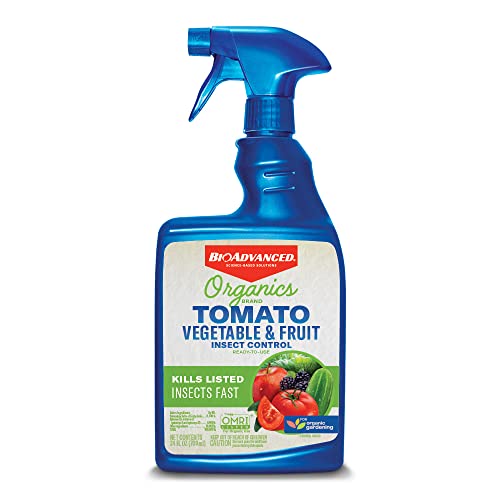
Best for quick, on-demand protection of edibles. This spray claims fast-contact kill of common pests such as aphids, caterpillars, mealybugs, and spider mites, with curative control for powdery mildew. It’s a practical choice for gardeners who want an easy, ready-to-use option on tomatoes, peppers, and other vegetables.
Who it’s best for: Home gardeners with mixed edible crops and outdoor containers who want fast results without mixing or measuring. Why selected: It combines insecticidal action with powdery mildew curative claims, offering two protections in one bottle. Limitation: As a ready-to-use product, it may require frequent applications during heavy pest pressure.
Trifecta Crop Control Ready To Use
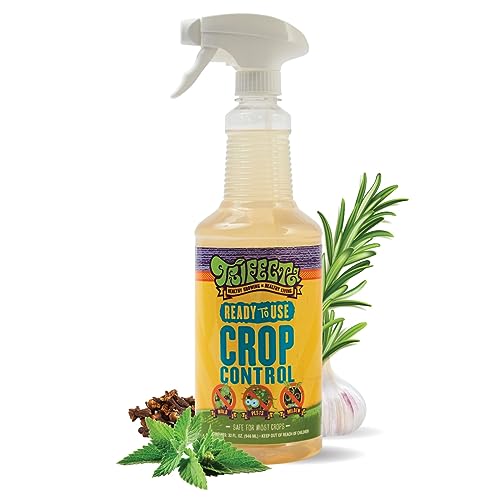
Best for organic-friendly, multi-purpose plant care. This all-natural, plant-based formula is designed to combat pests like spider mites, aphids, whiteflies, and powdery mildew, while remaining safe for edible crops with no chemical residues. It also targets a range of diseases on indoor and outdoor plants.
Who it’s best for: Gardeners seeking an eco-friendly option with broad pest and disease control for vegetables and houseplants. Why selected: It combines insect control with fungicidal action in a single spray, reducing the need for multiple products. Limitation: As a natural formula, it may require more frequent applications in active pest conditions.
Natria Neem Oil Spray for Gardening

Best for combined pest and disease control with a ready-to-use format. Neem oil acts as both an insecticide and fungicide, effective against aphids, whiteflies, spider mites, and several disease issues. The spray is designed for use on houseplants, edible crops, and garden plants with minimal preparation.
Who it’s best for: Buyers who prefer a natural, broad-spectrum approach and simple application. Why selected: The dual function as insecticide and fungicide helps protect plants from pests and fungal diseases in one product. Limitation: Neem-based products can have slower knockdown and may require reapplication after rain or heavy dew.
Sevin Insect Killer Ready to Use

Best for broad-spectrum, fast-acting control on roses and edible crops. This product claims contact-kill action against a large list of pests. It’s suitable for gardeners who want a single, versatile solution that covers many common garden insects.
Who it’s best for: Gardeners dealing with multiple pest issues across flowering and veggie plants. Why selected: Kills on contact, making it effective for immediate pest suppression. Limitation: Some listed pests may require repeated applications; check plant safety for sensitive vegetables.
Garden Safe Insecticidal Soap

Best for organic gardening with a contact-kill approach. This soap spray is designed for vegetables, fruit trees, ornamentals, and edible crops, with the note that pests must be sprayed directly for control. It’s a practical choice for homeowners seeking a gentle, plant-friendly option.
Who it’s best for: Gardeners prioritizing organic-approved products and direct-contact pest control. Why selected: Ready-to-use format and suitability up to harvest, making it convenient for vegetable patches. Limitation: Works by contact only, so thorough coverage is essential and effectiveness depends on pest exposure.
BioAdvanced Vegetable And Garden Insect Spray

Best for concentrated, long-lasting insect control for fruit and vegetable crops. This product targets aphids, caterpillars, thrips, hornworms, whiteflies, and more, offering a straightforward mixing and application method for garden plants.
Who it’s best for: Gardeners who prefer a concentrate they can mix to a suitable strength for various crops. Why selected: Broad insect coverage and a simple application approach for maintaining garden health. Limitation: Requires mixing; durability after mixing depends on storage and usage rate.
Bonide Captain Jack’s Neem Max

Best for organic-focused, multi-use protection with neem oil. This product acts as an insecticide, fungicide, miticide, and nematicide, targeting a broad range of pests at different life stages. Neem Max is suitable for indoor and outdoor plants, including vegetables.
Who it’s best for: Gardeners seeking an all-purpose, neem-based solution compatible with organic gardening. Why selected: Multi-action formula helps simplify pest management. Limitation: Neem-based products may have slower immediate knockdown compared to synthetic options; environmental conditions can affect efficacy.
DIAUT Neem Oil Spray with Peppermint

Best for a natural plant wash with added peppermint for scent and potential deterrence. This spray uses cold-pressed neem oil plus peppermint oil to cleanse leaves, support resilience, and protect indoor and outdoor plants, including vegetables.
Who it’s best for: Home gardeners wanting a botanical blend with foliar cleaning benefits. Why selected: Combines neem oil with peppermint for added aroma and potential pest deterrence. Limitation: Essential oil blends may cause leaf sensitivity on certain plant varieties; test on a small area first.
Buying Guide: Key Purchase Considerations
- Target pests and diseases: Identify the main pests (aphids, mites, whiteflies) and diseases (powdery mildew, botrytis) to match the product’s strengths.
- Formulation type: Ready-to-use sprays are convenient for quick treatments; concentrates offer cost efficiency but require mixing.
- Edible crop safety: For vegetables and fruits, prefer products labeled for use on edibles or organic gardening when possible.
- Impact on beneficials: Some products can harm pollinators or natural enemies; consider products that minimize impact where possible.
- Reapplication and weather: Rain, humidity, and sun exposure influence how often you need to reapply.
Frequently Asked Questions
- Q: Are these pesticides safe on vegetables right after application? A: Follow label instructions for pre-harvest intervals and ensure the product is compatible with edible crops.
- Q: Can I mix multiple pesticides for vegetables? A: Mixing is not always recommended. Use products as directed and avoid combining incompatible formulations.
- Q: Which option is best for organic gardening? A: Neem oil and plant-based formulations (like Trifecta Crop Control) are commonly chosen for organic-friendly gardening.
- Q: Do these products kill eggs or larvae? A: Some neem-based products and soaps target eggs and larvae, but efficacy depends on the pest and application timing.
- Q: How often should I treat for powdery mildew on vegetables? A: Fungicidal products labeled for mildew often require regular applications during humid conditions; follow product guidance.
- Q: Should I avoid spraying during pollination periods? A: To protect pollinators, spray early morning or late evening when bees are less active, and follow label directions.