The best ph test for lawn results come from reliable, easy-to-read soil pH meters and test kits. This guide highlights five top options suited for different needs—from simple, battery-free meters to multi-parameter testers. Ideal buyers include novice gardeners wanting quick feedback, lawn lovers needing regular monitoring, and DIY enthusiasts seeking deeper insights. The table below compares each pick at a glance to help you decide which is right for your lawn.
| Product | Best For | Key Benefit | Limitations |
|---|---|---|---|
| Beginner lawn care | Dual-dial display shows moisture and pH at once | No battery, may require recalibration over time | |
| YAMRON 4‑in‑1 Digital Soil Tester | All‑in‑one readings | Moisture, pH, temperature, sunlight with backlit LCD | Requires AAA batteries |
| Rapitest Soil Test Kit (Luster Leaf) | DIY detailed testing | Comprehensive pH and nutrient indicators with color chart | Manual interpretation needed |
| HSLGOVE 7‑in‑1 Soil Tester | Comprehensive data | Combined moisture, pH, fertility, temp, light, humidity | More features, smaller readout |
| HOVIRAN 125 Strips Soil pH Test Kit | Long‑term monitoring | Many strips for recurring testing across seasons | Strip-based, less immediate feedback |
AiGerdinn 2‑in‑1 Soil pH & Moisture Meter

Best for beginners who want quick, at-a-glance readouts. The AiGerdinn unit combines soil moisture and pH in a dual-dial display, letting you see two essential lawn metrics without switching modes or batteries. The sturdy probe is designed to minimize root damage and support long-term use. It’s ideal for homeowners who prefer a simple, battery-free tool and want immediate feedback on watering needs and soil acidity. Caution: accuracy can drift with very compacted or highly variable soils; recalibration or repurposing may be needed over time.
YAMRON 4‑in‑1 Soil Moisture, pH, Temp & Sunlight Tester

The YAMRON tester is best for gardeners who want a single device that covers multiple soil conditions. It reads moisture, pH, temperature, and sunlight, with a backlit LCD for easy use in dim conditions. It is battery-powered, which enables digital readouts and alerts. Use it to tailor watering schedules and identify light exposure needs for lawn areas that vary in shade. Limitation: battery replacement is required to maintain backlight and display accuracy over time.
Rapitest Soil Test Kit by Luster Leaf
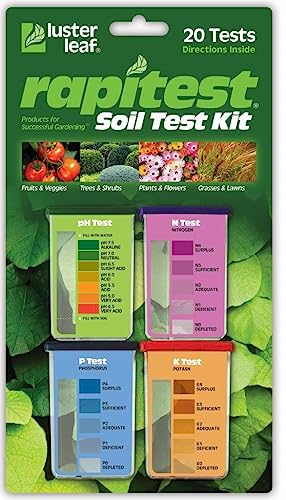
Rapitest is a classic choice for lawn care enthusiasts who want hands-on, color‑coded results. The kit assesses soil pH and key nutrients, using color comparators for easy interpretation across multiple sample points. It’s especially helpful for lawns with mixed areas or varying soil types. Best for: homeowners who prefer a traditional method and want to test several spots to map soil health. Caution: color interpretation can be subjective; consider cross-checking with a digital meter for precise decisions.
MySoil Complete Soil Test Kit

MySoil is a professional‑grade option for lawns needing precise nutrient and pH analysis. It analyzes 13 plant‑available nutrients plus pH and provides tailored recommendations based on soil type and plant needs. This kit is best for homeowners planning long-term lawn improvements or those seeking data to guide professional lawn care programs. Limitation: results come from a mail‑in lab analysis, so you won’t get immediate on‑site feedback.
HSLGOVE 7‑in‑1 Digital Soil Tester

HSLGOVE provides a wide range of measurements in one unit: soil moisture, pH, fertility, temperature, light, and both indoor and outdoor readings. The dual-dial design and LCD readout help users compare several factors quickly. Best for lawn enthusiasts who want a single device that covers microclimates across a large yard and provides data for both plant health and environmental conditions. Caution: the device includes battery‑dependent electronics, so be mindful of battery maintenance and replacement.
HOVIRAN 125 Strips Soil pH Test Kit

HOVIRAN offers a low-cost, high-volume solution for ongoing lawn monitoring with 125 test strips. It covers a broad pH range (3–9), suitable for most lawn soils. Best for budget‑minded gardeners who test seasonally across multiple lawn zones. Limitations: strip-based results require careful timing and color interpretation, and you won’t get moisture or temperature data from this kit.
Buying Guide: Key Considerations For Choosing A Lawn pH Test Tool
- Scope of measurements: Do you only need pH, or do you want moisture, temperature, light, and fertility data?
- Readout type: Do you prefer analog dial readouts, digital LCD displays, or color‑coded test strips?
- Speed vs. depth: Do you want quick feedback in seconds, or comprehensive soil analysis over days?
- Maintenance: Are battery replacements acceptable, or should you choose a battery‑free option?
- Number of tests: Will you test multiple lawn areas or perform seasonal monitoring?
- Soil conditions: Highly sandy, clay, or compacted soils may affect readings; choose a device resilient to such conditions.
Practical Comparisons For Lawn Use
- Best for quick checks across large lawn areas: AiGerdinn or YAMRON, especially when you want immediate dual or multi-parameter feedback.
- Better for detailed lawn planning with nutrient guidance: Rapitest or MySoil, when color charts and lab-like data are helpful.
- Choose this if you want all-in-one data including temperature and humidity: HSLGOVE.
- Avoid if you prefer instant digital readings with no ongoing costs: Strip kits like HOVIRAN require repeated purchases and careful color matching.
FAQ
- What pH range is best for most lawns?
Most cool-season grasses prefer a soil pH around 6.0–7.0, but exact needs depend on grass type and local soil conditions.
- Do I need to test soil moisture and pH at the same time?
Testing both helps tailor watering and lime or sulfur applications to improve pH and root health.
- Are digital meters more accurate than test strips?
Digital meters provide quick readings and trend data; strips are cost-effective for many spot checks but require careful color interpretation.
- How often should I test a lawn’s soil pH?
Typically once or twice per year is enough for most lawns, with seasonal checks in regions with variable rainfall or irrigation practices.
- Can I rely on a single test kit for my entire lawn?
For large or varied lawns, test multiple spots to map soil differences; some devices enable broader coverage, while strips require several tests.
- What’s the fastest way to adjust soil pH after testing?
Apply lime to raise pH or elemental sulfur to lower pH, following soil test recommendations and local guidelines.