Answer: For reliable, long-lasting plant identification, choose sturdy markers that resist weather, are easy to read, and match your garden style. This guide highlights five top options suitable for home gardens, balconies, and greenhouses. Whether you grow vegetables, herbs, or ornamentals, these plant signs help you label and manage your space efficiently. The best picks balance durability, readability, and ease of use for beginners and seasoned gardeners alike. Below, compare each option and find the right fit for your planting system and climate.
| Product | Best For |
|---|---|
| STARTOSTAR 30-Pack Metal Plant Labels | Rust-proof, reusable markers for vegetable and herb rows |
| GHAMYEE 30pcs Metal Plant Labels | Outdoor gardens needing durable stainless steel markers |
| Whaline Bamboo Plant Labels | Eco-friendly, decorative signs for seed trays and pots |
| UPINS Acrylic Plant Labels | Colorful, easy-to-read indoor/outdoor labels with printed styles |
| Zkptops Wooden Plant Labels | Natural wood markers for a classic garden aesthetic |
STARTOSTAR 30-Pack Metal Plant Labels

Best for: gardeners seeking highly durable, reusable metal markers for vegetables, herbs, and flowers. These zinc labels are waterproof, rustproof, and designed to retain their color, making them ideal for long-term outdoor use. The 10.6-inch height and 3.5×1.2-inch label area provide clear visibility from a distance. You can mark them with oil-based pens or print labels for a neat, professional look. A potential limitation is that metal markers can bend if forced into very hard soil.
GHAMYEE 30pcs Metal Plant Labels

Best for: outdoor garden setups that demand robust stainless-steel markers. The 11-inch total height plus a 1.2×3.5-inch label area makes names highly legible, and the included white marker pen supports immediate use. These markers are resistant to weather and won’t deform easily. Caution: the black metal finish may show scratches over time, which could affect readability if not kept clean.
Whaline Bamboo Plant Labels
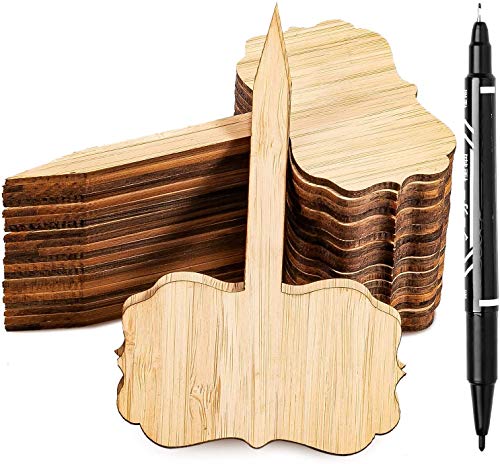
Best for: eco-conscious gardeners seeking natural, decorative signs for seed trays, pots, and herb beds. Made from 100% bamboo, these markers are renewable and gentle on the environment. They offer two-sided writing space and come with a marker. A limitation is that bamboo can wear over time in very wet conditions, so replacement may be needed for high-moisture areas.
UPINS 24Pcs Acrylic Plant Labels
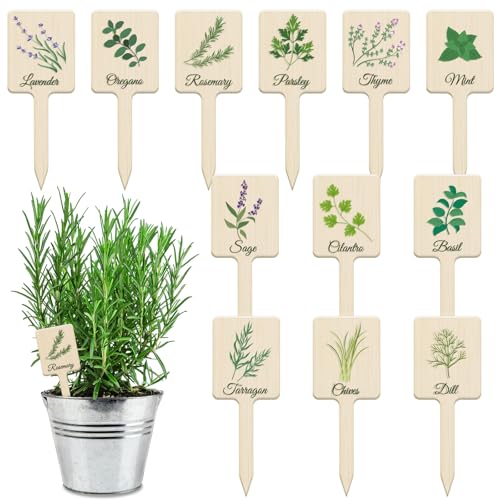
Best for: indoor/outdoor gardeners who want clearly printed names and varied label styles. The set includes 24 pieces in 12 different designs, with durable acrylic material that resists fading and weather. Each label offers a smooth writing surface and good readability. Choose this if you prefer visual variety and easy color-coded organization; caution: acrylic can crack under severe impact or cold extremes.
Zkptops Wooden Plant Labels

Best for: traditional gardens and potted plants that benefit from a natural wood look. These 6-inch wooden markers are biodegradable and blend well with soil and mulch. They are easy to write on and designed to resist weather with durable wood. Caution: writing may wear over long periods in extreme sun, so re-labeling can be necessary in hot climates.
Buying Guide: Key Considerations For Plant Labels
What material suits my climate?
Metal markers are strong in rain-prone areas but can show wear on rough soil. Bamboo is eco-friendly and decorative, yet may degrade faster in persistent moisture. Acrylic markers are durable and readable but can crack in cold, impact-prone environments. Wood offers a natural aesthetic but requires maintenance in high moisture. Balance durability with garden style when choosing.
How readable should my labels be?
Look for larger label areas and high-contrast writing surfaces. White ink on black metal, dark ink on light labels, or pre-printed names help quick identification from a distance. Consider double-sided or multi-station markers for dense plantings.
Is reusability important?
Reusable markers save money over time and reduce waste. Metal and acrylic options typically offer easier reusability. If you rotate crops seasonally, opt for markers that wipe clean or print labels that can be swapped with minimal effort.
What installation method works best?
Markers with stable stakes or T-shaped bases minimize root disturbance and wind displacement. In sandy soil, longer stakes or wider bases improve stability. Always ensure the marker height keeps names readable without bending or tilting.
How many signs do I need?
Estimate 1–2 signs per bed section or plant variety. A larger garden may require 20–60 signs. Many sets include multiple styles and colors, which can help organize by category (herbs, vegetables, ornamentals) or by planting date.
Care and maintenance tips
Wipe metal markers after rain to prevent mineral buildup. For wood and bamboo, avoid prolonged soaking to prevent warping. Acrylic labels can be cleaned with a damp cloth. Replace worn markers promptly to maintain readability and garden tidiness.
FAQ: Quick Answers For Buyers
- Are metal plant markers ruined by rain? No, high-quality metal markers are designed to be waterproof and rustproof, though occasional cleaning helps maintain legibility.
- Should I use wooden labels for an indoor herb garden? Yes, wooden labels blend well with indoor greenery and can be written on easily, giving a natural look.
- Can I write on acrylic plant labels with any pen? Most acrylic labels respond well to standard markers or pens; check for compatibility with the pen type to avoid smudging.
- How many plant signs do I need for a small balcony garden? For a balcony with 6–12 planters, 12–24 signs generally suffice, depending on plant variety and labeling style.
- Do bamboo labels last outdoors? They last well in moderate outdoor use, but prolonged moisture can shorten their life; consider alternative materials for very wet climates.
- Are there color-coded options? Yes, many sets offer varied colors or multiple designs to help distinguish plant groups at a glance.