Answering the question “Which plants are best for hedges?” this guide highlights five practical options for American landscapes. Each choice serves distinct needs—from fully evergreen privacy to quick-screening growth—so buyers can select the best fit for space, climate, and maintenance. This overview targets homeowners wanting hedges, but also landscapers seeking reliable screening plants for yards, driveways, or borders.
Summary table of selected products:
| Product | Best For | Growth Habit | Key Benefit |
|---|---|---|---|
| Boxwood Wintergreen | Evergreen privacy, formal hedges | Medium, dense | Year-round structure |
| Hybrid Willow Tree Plants | Fast privacy and wind block | Very fast, tall | Rapid screening |
| Green Wall Willow Cuttings | Living privacy screens | Fast, dense when established | Low maintenance living barrier |
| Podocarpus Maki | Narrow hedges, foundation plantings | Upright, dense | Year-round foliage |
| Proven Winners Neatball Boxwood | Compact hedges | Smaller, evergreen | Control over hedge size |
Boxwood Wintergreen, 1 Gallon
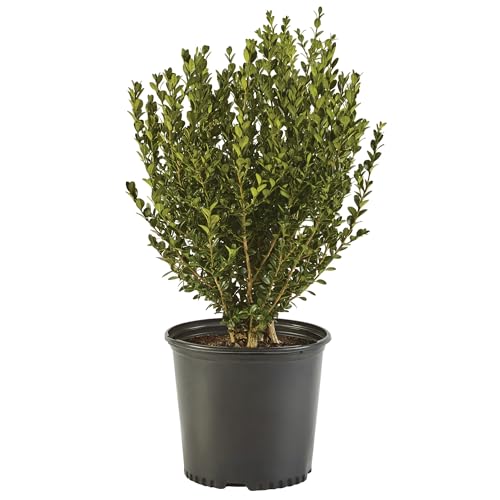
Best for classic, formal hedges in sun-drenched beds. Boxwood Wintergreen is an evergreen shrub with a moderate growth rate and a compact, dense habit that responds well to shearing. It provides year-round structure and a refined, traditional look. The plant is suitable for foundation plantings or low natural borders in residential landscapes. It is most effective when used in continuous rows or clipped into shapes to form a neat hedge.
Who it’s best for: homeowners wanting reliable green walls with predictable growth and a tidy appearance. Why selected: evergreen foliage maintains privacy even in winter, and its compact size supports controlled hedge designs. Caution: blooms are not a focal feature, so expect minimal floral display; sun exposure should be full sun for best vigor.
Hybrid Willow Tree Plants For Growing

Best for rapid privacy or wind protection in larger spaces. These Austree Hybrid Willow cuttings are marketed for very fast growth, with a potential height of 50-75 feet, though they can be kept shorter with regular pruning. They form a dense screen quickly and work well as a living windbreak or privacy barrier along property lines. Root systems are robust, contributing to erosion control and sound buffering in windy or open sites.
Who it’s best for: buyers needing quick, tall screening, especially in larger lots or new landscapes. Why selected: the stated growth rate offers a dramatic timeline for hedging, and the dense branch structure supports a solid privacy screen. Caution: extremely rapid growth can require regular trimming to maintain desired height and shape, and local climate constraints may influence success.
Green Wall Willow Privacy Tree Cuttings

Best for a fast-acting living fence with a natural look. Green Wall Willow cuttings provide a direct route to creating a dense privacy screen without waiting for slow-growing shrubs to mature. Planted as a row, these willows fill in quickly and offer good coverage for wind protection and noise reduction. They root easily and establish fast when placed 2-3 feet apart in suitable soil.
Who it’s best for: yard owners who want a rapid, soft-edged privacy barrier that blends with natural landscapes. Why selected: the combination of fast establishment and dense foliage makes this an efficient hedging option. Caution: willow species can require thoughtful maintenance to manage potential vigor and to ensure moisture and root space away from foundations or underground utilities.
Proven Winners 1 Gal. Neatball Boxwood Shrub

A compact evergreen option for tight spaces or low hedges. The Neatball Boxwood is described as a smaller shrub, suitable for forming neat, rounded hedges or borders in zones 5-9. Its compact habit helps maintain a controlled, tidy appearance in front yards, walkways, or foundation plantings, where longer hedges would feel overpowering.
Who it’s best for: homeowners seeking a low-maintenance hedge that stays compact and easy to shape. Why selected: evergreen foliage ensures year-round cover with predictable size, making it ideal for smaller plots or formal edging. Caution: mature size is still up to roughly 2 feet by 2 feet, so plan spacing to avoid crowding in dense plantings.
Buying Guide
What hedge goal do you have?
Decide whether you need year-round privacy, wind protection, or a visual border. Evergreen options like Boxwood Wintergreen or Podocarpus Maki provide winter cover, while fast-growers like Hybrid Willow or Green Wall Willow cuttings deliver quick screening to close gaps sooner.
What is your site like?
Consider sun exposure, soil type, and space. Full sun tends to maximize evergreen shrubs, while willows prefer areas with ample moisture and space to spread. Narrow spaces benefit from taller, upright hedges such as Podocarpus Maki.
Maintenance expectations
If you want minimal trimming, choose slower-growing, compact varieties. If a dynamic, tall screen is the goal and regular pruning is acceptable, fast-growing options will meet the deadline.
Climate and hardiness
Check USDA hardiness zones for each plant. Some boxwoods and Podocarpus varieties perform well in many zones, while willow varieties can require specific climate conditions to thrive.
Material choices: live plants vs. artificial panels
Live plants provide seasonal texture and evergreen coverage, with ongoing maintenance. Artificial panels, like some boxwood alternatives, offer instant privacy with zero upkeep but may lack the natural aesthetics and environmental benefits of living hedges.
Planting and care basics
- Space hedges according to mature width to avoid crowding.
- Mulch to retain soil moisture and suppress weeds.
- Water newly planted hedges regularly until established.
- Prune to maintain desired shape and height; avoid heavy pruning during extremes of heat or cold.
FAQ
- Q: What’s the fastest hedge option for privacy? A: Hybrid Willow Trees and Green Wall Willow cuttings typically provide rapid screening, especially in larger landscapes.
- Q: Which hedge is best for a formal look? A: Boxwood varieties, including Boxwood Wintergreen, offer a classic, tidy hedge when pruned regularly.
- Q: Are there low-maintenance hedge choices? A: Compact boxwoods and certain evergreen shrubs require less frequent trimming than fast-growing willows.
- Q: Can I mix hedge types? A: Yes, combining evergreen hedges with fast-growing screens can create layered privacy and year-round interest.
- Q: Do these hedges tolerate coastal or hot climates? A: Most evergreen boxwoods and podocarpus varieties handle a range of conditions, but check local climate suitability before planting.
- Q: When is the best time to plant hedges? A: Early in the growing season, after the last frost, is ideal for root establishment and growth.