Basement spaces often lack natural light and may feel stuffy without the right greenery. This article highlights five easy-care, low-light indoor plants that thrive in basement apartments, helping improve air quality, add color, and create a welcoming atmosphere. Each option includes practical care notes and how it can fit into compact living spaces.
| Product | Type | Light Preference | Size Range |
|---|---|---|---|
| Live Snake Plant, Sansevieria Zeylanica | Snake Plant | Low to bright indirect light | Up to 2–3 ft |
| Monstera Adansonii | Monstera | Low to medium light | Vines, several feet |
| Essential Houseplant Collection (3PK) — Plants for Pets | Assorted (Snake Plant, Pothos, etc.) | Low to moderate light | 4.25″ pots |
| Essential Houseplant Collection (3PK) — Altman Plants | Assorted | Low to medium light | 4″ grower pots |
| Money Tree Plant Indoor House Plants | Pachira | Low to bright indirect light | 6″ pot |
Live Snake Plant Sansevieria Zeylanica

The Sansevieria Zeylanica, commonly called the Mother-in-Law’s Tongue, is a perennial evergreen known for its upright, sword-shaped leaves. Its rugged structure and low-light tolerance make it a top choice for basements. The plant features rippled green tones and dense foliage that can reach up to two to three feet tall, providing height and texture without demanding intense care. It persists for years when properly cared for and helps improve indoor air quality with minimal maintenance.
Monstera Adansonii Real Indoor Plants
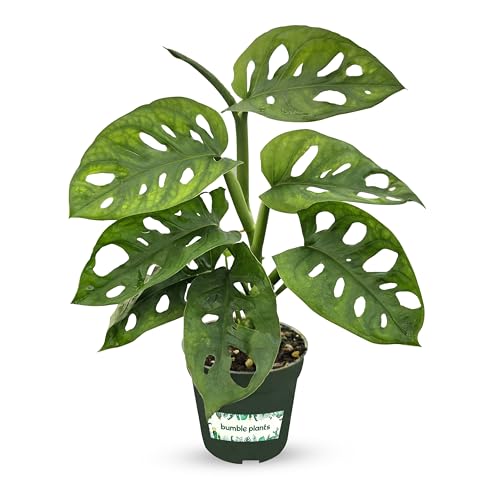
The Monstera Adansonii adds distinctive tropical charm with perforated leaves that bring visual interest to any basement living space. This plant adapts well to indoor environments and can thrive with limited sunlight, making it suitable for lower-light apartments. It grows well in living rooms, bedrooms, or office corners and serves as a stylish focal point or conversation starter. While it enjoys some light, it remains resilient in dimmer spaces when given consistent care and humidity.
Essential Houseplant Collection (3PK) — Plants for Pets

This 3-pack offers a mix of easy-care indoor plants in 4.25″ pots, including varieties like Sansevieria and Pothos. Height varies between 7 to 10.5 inches, providing compact options suitable for shelves, desks, or tabletops in basements. The included plants are selected for compatibility with low-light conditions and pet safety, helping create a simple, low-maintenance green presence for small living spaces.
Money Tree Plant Indoor House Plants

The Money Tree (Pachira) is a popular choice for basements, offering a touch of luck-inspired decor and a robust, easy-care profile. Presented in a 6-inch pot, these plants are suitable for desk corners or floor spaces where stability and visual appeal are valued. They’re generally forgiving of indoor conditions and can tolerate lower light while still contributing to air freshness and a calming, natural ambiance.
Altman Money Tree Decor (1.5 ft)

The Altman Money Tree offers a similar pachira plant with a clean white planter, designed to fit contemporary basement aesthetics. It’s pet-friendly and easy to grow, making it suitable for home offices or living areas where you want a decorative, low-maintenance green accent that doesn’t demand frequent repotting or heavy care.
Easy to Grow Houseplants (24 Pack)

This 24-pack provides a growers’ choice selection of easy-care houseplants, including Fittonia, Pothos, Dieffenbachia, and Aralia among others. While designed for versatile decor, these plants are particularly well-suited to basement setups thanks to their adaptability to lower light and the variety they offer for creating layered plant displays. They work well in shelves, desks, or soft corners where green accents are desirable without high maintenance.
Buying Guide: Key Purchase Considerations for Basement Planting
- Light availability: For basement spaces with limited natural light, prioritize hardy low-light species like snake plants, pothos, and certain Calathea varieties. Consider supplementing with LED grow lights if possible.
- Watering cadence: Basement environments can be cooler and slightly drier or more humid depending on drainage. Choose plants with forgiving watering needs and check soil moisture regularly to avoid overwatering.
- Container and drainage: Use pots with drainage holes and saucers to prevent water pooling. Self-watering pots can help maintain steady moisture for low-light plants.
- Air quality and humidity: Plants like Sansevieria and pothos help with air purification. In drier basements, group plants and consider a small humidifier to support tropical species.
- Space planning: Measure available floor and shelf space. Choose a mix of tall, medium, and trailing varieties to maximize visual impact in compact areas.
- Pet safety: If you have pets, select non-toxic options or place plants out of reach. Several collections emphasize pet-friendly choices.
- Maintenance and care: Look for varieties labeled as low maintenance. Label care routines with light, water, and feeding guidance to simplify ongoing upkeep.
- Growth expectations: Some basement plants stay compact, while others like Monstera Adansonii can vine and spread. Plan for eventual training or pruning to fit the room.