Create a thriving butterfly garden with a curated mix of milkweed and nectar-rich wildflowers. This guide highlights five top options—ranging from milkweed essentials to vibrant pollinator mixes—designed to attract monarchs, bees, and other pollinators. Each pick includes practical notes on growth, bloom times, and how it supports butterfly life cycles.
| Product | Brand | Why It Shines |
|---|---|---|
| Seed Needs Milkweed Seeds Collection | Seed Needs | Diverse milkweed varieties for monarchs and caterpillars |
| Wildflower Seeds Hummingbird & Butterfly Mix | Groundio | 24 varieties for extended bloom and broad pollinator appeal |
| HOME GROWN Monarch Butterfly Wildflower Mix | HOME GROWN | Large, nectar-rich mix with perennial returning blooms |
| Monarch Rescue Mix | SWEET YARDS | Specially blended for monarchs with milkweed and nectar flowers |
| Cam a s Pollinator Seed Kit | CAMAS POLLINATOR SUPPLY CO. | Milkweed-focused kit plus fall/spring planting flexibility |
Seed Needs Milkweed Seeds Collection
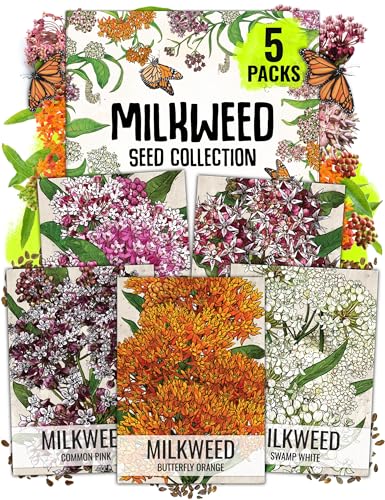
The Seed Needs collection focuses on five milkweed species—Showy Milkweed, Pink Swamp Milkweed, White Swamp Milkweed, Orange Butterfly Milkweed, and Common Milkweed. Milkweed is essential for monarchs, providing nectar for adults and foliage for caterpillars. This variety pack supports monarch life cycles and biodiversity in a garden ecosystem. The seeds are open-pollinated and suitable for filling a habitat with nectar-rich blooms that monarchs rely on during migration and breeding. For best results, follow stratification and sowing guidance appropriate to each milkweed type.
Wildflower Seeds Hummingbird & Butterfly Mix

This 1-ounce mix contains 24 varieties of annual, perennial, and biennial flowers designed to attract butterflies, bees, and hummingbirds. With a high germination rate and no filler, the seeds are optimized for quick establishment and long-lasting color from spring through summer. Plants in this blend typically reach 12 to 48 inches in height, covering substantial garden space (approximately 194 square feet). Expect germination within 5–10 days and flowering in about 35–75 days, depending on conditions. A great option for quick, vibrant pollinator coverage.
HOME GROWN Monarch Butterfly Wildflower Mix

This 2-ounce blend provides more than 20,000 wildflower seeds that combine nectar-rich blooms with milkweed content to support monarchs, bees, and hummingbirds. The mix promises season-long color with blooms from spring through fall and includes butterfly weed seeds, milkweed seeds, and perennial varieties that return annually. It’s designed for easy growth—simply broadcast the seeds, lightly rake, and water. Suitable for both beginners and experienced gardeners, this kit aims to establish a resilient, biodiverse habitat with ongoing floral displays.
Monarch Rescue Mix

Presented as a large 1-ounce packet, this mix provides over 11,000 pure live seeds designed to transform about 125 square feet into a pollinator-friendly habitat. It blends nectar plants with host plants suited for monarchs, offering a mix of milkweed and nectar-rich flowers. The seeds are described as fresh with high germination potential. The kit is aimed at creating a vibrant, monarch-focused garden that also supports other pollinators, making it a practical option for hobbyists and more extensive pollinator projects alike.
Butterfly Milkweed Seeds (Asclepias Tuberosa)

Butterfly milkweed (Asclepias tuberosa) offers showy orange blossoms and reaches about 12–18 inches tall. It is a native perennial well-suited for monarch habitats, providing essential nectar and larval resources. The seeds are non-GMO and open-pollinated, with notes on stratification to improve germination. This option emphasizes monarch support while contributing to a diverse meadow-like appearance in your garden. It is ideal for gardeners who want reliable yearly blooms that attract monarchs and other pollinators.
Buying Guide: Key Considerations For Choosing Butterfly-Friendly Plants
When selecting plants to support butterflies, consider life cycle needs, bloom timing, and local climate. Milkweed is critical for monarchs, while nectar-rich flowers attract a broad range of pollinators and extend insect activity across seasons. Here are several factors to compare across options:
- Monarch support: Prioritize milkweed varieties and mixes containing Asclepias species, which provide larval hosts and adult nectar.
- Blooms and nectar: Look for plants with long blooming periods and varied flower colors to attract diverse pollinators.
- Growth habit: Choose a mix that fits your space—compact varieties for containers or borders, taller varieties for back borders and focal points.
- Germination and maintenance: Favor seeds with high germination rates and clear sowing instructions; consider ease of care for beginners.
- Perennial vs annual: Perennials reduce replanting needs and support pollinators year after year, while annuals provide immediate color.
- Climate compatibility: Check regional zones and frost tolerance to ensure plants survive winters and flourish in summers.
- Organic and non-GMO considerations: If preferred, select open-pollinated, non-GMO seeds that align with sustainable gardening practices.
Buying choices should balance immediate impact with long-term habitat value. A well-designed mix that includes milkweed along with a broad nectar bouquet will provide continuous forage, support monarch life cycles, and attract a wide spectrum of pollinators to your landscape.