Transform your yard into a living butterfly sanctuary with a thoughtful mix of nectar-rich flowers and monarch host plants. This guide highlights top seeds and plant choices that attract monarchs, bees, and hummingbirds, while offering easy-start options for beginners and seasoned gardeners alike. Each selection emphasizes pollinator-friendly varieties, seasonal bloom cycles, and practical growing tips to support local biodiversity.
| Product | Why It Helps | Key Features |
|---|---|---|
| HOME GROWN Monarch Wildflower Seeds Mix (2oz) | Massively boosts habitat with thousands of seeds, creating lasting nectar and host plant diversity. | 20000+ seeds, milkweed mix, perennial wildflowers, season-long color, easy broadcasting |
| SURVIVAL GARDEN SEEDS Butterfly Milkweed Seeds | Delivers essential monarch host plants with non-GMO, heirloom stock for authenticity and resilience. | Asclepias tuberosa, 12-18″ tall, orange flowers, cold stratification guidance |
| CAMAS POLLINATOR SUPPLY CO. Monarch Garden Kit | Specially curated mix to boost pollinator presence and provide educational value with free resources. | Milkweed plus wildflower seeds, optional e-book, enhances biodiversity |
| Sow Right Seeds Butterfly Milkweed Seeds | Reliable perennial host plant that supports monarch life stages and attracts a range of pollinators. | Non-GMO, 24-40″ tall, 100 seeds per packet, 10-15 days germination |
| Seed Needs Milkweed Seed Collection | Versatile variety pack offering several milkweed types to attract monarchs and diversify habitat. | Pink, orange, white Asclepias varieties, 5 packs, pollinator-focused |
HOME GROWN Monarch Wildflower Seeds Mix

The HOME GROWN seed mix is designed to create a pollinator paradise across beds and meadows. With over 20,000 seeds, it combines milkweed and perennial wildflowers that attract monarchs, bees, and hummingbirds. The blend provides continuous color from spring through fall, featuring orange, purple, yellow, and white blooms. Germination typically occurs within 7-14 days, making it a quick-start option for new garden spaces. Coverage and appearance improve over seasons as plants establish, delivering lasting beauty with minimal maintenance.
Growing tips emphasize simple broadcasting and light raking, followed by regular watering. This seed mix is particularly well-suited for beginners who want a low-effort path to a vibrant butterfly garden, while still offering enough variety to support multiple pollinators over time.
Butterfly Milkweed Seeds by Survival Garden Seeds

These butterfly milkweed seeds focus on Asclepias tuberosa, a bushy perennial known for its vivid orange flowers and monarch compatibility. The plant grows to about 12-18 inches tall and serves as a crucial nectar source and larval host for monarchs. The listing notes the importance of milkweed in supporting monarch life cycles and recommends cold stratification to improve germination rates. This seed set is ideal for gardeners aiming to establish a robust monarch habitat with a classic, native look.
For best results, indoor germination can be boosted by a simple stratification process—use a damp paper towel, refrigerate for 2-3 weeks, then sow. Outdoors, sow shallowly in full sun after the risk of frost passes. The seeds’ non-GMO heritage and heirloom nature add an element of conservation appeal for gardeners prioritizing sustainable growing practices.
Monarch Garden Kit With Milkweed Seeds – Camas Pollinator Supply Co.

This garden kit offers a curated mix designed to maximize pollinator activity, combining milkweed seeds with nectar-rich wildflowers. It emphasizes a direct, practical approach to creating a monarch-friendly space, with guidance on how to start and manage a garden that supports monarchs from egg to butterfly. The kit is positioned as both a habitat builder and an educational resource, helping gardeners understand pollinator dynamics while establishing a welcoming environment for monarchs and other pollinators.
Planting guidance highlights milkweed as a cornerstone for monarch survival, with an emphasis on providing continuous bloom throughout the growing season. The kit’s included materials help gardeners establish a resilient habitat that can endure seasonal changes and varying weather patterns, making it suitable for a wide range of American climates.
Sow Right Seeds Butterfly Milkweed Seeds

Sow Right Seeds offers a reliable butterfly milkweed option designed to attract monarchs and other pollinators. This non-GMO heirloom seed packet contains enough seeds to establish a sturdy host plant that grows to 24-40 inches tall and features orange star-shaped flowers. Germination typically occurs in 10-15 days when soil temperatures are warm enough, and spacing recommendations (18-24 inches apart) help gardeners design tidy, productive beds. The plant’s tall form provides vertical structure, complementing shorter nectar plants in a diverse pollinator garden.
The variety supports monarch life cycles by providing foliage for larvae and nectar for adults. Seed needs include straightforward planting instructions, making it accessible for gardeners seeking a pragmatic, science-backed approach to pollinator gardening.
Seed Needs Milkweed Seed Collection
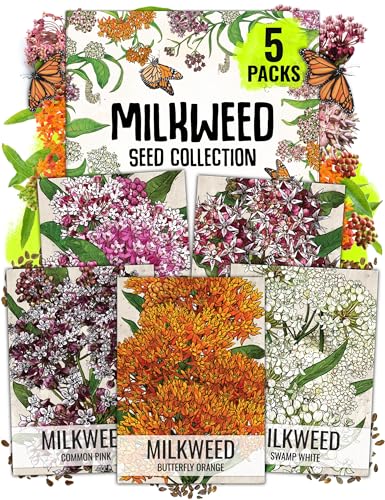
This collection bundles multiple milkweed varieties—pink, orange, and white swamp milkweed, plus common milkweed—providing a diverse nectar and larval food source. The five-pack structure supports broader habitat creation, increasing the likelihood of monarchs finding suitable resources across the garden. The seeds’ non-GMO status aligns with preferences for heirloom and conservation-focused plant material, while the blend’s diversity helps attract bees, butterflies, and other pollinators beyond monarchs.
Germination and maintenance notes emphasize standard garden practices: sow in full sun, keep the soil lightly moist, and anticipate a period of growth as plants establish. This variety pack suits gardeners seeking a flexible, multi-species approach to monarch conservation and pollinator support.
Buying Guide: Key Purchase Considerations For A Butterfly-Friendly Garden
Selecting seeds and plants for a butterfly garden requires balancing monarch needs with general pollinator health, climate compatibility, and ease of care. Here are essential factors to weigh before buying:
- Monarch host plants vs. nectar sources: Prioritize milkweed varieties for monarch caterpillars and include nectar-rich flowers (echinacea, coneflower, lantana, aster) to sustain adult butterflies across seasons.
- Regional climate suitability: Choose species suited to your USDA hardiness zone and typical weather patterns. Some seeds benefit from stratification or specific sowing windows; follow listed instructions for best results.
- Germination and growth timelines: Look for seeds with clear germination ranges (days, temperature, light requirements). Quick germination accelerates habitat establishment, while longer-lived perennials provide lasting habitat.
- Maintenance and accessibility: Beginners benefit from easy-to-grow mixes with low watering needs and drought tolerance. Consider soil type, sun exposure, and irrigation options to maintain a thriving garden with minimal effort.
- Diversity and year-round color: Combine flowers with staggered blooming periods to maintain nectar sources from spring through fall. A layered habitat plan supports a broader spectrum of pollinators and ecological resilience.
- Conservation and sourcing: Prefer non-GMO, heirloom, or certified seed sets when possible. Reputable brands with seed collection offers and educational resources can enhance your garden’s long-term success.
By selecting a balanced mix of milkweed for monarchs and nectar-rich perennials or annuals, your butterfly garden can become a reliable hub for conservation and pollination. Consider starting with one of the curated kits or seed collections above, then gradually add more plant varieties as your space and climate permit. With thoughtful planning, your yard can support monarchs, bees, hummingbirds, and other beneficial insects for seasons to come.