Answering the common question “which pond plants are best for goldfish and koi ponds?” this guide highlights floating and marginal species that help with water quality, shade, and biodiversity. The top picks below are suitable for beginners and seasoned pond keepers alike, with emphasis on natural filtration, easy care, and visual appeal. Best for readers seeking fast-establishing greenery, shade for goldfish, and simple, low-maintenance options.
Summary table of selected products (quick reference):
| Product | Best For | Notes |
|---|---|---|
| Chalily Water Hyacinth Floating Pond Plants | Beginners, quick coverage | Fast-growing, natural filtration |
| Golden Water Poppies (Hydrocleys Nymphoides) | Water gardens, biofilters | Grows via bare root; care in extreme weather |
| AquaLeaf Aquatics Floating Flowering Plant | Shade, surface coverage | Natural filtration and water coverage |
| Aquarium Plants Discounts Bundle | Value bundle | Mix of water lettuce and hyacinths |
| Chalily Arrow Arum | Elegant marginal plant | Showy foliage and wildlife interest |
Chalily Water Hyacinth Floating Pond Plants

Best for beginners and fast coverage, Chalily Water Hyacinth provides glossy, floating leaves that spread quickly across the pond surface. Its rapid growth helps shade the water, reduces algae by limiting light, and contributes to natural filtration through the floating root systems. The plant can produce sporadic lilac blooms, adding color when in season. Choose this if you want an instant green canopy with minimal setup and simple care. A potential limitation is that some states restrict shipping of flowering aquatic plants, so check local regulations before purchase.
Golden Water Poppies (Hydrocleys Nymphoides)
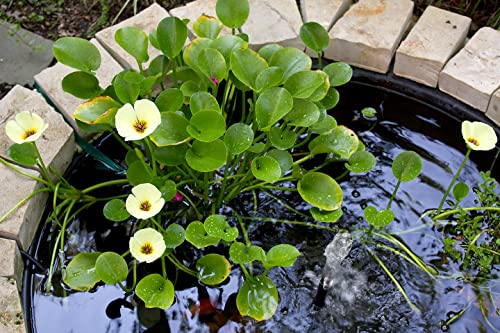
Best for water gardens that benefit from natural biofilters, Golden Water Poppies are bareroot plants that can float or be planted in aquatic soil. They help clear water by absorbing nutrients, supporting better clarity. However, extreme temperatures impact live plants. Do not order in conditions expected to exceed 100°F or drop below 20°F; otherwise, plants may suffer. This option is ideal for ponds that experience moderate climates and where you want a hardy, eye-catching addition with biofilter benefits.
Floating Flowering Plant, Common Water Hyacinth

Best for rapid surface coverage and natural filtration, this common water hyacinth offers shade and shelter for fish while promoting nutrient uptake to help keep water clear. It is a straightforward addition for ponds needing quick surface fill and erosion protection. The plant helps control nitrates and ammonia when merged into a broader plant strategy. Note that hyacinths multiply quickly, so monitor spacing to avoid overcrowding.
3 Water Lettuces and 3 Water Hyacinths Bundle

Best as a value bundle for mid-size ponds, this kit combines water lettuce with hyacinths to provide fast surface coverage and robust biofiltration. The plants are grow-ready and ready to reproduce, helping to stabilize nutrients. Use this if you want a balance of texture and shade across the pond surface. Limitation: bundles may require careful spacing to prevent overcrowding and competition for light.
Floating Plants for Water Gardens and Ponds (Water Lettuce)

Best for adding life and filtration to a water garden, Water Lettuce provides essential surface coverage and biofiltration. It’s easy to float and maintain, helping to clear water naturally. The plant type is ideal for ponds needing shade on hot days and a simple way to regulate light penetration to discourage algae growth. Caution: handling floating lettuces requires light, so ensure adequate light exposure for healthy growth.
Chalily Arrow Arum

Best for a striking marginal presence, Arrow Arum delivers arrowhead foliage that adds a tropical look along the pond edge. It’s a low-maintenance, sun- or shade-tolerant plant suitable for shady margins or sunlit borders. The plant features unique flowers and seed heads that can attract wildlife, especially ducks. A caveat is that marginal plants require sufficient edge space and occasional pruning to maintain neat aesthetics.
Water Hyacinth (Live Plant)

Best for rapid surface spread and dramatic display, this Eichhornia crassipes variety is a classic floating plant. It grows quickly to cover water surfaces, providing shade and helping control nutrient levels in the pond. Best used as part of a balanced plant scheme to prevent overgrowth and to ensure adequate oxygen exchange at night. A limitation is that in very crowded ponds, hyacinths may compete with other plants for light and space.
Buying Guide: Key Purchase Considerations
- Plant type and pond goal: Floating plants offer surface cover and filtration, while marginal plants add structure along the edges. Match to whether you want shade, filtration, or aesthetic borders.
- Climate and seasonal care: Some species struggle in extreme temperatures. Plan replacements or seasonal adjustments based on local weather patterns.
- Space and maintenance: Consider pond surface area to determine how many plants are appropriate. Overcrowding reduces oxygen exchange and can encourage algae.
- Water chemistry compatibility: Floating plants help sequester nutrients; ensure your pond has balanced ammonia, nitrite, and nitrate levels, alongside proper aeration.
- Regulatory and shipping notes: Some live aquatic plants face state shipping restrictions or seasonal availability. Verify local regulations before ordering.
FAQ
- What plant is best for beginners in a goldfish pond? – Floating plants like water hyacinth are typically easiest to establish and provide quick surface coverage for shade and filtration.
- Do these plants help with pond water clarity? – Yes, many listed options act as natural biofilters, absorbing nutrients and reducing algae.
- Can I mix floating plants with marginal ponds plants? – Yes. Use a balanced combination to cover surfaces and edge planting for structure, while avoiding overcrowding.
- Are there safety concerns for goldfish and koi with these plants? – Most listed plants are non-toxic and beneficial, but always verify local advisories and avoid invasive varieties in sensitive climates.
- How do extreme temperatures affect these plants? – Extreme heat or cold can stress live aquatic plants; select varieties suited to your climate and provide appropriate protection or seasonal replacements.
- What maintenance is required after planting? – Regular trimming of overgrown plants, checking water parameters, and ensuring adequate aeration keeps the ecosystem balanced.