Hydroponic tower gardens offer compact, vertical farming solutions that let you grow herbs, leafy greens, and small fruits indoors or on balconies. This article highlights five top hydroponic tower systems and explains key purchase considerations to help you choose the right setup for space, budget, and growing goals.
Summary of featured products:
| Product | Brand | Key Benefit | Pods / Plants Capacity |
|---|---|---|---|
| SJZX Hydroponics Growing System Kit | sjzxuv | Compact, kid-friendly learning with smart watering | 30 planting holes |
| ALTO GARDEN GX Hydroponic Tower | ALTO GARDEN | Self-contained, self-lighting with organic, farm-to-table focus | 24 net pots |
| Gardyn Studio 2 | GARDYN | AI-assisted monitoring and compact modern design | 16 plants |
| DPROOTS Hydroponic Tower | DPROOTS | Large 45-plant capacity with efficient water circulation | 45 pods |
| LMRXOFE Hydroponic Tower | LMRXOFE | Integrated grow lights and automatic watering | 30 plants |
SJZX Hydroponics Growing System Kit

The SJZX Hydroponics Growing System Kit features a 5-layer vertical design with 30 planting holes, offering a space-saving footprint for indoor and outdoor use. It emphasizes educational value for students and hobbyists, enabling year-round growth of herbs, vegetables, and fruits. A smart timer allows remote watering and automation via a smartphone, supporting efficient maintenance and consistent harvests.
ALTO GARDEN GX Hydroponic Tower

The ALTO Garden GX is a fully contained system featuring self-watering and self-lighting capabilities. Its tower walls are built to be thick and durable, with a solid 360-degree design on each layer to prevent leaks. The no-subscription model appeals to users who want to grow organic, farm-to-table produce without ongoing fees, while the wide-spaced pot design helps plants reach full size without crowding.
Gardyn Studio 2 Hydroponics Growing System
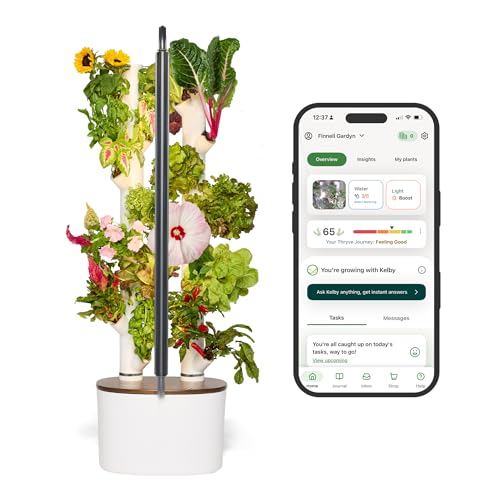
The Gardyn Studio 2 emphasizes space efficiency and smart technology. It grows up to 16 non-GMO plants within a compact footprint, with seal-protected columns to minimize maintenance. An ultra-wide camera and AI assistance help monitor plant health and provide care tips, making it suitable for apartments, kitchens, and offices seeking a decorative yet productive indoor garden.
DPROOTS Hydroponic Tower

The DPROOTS tower stands out with a 45-pod capacity, allowing diverse plantings such as lettuce, basil, and strawberries. A 59″ head pump provides even water distribution across all pods, while a 10-liter reservoir supports longer growth cycles. The built-in timer and a folding funnel simplify water management and refilling while maintaining a compact footprint for indoor or greenhouse use.
LMRXOFE Hydroponic Tower With Grow Lights

The LMRXOFE system combines a 30-plant capacity with a full-spectrum LED grow light and a circulating water system. It is designed for indoor or outdoor use in compact spaces, offering top-down watering to minimize waste. The included lighting cycle supports faster growth and healthier yields, making it a practical all-in-one option for year-round harvests.
Buying Guide: Key Purchase Considerations
When selecting a hydroponic tower, consider space, maintenance, and growth goals. Here are essential factors to compare:
- Space and footprint: Measure available floor or balcony space. Towers with multiple tiers maximize output in small areas but may require more headroom for tall units.
- Water management: Look for built-in pumps, timers, and reservoirs. Quiet operation and easy refilling reduce daily maintenance.
- Lighting: Indoor setups benefit from integrated grow lights or compatibility with external lighting. Full-spectrum LEDs support healthy plant development.
- Plant capacity and variety: Decide how many plants you want to grow and whether you’ll prioritise herbs, leafy greens, or fruiting crops. Higher pod counts offer more versatility but may require more energy and water.
- Automation and smart features: Timers, mobile app control, and AI monitoring can improve consistency and reduce labor, but evaluate ongoing costs and compatibility with your devices.
- Materials and durability: Look for watertight seals, corrosion-resistant components, and thick tower walls to prevent leaks and extend life.
- Maintenance: Consider cleaning requirements, ease of seedling transplantation, and whether the system uses a self-contained reservoir or requires external water sources.
- Learning value: Some systems emphasize education for kids and beginners, which can be a deciding factor for homes with students or classrooms.
- Price versus features: Compare upfront costs with features like automation, grow lights, and batch yields to determine long-term value.
- Support and warranties: Check manufacturer support, replacement parts availability, and warranty terms for peace of mind.
Overall, choose a system that matches your space, desired plant variety, and willingness to engage with automation. A compact, well-supported tower with reliable watering and lighting tends to deliver the most consistent results for year-round indoor growing.