Creating a thriving monarch butterfly garden starts with choosing the right plants. Monarchs rely on milkweed as the host for their caterpillars and nectar-rich flowers for adult feeding. This guide highlights five top seed and flower mixes designed to attract monarchs, support their life cycle, and enhance garden biodiversity. Each selection below is suitable for American gardens and offers varying bloom times, maintenance needs, and growth habits to fit different spaces and climates.
| Product | Brand | What It Does |
|---|---|---|
| Seed Needs Milkweed Seeds | Seed Needs | Mix of pink, orange, and white Asclepias milkweed seeds to attract monarchs and provide larval host plants. |
| HOME GROWN Monarch Butterfly Wildflower Mix | HOME GROWN | Large 2 oz bag with 20,000+ seeds including milkweed and nectar flowers for all-season color and pollinators. |
| Gardeners Basics Milkweed Seeds 4 Variety Pack | Gardeners Basics | Four varieties of milkweed seeds to support monarchs and pollinators with diverse habitat. |
| Monarch Butterfly Rescue Wildflower Seed Packet | Beauty Beyond Belief | Open-pollinated mix designed to attract monarchs with host plants and nectar flowers. |
| Monarch Butterfly Garden Kit With Milkweed Seeds | CAMAS POLLINATOR SUPPLY CO. | Perennial and annual wildflower seeds with milkweed, designed for pollinator gardens and monarch habitat. |
Note: All selections emphasize monarch-friendly flora, including milkweed species and nectar sources. This table provides a quick snapshot to help compare options at a glance.
Seed Needs Milkweed Seeds Collection
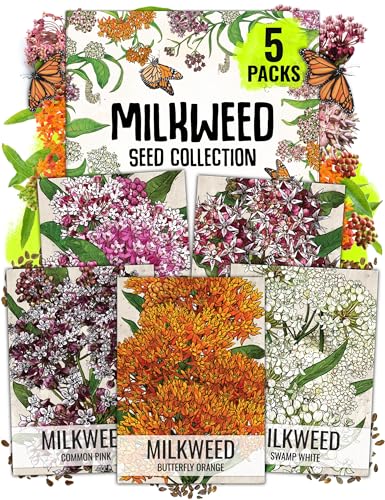
- Pollinator Attraction: Milkweed flowers attract monarchs and other pollinators, and provide essential host foliage for larvae.
- 5 Packets Included: Showy Milkweed (Asclepias speciosa), Pink & White Swamp Milkweed (Asclepias incarnata), Orange Butterfly Milkweed (Asclepias tuberosa), and Common Milkweed (Asclepias syriaca).
- Ecological Importance: Milkweed supports monarch life cycles and biodiversity within ecosystems.
Product features emphasize monarch support through a diverse mix of milkweed species, which increases the chances of successful reproduction and larval survival in various garden conditions.
HOME GROWN Monarch Butterfly Wildflower Mix

- POLLINATOR PARADISE: More than 20,000 wildflower seeds including milkweed and nectar-rich plants.
- SEASON-LONG COLOR: Continuous blooms from spring through fall with orange, purple, yellow, and white flowers.
- EASY GROWING: Simple broadcasting of seeds; suitable for beginners and experienced gardeners alike.
The mix is designed to create expansive habitats that support monarchs and other pollinators by combining host plants with nectar sources in a low-maintenance package.
Gardeners Basics Milkweed Seeds 4 Variety Pack
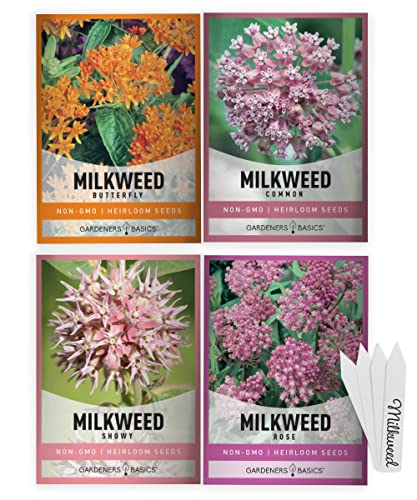
- POLLINATOR GARDEN: Milkweed as the core plant to establish a butterfly garden that nourishes monarchs and other pollinators.
- VARIETIES: Four varieties included—rose, butterfly, common, and showy milkweed for diverse habitat creation.
- SAVES BUTTERFLIES: Milkweed is essential for monarch survival, supporting both reproduction and larval development.
With multiple milkweed options, this pack enhances resilience to local weather and soil conditions while broadening nectar sources for adult monarchs.
Monarch Butterfly Rescue Wildflower Seed Packet

- High Quality Seeds: Open-pollinated, non-GMO seeds with detailed planting instructions.
- Attract Monarchs: Mixed perennials and annuals designed to lure monarchs through nectar and suitable host plants.
- Pure Seed Packet: 100% seed content with guidance for germination and garden planning.
Designed to deliver a reliable seed blend that supports monarchs from spring through fall while providing a visually appealing pollinator habitat.
Monarch Butterfly Garden Kit With Milkweed Seeds

- Milkweed-Based Kit: Includes milkweed seeds plus nectar-focused wildflowers for a complete monarch garden.
- Perennial and Annual Mix: Provides both lasting and seasonal blossoms to sustain monarchs over multiple years.
- Pollinator-Focused: Designed to boost local biodiversity and encourage monarch larvae growth.
This kit emphasizes a practical approach to monarch conservation by combining essential host plants with nectar sources in a ready-to-plant format.
Buying Guide: Key Purchase Considerations For Monarch Gardens
-
<liMilkweed species and suitability: Different milkweed varieties (common, showy, butterfly weed, etc.) perform better in distinct climates and soils. Choose a mix that includes both essential host plants and nectar sources to maximize monarch life cycle success.
<liBloom times and habitat diversity: Select a combination of plants with staggered bloom periods to provide nectar for monarchs throughout the season. Perennial options offer lasting habitat, while annuals provide quick color and nectar.
<liGermination and growth requirements: Check germination times, cold stratification needs, and light/soil preferences. Some seeds require stratification or warmer soils, while others germinate quickly with minimal care.
<liLandscape fit and space: Consider garden size, sun exposure, and water availability. Milkweed varieties differ in height and spread; plan for mature plant size to avoid overcrowding.
<liMaintenance and resilience: For low-maintenance gardens, prioritize drought-tolerant milkweeds and nectar flowers that require less watering and fewer interventions after establishment.
<liBiodiversity benefits: Incorporate a mix of native nectar plants to support a wider range of pollinators, not just monarchs, improving overall garden resilience.
<liNon-GMO and seed quality: Favor open-pollinated, non-GMO seeds from reputable brands to ensure ecological compatibility and seed vigor.
<liEducational value and resources: Some kits include planting guides or e-books about monarch waystations and milkweed propagation, which can aid beginners and experienced gardeners alike.
<liSeasonal accessibility: Plan for spring planting windows and consider fall plantings where appropriate to establish monarch habitats before peak breeding seasons.
These considerations help ensure a balanced approach that supports monarch survival while delivering ongoing garden value for homeowners and communities alike.