Xeriscaping is a water-wise landscaping method that focuses on using drought-tolerant plants to create beautiful, low-maintenance gardens. Selecting the right plants that thrive in dry conditions helps conserve water and supports sustainable gardening. Below is a summary table highlighting key features of selected xeriscaping plants ideal for American gardeners seeking attractive, resilient options.
| Plant | Type | Height | Sun Exposure | USDA Zones | Bloom Season |
|---|---|---|---|---|---|
| Violet Cleome Seeds | Annual Flower | 36-42 inches | Full Sun | 3-10 | Summer to Fall |
| Blue Hyssop Seeds | Perennial Herb | Up to 24 inches | Full Sun to Partial Shade | 3-9 | Summer |
| Lance-leaved Coreopsis Seeds | Perennial Flower | Varies (Clumping) | Full Sun | 3-9 | Late Spring to Early Fall |
| Lavender Blue Giant Hyssop Seeds | Perennial Herb | 26-32 inches | Full Sun to Partial Shade | 5-9 | Summer |
| Creeping Jenny Live Plant | Trailing Perennial | About 4 inches tall | Full Sun | Varies | Spring to Summer |
Outsidepride Violet Cleome Seeds – Large Airy Spider Flowers

The Outsidepride Violet Cleome grows between 36 and 42 inches, flourishing in USDA Zones 3-10. It thrives in full sun and prefers moist, well-drained soil but once established is highly tolerant of heat and drought, making it ideal for xeriscaping. Its large, airy violet blooms produce a spidery effect that adds visual interest from summer through fall. This plant works well as a garden focal point or a background feature in flower beds and borders. Its long blooming season and adaptability provide a striking color contrast in water-saving landscapes.
Outsidepride Blue Hyssop Seeds – Fragrant Drought-Tolerant Perennial
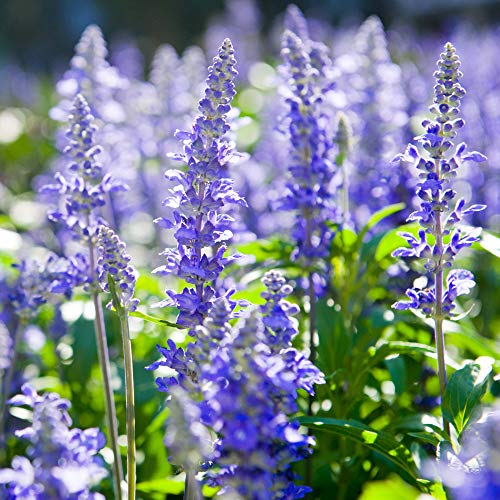
Blue Hyssop (Agastache) from Outsidepride is a drought-resistant perennial that can reach 24 inches. Suited for USDA Zones 3-9, it prefers well-drained soil and full sun to partial shade. It produces bright blue blossoms with a long summer blooming period and emits a sweet anise-like fragrance, making it ideal for herb gardens or xeriscaping. Its ability to self-seed allows it to propagate naturally, providing lasting garden color and attracting pollinators like bees and butterflies, which supports local biodiversity.
Outsidepride Lance-leaved Coreopsis – Golden Perennial Blooms

The Lance-leaved Coreopsis produces vibrant golden-yellow flowers highlighted by a reddish-brown eye, thriving in USDA Zones 3-9. This perennial is heat and drought tolerant, prefers full sun, and grows well in sandy or well-drained soils. Blooming from late spring to early fall, Coreopsis is a popular choice for wildflower and low-maintenance gardens. It attracts a variety of pollinators, is self-seeding, and requires minimal watering, making it a perfect candidate for xeriscaping projects aiming to add bright, persistent color.
Outsidepride Lavender Blue Giant Hyssop – Tall Perennial Herb

The Lavender Blue Giant Hyssop grows up to 32 inches tall and is adapted to USDA Zones 5-9. It prefers full sun to partial shade and well-drained soil. This perennial blooms vibrant lavender-orange flowers in summer and emits a sweet, anise-like fragrance. Its drought tolerance and perennial nature make it ideal for water-conscious gardening. The blooms attract pollinators such as hummingbirds and butterflies, enhancing garden ecology while contributing colorful vertical interest in xeriscaped beds and containers.
Live Lysimachia Plant – Creeping Jenny Trailing Ground Cover

Creeping Jenny (Lysimachia) is a live trailing plant that grows about 4 inches tall and spreads rapidly, making it suitable as a ground cover or trailing accent in xeriscape gardens. It thrives in full sun with moist, well-draining soil and adds vibrant yellow-green foliage to garden spaces. Due to its invasive growth habit, it should be managed properly. Its rapid spreading nature can effectively suppress weeds, add texture, and maintain moisture retention in water-conscious landscapes.
Buying Guide for Xeriscaping Plants
When selecting plants for xeriscaping, consider the following key factors to ensure success in your water-wise garden:
- Drought Tolerance: Choose plants that can survive extended dry periods once established. Deep root systems and water-saving adaptations are essential.
- Sun Exposure: Match plants to the available sunlight in your garden—full sun plants need 6+ hours daily, while some tolerate partial shade.
- USDA Hardiness Zones: Select species suited to your region’s climate to ensure plant survival through seasonal changes.
- Soil Type: Opt for plants that thrive in your garden’s soil, such as sandy, rocky, or well-draining soils common in xeric landscapes.
- Maintenance Needs: Favor low-maintenance perennials and self-seeding species to minimize watering, fertilization, and pruning.
- Bloom Season and Color: Consider flowering times to maintain continuous visual interest and to attract beneficial pollinators.
- Plant Height and Spread: Incorporate a variety of heights and textures for depth and garden dimension, ensuring they fit your landscape design.
- Ecological Benefits: Plants that attract pollinators support local ecosystems and garden health.
By focusing on these factors, you can build a sustainable, attractive xeriscape garden that conserves water without sacrificing beauty.