Need reliable plastic pipe for irrigation that’s easy to install and durable across seasons? This guide highlights five practical options for American gardeners and hobbyists. Each product is chosen for ease of use, compatibility with common fittings, and suitability for microirrigation or traditional sprinkler setups. See who each option is best for, plus quick pros and a caution to help you decide. The table below summarizes key points at a glance.
| Product | Best For | Notes |
|---|---|---|
| Mainline Drip Irrigation Tubing Poly Rigid Pipe | Long runs with 1/2 inch fittings | 100-foot length; high-quality polyethylene |
| ZY-hosetube Black Vinyl Tubing 3/4” ID × 1” OD | Low-pressure transfer and flexible runs | 10 feet; strong kink resistance |
| Cresline Polyethylene Pipe 1″ X 100′ | Drinking-water-grade piping needs | 100 psi; U.S.-made |
| ZY-hosetube 3/4″ ID – 25ft Black Vinyl Tubing | Short, flexible sections | 25 feet; durable and easy to cut |
| URATOT 40 Pieces Drip Irrigation Fittings Kit | Complete fittings set for 1/2″ tubing | Includes tees, elbows, end caps |
Buying purpose examples: homeowners planning a small garden drip system can mix the 1/2″ and 1″ options; hobbyists installing a temporary irrigation line might prefer the flexible vinyl tubing; those designing a longer, more permanent setup could opt for the 1″ polyethylene pipe. The selection below explains each product’s strengths and limitations to help you compare quickly.
Mainline Drip Irrigation Tubing Poly Rigid Pipe
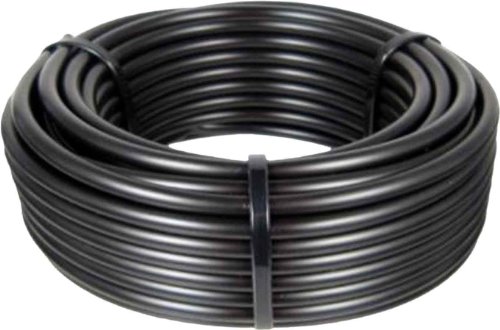
Best for: Gardeners and landscapers creating longer drip lines that need reliable 1/2-inch fittings. This product uses high-quality polyethylene tubing designed for commercial-grade irrigation layouts. It integrates easily with 1/2-inch barb drip fittings or .620 green end fittings, making it a solid choice for mid-scale installations.
Why selected: It provides a sturdy, durable mainline option with a consistent diameter for predictable flow. The 100-foot length minimizes joints in larger setups and reduces potential leak points.
Caution: Ensure compatibility with your chosen 1/2-inch fittings, as slight variances in barb sizing can affect fit. This is not a micro-tubing option for very small emitters.
ZY-hosetube Black Vinyl Tubing 3/4” ID × 1” OD

Best for: Flexible, low-pressure transfer and general purpose irrigation lines. The 3/4″ ID by 1″ OD design offers good flow while maintaining flexibility, ideal for runs that need some bending without kinking. Better for short to mid-length sections in garden beds and features where visibility and ease of handling matter.
Why selected: This vinyl tubing balances ease of installation with durability. It maintains flexibility in cooler environments and resists kinking due to its thicker wall.
Caution: Works best at lower pressures; not ideal for high-pressure zones or long mainlines without reinforcement.
Cresline Polyethylene Pipe 1″ X 100′ 100 Psi For Drinking Water
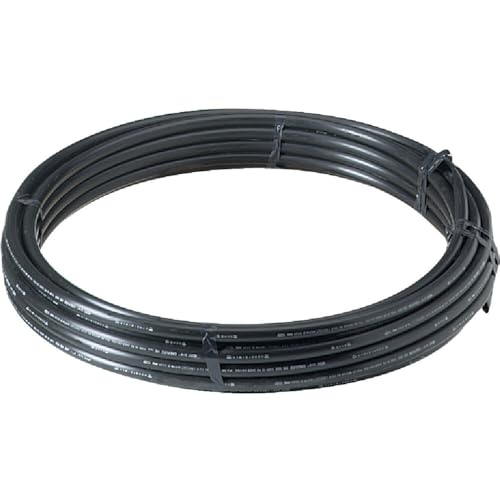
Best for: Permanent irrigation mains where greater PSI capacity and a robust pipe are needed. This 1″ polyethylene pipe is commonly used for systems that require longer runs with reliable pressure endurance. Its suitability for drinking water indicates a strong purity standard.
Why selected: US-made and designed for longer service life in outdoor irrigation. A larger diameter can support higher flow for multi-zone setups.
Caution: Bulkier and less flexible than smaller-diameter tubing, making routing around obstacles more challenging. Check your install layout before purchase.
ZY-hosetube 3/4″ ID – 25ft Black Vinyl Tubing

Best for: Short, flexible sections in drip systems or decorative irrigation tasks where you need quick, easy-to-cut segments. Its 25-foot length keeps it portable and manageable for temporary projects.
Why selected: Strong resistance to aging and chemicals helps it hold up in outdoor conditions. The tubing’s smooth interior supports steady flow and easier flushing.
Caution: Not ideal for long mains or high-pressure zones; plan to couple with other sections for extended runs.
URATOT 40 Pieces Drip Irrigation Fittings Kit

Best for: Starter or expansion kits to connect 1/2 inch tubing in drip irrigation projects. The kit includes multiple tees, couplings, elbows, and end caps, reducing the need to source separate components.
Why selected: A comprehensive set helps simplify installation and maintenance, especially for new systems. It supports flexible layouts and quick repairs.
Caution: Verify compatibility with your chosen tubing size before purchase; the kit centers on 1/2″ connectors and may require adapters for other sizes.
Buying Guide: Key Considerations For Choosing Irrigation Piping
- System type: Choose tubing for drip and low-pressure systems or pipe for higher-flow mains. Microtubing excels at emitters; larger polyethylene pipes handle longer runs and higher flow.
- Diameter compatibility: Match the pipe or tubing ID/OD and fittings to prevent leaks. Use 1/2″ or 3/4″ sizes for home drip lines; 1″ piping for mains when needed.
- Material properties: Look for UV resistance, chemical stability, and temperature tolerance to ensure durability in outdoor use.
- Pressure rating: For mains or longer runs, higher PSI-rated pipes help maintain steady flow. Low-pressure vinyl tubing works best for simple, short sections.
- Flexibility vs. rigidity: Flexible tubing is easier to route, especially around beds or planters. Rigid pipe minimizes joints but may require more planning for routing.
- Ease of installation: Kits with fittings and end caps reduce setup time. Consider cut-to-length options for custom layouts.
- Durability and storage: Vinyl and polyethylene resist aging and environmental exposure, but some materials can be more prone to kinks or chemical wear over time.
FAQ
- What is the difference between drip irrigation tubing and polyethylene pipe?
Drip irrigation tubing is typically smaller diameter and designed for emitter connections, while polyethylene pipe comes in larger diameters for mainlines and has higher pressure ratings. - Can I mix different tubing sizes in one system?
Yes, with appropriate adapters and fittings. Plan the layout to minimize pressure loss at transitions. - Is vinyl tubing suitable for outdoor irrigation year-round?
Vinyl tubing is popular for low-pressure, short sections but may degrade under extreme conditions; check temperature and UV resistance. - How do I determine the right length of tubing?
Measure the distance between water source and each irrigation zone, plus extra for bends and fittings. Plan for future expansion when possible. - Should I choose metal or plastic piping for the mainline?
Plastic piping is typically preferred for irrigation due to corrosion resistance, lower cost, and easier handling. - What maintenance helps extend the life of irrigation piping?
Regular flushing to remove sediment, inspecting for leaks, and protecting exposed sections from UV exposure.