Find the right poly pipe for irrigation to keep your garden, beds, and containers evenly watered. This guide highlights five reliable options and explains who each is best for. Use these picks to build a simple, low-maintenance drip or sprinkler system that fits small yards, raised beds, or larger landscapes.
Summary at a glance:
| Product | Best For | |
|---|---|---|
| Raindrip 052020P 1/2-Inch Tubing | Main supply or feeder line for drip systems | Versatile, widely compatible with emitters |
| Rain Bird SWGP100 EZ Pipe | Flexible connections and repositioning | Great for laying out adaptable sprinkler runs |
| WAIWL 1/2 Inch Tubing 50FT | Raised beds, greenhouses, and lawn edges | Short, flexible mainline with easy cutting |
| LASCO Mainline Drip Tubing 100-Foot | Mainline with standard 1/2 inch fittings | Commercial-grade polyethylene tubing |
| Orbit 38931 Swing Pipe 100′ | Connecting lateral lines to spray heads | Flexible swing pipe for easy sprinkler placement |
Raindrip 052020P 1/2-Inch Tubing
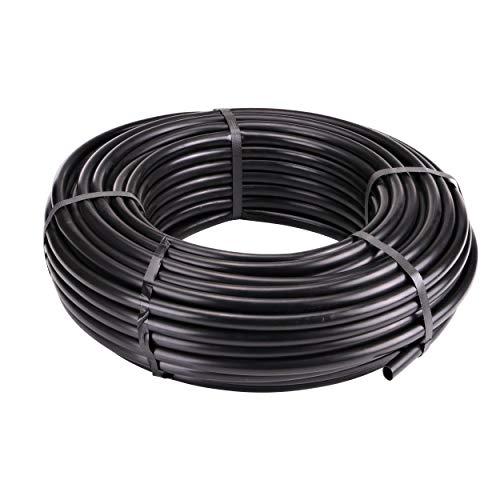
This 1/2-inch irrigation tubing serves as a main supply line or feeder line in drip irrigation systems. It is designed to accept emitters or drippers along its length, enabling direct watering where it’s needed. The tubing works well for trees, shrubs, flower beds, groundcover, vegetable gardens, potted plants, and hanging baskets. Best for buyers seeking a versatile base line that can be expanded with emitters and drip components. A potential limitation is that compatibility with certain fittings or kits may require specific connectors.
Rain Bird SWGP100 EZ Pipe Flexible Swing Pipe

EZ Pipe provides flexible connections for sprinklers and makes it easier to position sprinklers accurately. This 100-foot roll is a practical choice when you need to adjust spacing or move sprinklers for seasonal changes. The product is best for buyers who want quick, adaptable sprinkler layouts with reduced installation depth. A caution: ensure compatibility with your sprinkler heads and fittings before purchase.
1/2 Inch Irrigation Tubing, 50FT Drip Tubing

This 50-foot length of flexible 1/2 inch irrigation tubing is designed for gardens, raised beds, greenhouses, and lawns. It’s ideal for building or extending a drip system and can be cut to fit different layouts. Best for small to mid-size installations where a compact, easy-to-handle mainline is useful. Note that longer runs may require additional tubing sections for sustained pressure and coverage.
LASCO Mainline Drip Tubing 100 Feet
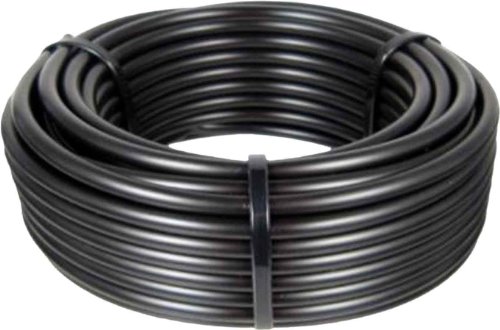
LASCO offers a 100-foot mainline poly tubing compatible with 1/2-inch barb drip fittings. The tubing is described as high-quality polyethylene suitable for commercial-grade projects, making it a stable backbone for a larger irrigation setup. Best for buyers who want durable mainline tubing that withstands extended outdoor use. Limitation: ensure the tubing length matches your system layout to minimize splices.
Rain Bird T63-500S 1/2″ Blank Distribution Tubing

Distribution tubing at 1/2″ (0.634″ OD) is rugged and flexible, ideal for staking in garden beds, ground cover, or landscaped areas. It’s a professional-grade blank tubing that connects to faucets, hoses, or Rain Bird conversion kits. Best for buyers building a reliable distribution network with minimal clogging risk. Caution: ensure compatibility with downstream emitters or micro-sprayers to maintain system efficiency.
Buying Guide: Key Considerations For Choosing Poly Pipe For Irrigation
What diameter and flexibility do I need?
Most home drip systems use 1/2-inch mainlines or distribution tubing. Flexibility matters when routing around plants, beds, or structures. If you need to bend around obstacles, consider tubing with a lower bend radius or a swing pipe option for easier positioning.
What is the intended application?
Mainline versus feeder line: Use thicker, more robust tubing as your mainline and thinner, adaptable lines for emitters or micro-sprayers. For raised beds or greenhouses, shorter lengths of flexible tubing are convenient and easier to manage.
Are there compatibility considerations?
Check that tubing fits standard fittings and emitters. Some brands use proprietary connectors, while others are universally compatible. Consider also whether you’ll need adapters to connect to existing hoses, faucets, or drip kits.
How long will the system run outdoors?
Durability matters. Polyethylene tubing is weather-resistant, but shade, sunlight exposure, and soil contact can affect longevity. For longer-term installs, choose tubing advertised for outdoor use and consider protective routes to reduce abrasion.
What is the budget impact?
Prices vary by length, diameter, and whether the tubing is sold in bulk or in short rolls. For a starter drip system, a combination of mainline tubing and shorter length distribution tubing can be cost-effective while offering scalable expansion options.
Installation tips
- Plan the layout on paper first, marking locations for emitters and sprinkler heads.
- Use proper clamps or fittings to secure tubing and prevent leaks.
- Test the system before burying or finalizing placements to identify leaks or misaligned emitters.
FAQ
- What is poly tubing best used for in irrigation?
Poly tubing serves as main supply lines or feeder lines in drip irrigation, delivering water to emitters or sprinklers across beds, containers, and lawns.
- Can I connect different brands of tubing together?
Yes, but confirm compatibility of fittings and connectors. Some brands require adapters for seamless connections.
- How long does irrigation tubing last outdoors?
With proper use and protection, polyethylene tubing is designed for outdoor use and can last multiple seasons, though exposure and soil conditions can affect longevity.
- Is 1/2 inch the right size for all drip systems?
1/2 inch is common for mainlines and feeder lines in many residential setups. For very large landscapes, larger diameters may be used, but most residential systems use 1/2 inch.
- Should I use swing pipe in my system?
Swing pipe helps reposition sprinklers and reduces installation depth, making maintenance easier in dynamic layouts.
- What should I avoid when selecting tubing?
Avoid tubing that’s not rated for outdoor use or that lacks compatibility with your emitters and fittings, as this can lead to leaks or poor water distribution.