When pond algaecide shopping, look for products that control algae effectively while remaining safe for fish, plants, and wildlife. This guide highlights top picks for different pond sizes and needs. Best for small decorative ponds, best for koi ponds, best for large lakes, and best for quick clarifying results.
Summary table of chosen products:
| Product | Best For | Volume | Key Benefit |
|---|---|---|---|
| API POND ALGAEFIX (1 gal) | Small- to mid-sized ponds | 1 gallon | Copper-free, fast algae control up to 38,400 gal |
| CrystalClear Algae D-Solv (1 gal) | Koi ponds, fountains | 1 gallon | Copper-free, safe for fish and ornamentals |
| API POND ALGAEFIX (16 fl oz) | Moderate ponds | 16 oz | EPA-registered, fast algae control up to 4,800 gal |
| API POND ALGAEFIX (32 fl oz) | Medium ponds | 32 oz | EPA-registered, copper-free, treats up to 9,600 gal |
| Cutrine-Plus Liquid Algaecide | Lakes, large ponds, reservoirs | 1 gal | Targets planktonic, filamentous, and chara algae |
| Airmax Algae Defense (1 gal) | Large ponds and lakes | 1 gallon | Broad-spectrum, easy spray application |
| API POND ACCU-CLEAR (32 oz) | Pond water clarification | 32 oz | Clarifies cloudy water by aggregating particles |
API POND ALGAEFIX (1 gallon) Pond Algae Control
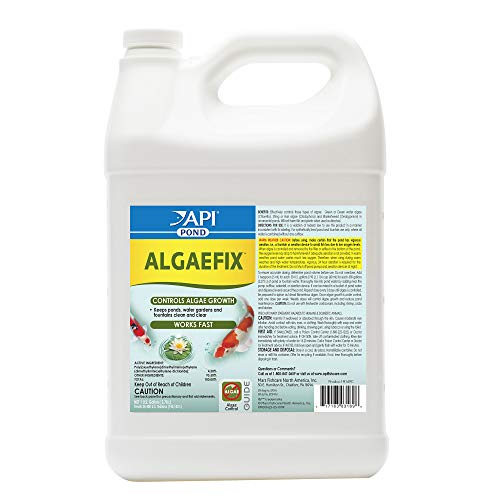
Best for: Small to mid-sized ponds and water features with a mix of green, string, and blanketweed algae. This copper-free formula helps prevent new algae growth while keeping fish and aquatic plants safe when used as directed. Suitable for ponds, koi ponds, and fountains that require fast, broad-spectrum algae control.
Why chosen: EPA-registered and copper-free, it reduces algae without disturbing beneficial bacteria or accumulating in sediment. Treats up to 38,400 gallons, making it a versatile option for homeowners with varied pond sizes.
Limitation: Use as directed to avoid unnecessary exposure to sensitive aquatic life, and ensure proper pond aeration when applying.
CrystalClear Algae D-Solv Pond Algae Control

Best for: Fountains and outdoor ponds containing koi and other fish where you want fast-acting algae removal without copper. Ideal when quick restoration of clear water is needed without harming ornamental plants.
Why chosen: Broad-spectrum, fast-acting with no copper, making it safer for fish and plants when used as directed. Before use, ensure adequate pond aeration to support fish during treatment.
Limitation: Requires aeration and may not be ideal for ponds with copper-sensitive species; always follow label directions precisely.
API POND ALGAEFIX (16 fl oz)

Best for: Slightly smaller ponds or regions with moderate algae challenges. The 16 oz size covers up to 4,800 gallons, offering a compact option for seasonal maintenance or spot treatments.
Why chosen: The same EPA-registered, copper-free formula as the larger version, ensuring consistent safety and efficacy. Useful for homeowners who prefer smaller containers or targeted dosing.
Limitation: Treats fewer gallons per bottle, so may require more frequent applications for larger ponds.
API POND ALGAEFIX (32 fl oz)
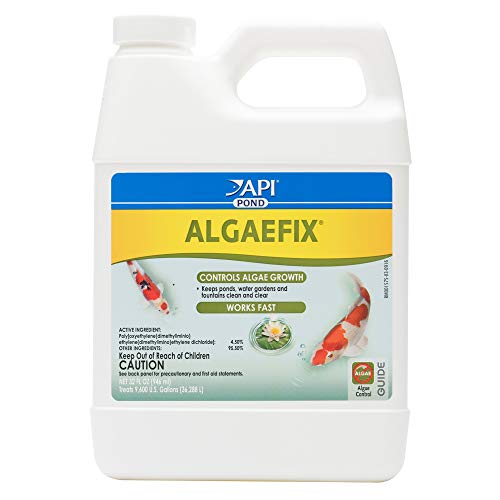
Best for: Medium-sized ponds or those needing longer treatment intervals without frequent dosing. Treats up to 9,600 gallons with a copper-free formula.
Why chosen: Strong balance of coverage and safety; ideal for homeowners seeking an economical, maintenance-friendly option for recurring algae issues.
Limitation: Like other algaecides, avoid applying during peak fish spawning or when fragile aquatic plants are in close contact with active treatment.
Cutrine-Plus Liquid Algaecide
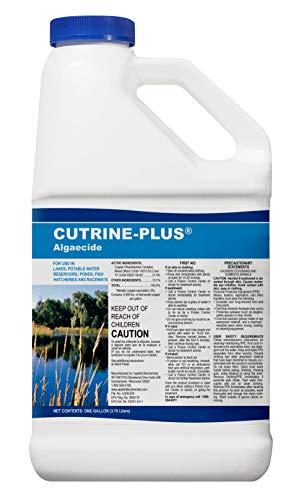
Best for: Larger ponds, lakes, hatcheries, and irrigation systems where multi-algae control is needed. Targets planktonic, filamentous, and chara algae to restore water clarity.
Why chosen: EPA-approved formula with fast action (reductions often seen within 1-2 days). Useful for professionals and serious hobbyists managing larger water bodies.
Limitation: Not recommended for copper-sensitive species; avoid use in waterbodies hosting koi or trout. Requires careful dosing per label guidance.
CrystalClear Algae D-Solv Pond Algae Control (16 oz)

Best for: Ponds where quick remediation of algal blooms is needed without copper. Suitable for ponds with koi and ornamental plants when used as directed.
Why chosen: Copper-free formulation supports safe use around sensitive aquatic life while delivering rapid results for algae blooms.
Limitation: Ensure aeration and follow directions to avoid harming beneficial bacteria or causing stress to fish during treatment.
Airmax Algae Defense
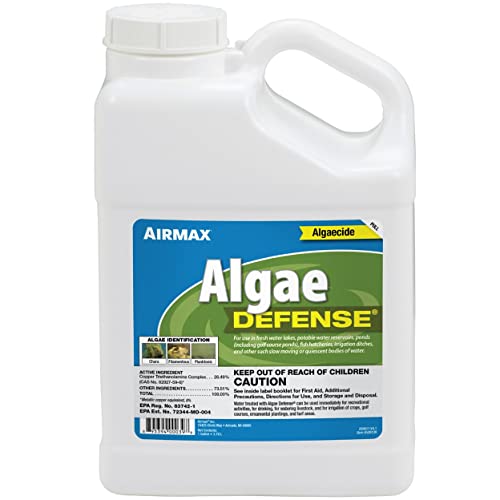
Best for: Large ponds and lakes requiring a broad-spectrum, straightforward application. Suitable for golf course and farm ponds, fish hatcheries, and irrigation ditches.
Why chosen: Direct spray application and broad spectrum effectiveness make it convenient for larger water bodies where uniform coverage matters.
Limitation: Copper-based formulations may not be ideal for copper-sensitive species; follow label instructions for safe use and timing.
API POND ACCU-CLEAR Pond Water Clarifier
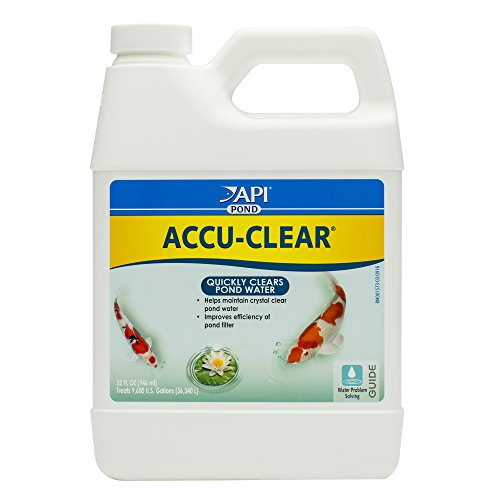
Best for: Quick clarity improvement when pond water looks cloudy due to suspended dirt and silt. Useful as a maintenance supplement alongside algaecides.
Why chosen: Clarifies water by clumping particles so filters can remove them more easily, helping to maintain an aesthetically clear pond water column.
Limitation: Not an algaecide; it addresses cloudiness rather than controlling algae growth. Use in combination with an algaecide for comprehensive care.
Buying Guide: Key Considerations For Buying Pond Algae Solutions
- Fish and plant safety: Prefer copper-free formulas when you have sensitive fish or ornamentals. Always follow label directions regarding dosing and pond conditions.
- Volume needs: Larger ponds require bigger bottles or multiple treatments. Calculate total gallons to choose the right product size and avoid under-treatment.
- Algae type: Identify whether you face green water, string algae, or blanketweed. Some products cover broad algae types; others target specific forms.
- Aeration and filtration: Ensure adequate aeration before and during treatment to support fish welfare and assist algae control. Some products advise aeration explicitly.
- Impact on beneficial bacteria: Copper-free formulas are designed to minimize disruption to beneficial bacteria, helping maintain a balanced pond ecosystem.
- Ease of use: Consider liquid concentrates that spray or pour easily, and products that require minimal dosing for routine maintenance.
- Safety and regulations: Look for EPA registration as a basic safety indicator and follow local water-use regulations when treating water features connected to withdrawals or irrigation.
Frequently Asked Questions
- What is the safest algaecide for a koi pond?
Copper-free formulas are typically safer for koi and most ornamental plants when used as directed. Check product labels for species-specific guidance.
- How often should I treat my pond for algae?
Follow the product label for dosing intervals. For ongoing issues, consider a maintenance plan that includes aeration and regular cleaning.
- Can I use algae control products with a pond clarifier?
Yes, but use them as directed and avoid overdosing. Clarifiers address suspended particles, while algaecides target algae growth.
- Will algaecides harm fish or plants if used correctly?
Most products are formulated to be safe for fish and plants when used as directed. Do not exceed label dosages or apply during extreme water conditions.
- Should I remove dead algae after treatment?
Yes. After treatment, remove dead algae and debris to reduce nutrient buildup and support faster recovery of water clarity.
- Is one product enough to solve all pond algae problems?
Often not. Algae issues vary by pond size, water quality, and environmental factors. A combination approach and ongoing maintenance usually yields the best results.