Answering the question, these shade-tolerant pond plants help keep shaded water healthy and visually appealing. They’re ideal for ponds with limited direct sun, or areas that stay cool and overcast much of the day. The top picks below are best for buyers seeking low-maintenance, natural filtration, and visual interest in shaded spots. Each is suitable for different pond sizes and light levels, so use the brief notes to choose the right fit.
| Product | Best For | Notes |
|---|---|---|
| Golden Water Poppies (Hydrocleys Nymphoides) – Easy Live Pond Plants | Partial shade, natural biofiltration | Best for adding float-to-substrate flexibility; caution about extreme temperatures. |
| Floating Plants for Water Gardens and Ponds (Water Lettuce) | Floating cover and filtration | Very easy; provides shade and surface filtration. |
| Floating Flowering Plant, Common Water Hyacinth | Mid-to-large ponds, strong filtration | Fast growth; check regional shipping restrictions for certain states. |
| Umbrella Palm | Tropical look, habitat and shading | Striking foliage; filter benefits; may be sensitive to extremes. |
| Chalily Arrow Arum | Shade-tolerant, border interest | Bold foliage; robust spread potential in containers or margins. |
Golden Water Poppies (Hydrocleys Nymphoides) – Easy Live Pond Plants
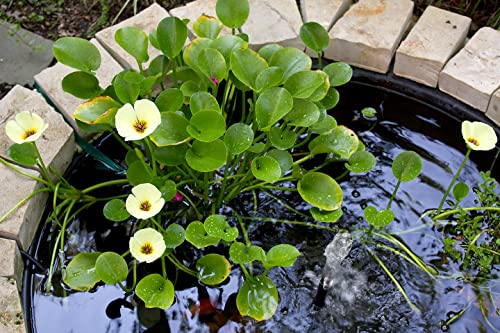
Best for partial shade and natural biofiltration, Golden Water Poppies are grown plants ready to reproduce. They can float but do best when planted in aquatic soil, offering water-clearing benefits in shaded spots. These plants are suited for smaller to medium ponds where direct sun is limited but light is present. A caution is noted about extreme temperatures; avoid ordering if temperatures are forecast to be outside a safe range.
Who it’s best for: Small to medium ponds with inconsistent sun, homeowners seeking a natural filtration boost and a floating-to-anchored option.
Floating Plants for Water Gardens and Ponds (Water Lettuce)

Best for adding dense surface cover and natural filtration in shaded areas. Water Lettuce floats on the pond surface, creating shade while filtering nutrients. It’s easy to plant and maintain, and contributes to a balanced ecosystem. Be mindful of local regulations or shipping restrictions in some regions and confirm climate suitability for your pond’s location.
Who it’s best for: Ponds needing quick surface coverage to reduce algae growth and temper water temperature in light shade.
Floating Flowering Plant, Common Water Hyacinth

Best for natural filtration in mid-to-large shaded ponds. Water Hyacinth provides strong nitrate and ammonia control while offering shade to fish and reducing evaporation. It can rapidly cover water surfaces, so it’s ideal where quick coverage is desired. Consider checking regional restrictions for shipping and avoid if your climate is too cold or windy for healthy growth.
Who it’s best for: Ponds needing robust filtration and pronounced surface shading in areas with moderate shade.
Chalily Water Hyacinth Floating Pond Plants

Best for beginners seeking a floating, fast-growing, natural filtration plant. Chalily Hyacinths require no soil and thrive while floating. They bring vibrant surface movement and enhance water clarity through their root systems. A caveat includes ensuring zoning restrictions for shipping; avoid if your local climate or wind exposure threatens plant health.
Who it’s best for: Beginners or small ponds seeking an easy-to-maintain floating plant with strong filtration and visible blooms when conditions allow.
Umbrella Palm

Best for adding a tropical-looking focal point while providing natural filtration in shaded or semi-shaded ponds. Umbrella Palm has ornamental grass-like foliage that moves with the breeze, creating visual texture. It’s award-winning in appearance and contributes to water clarity and habitat. The potential limitation is sensitivity to extreme weather; ensure protection from harsh winds and temperature dips in winter zones.
Who it’s best for: Ponds needing a dramatic, tropical accent with filtration benefits in light shade or partial sun.
Chalily Arrow Arum

Best for shaded margins and container ponds, Arrow Arum features glossy, arrowhead leaves and striking leaf form. It’s a robust choice for low-maintenance ponds that want standout foliage and habitat value. The plant tolerates sun or shade but can spread, so consider containment. It’s a solid selection for adding greenery to the pond edge in shaded zones.
Who it’s best for: Ponds seeking bold foliage and a natural border accent in shaded or border areas.
30 Mixed Miniature Water Lily & Lotus Seeds

Best for small or shaded ponds that still want color. This mixed set includes miniature water lilies and lotuses suitable for bowls and ponds. The seeds are non-GMO and heirloom, supporting a compact, colorful display with lower light requirements than larger varieties. Use in containers or shallow ponds to control growth. A limitation is that flowering may be less consistent in deeper shade.
Who it’s best for: Small spaces or shaded ponds wanting a palette of color with compact growth.
Lotus Seeds for Planting in Water – 30 PCS Mixed

Best for year-round interest in warm, shallow water environments. Lotus seeds offer easy water-start germination and all-season planting, with blooms in pink, purple, and red hues as they mature. Indoor or outdoor suitability makes them versatile for shaded and cooler areas, provided water temperatures rise above 60°F. A note: they require sustained warmth to sprout into mature plants.
Who it’s best for: Enthusiasts who want a longer-term focal plant with color variety in shaded ponds with warm microclimates.
Buying Guide: Shade-Friendly Pond Plant Essentials
What light level counts as shade? For ponds, shade typically means less than 4 hours of direct sun daily, or dappled light under trees. Choose plants that tolerate low to medium light, and that offer surface coverage or filtration benefits to minimize algae and maintain water quality.
Key purchase considerations
- Light tolerance: Prioritize floating options and plants marketed as shade-tolerant.
- Water depth and planter style: Some plants prefer to float, others anchor in aquatic soil or bog shelves. Match to pond design.
- Filtration and habitat: Many choices provide natural filtration and habitat for fish; consider how much biofiltration you want.
- Climate and shipping restrictions: Extreme temperatures and regional shipping rules may affect plant survival.
- Containment: Some vigorous species spread; plan margins or containers accordingly.
Practical tips for shade ponds
- Stagger planting: Combine floating mats with anchored root plants to balance shade and growth.
- Monitor temperature: Avoid extreme heat or deep freezes that affect delicate shade-tolerant species.
- Regular maintenance: Remove dead leaves to prevent decay and maintain water clarity.
FAQ
- Q: Are shade-tolerant pond plants suitable for koi ponds? A: Yes, several options provide filtration and shade without interfering with koi behavior when planted thoughtfully.
- Q: Do shade plants require soil? A: Some floating plants do not require soil, while others perform best anchored in aquatic soil or baskets.
- Q: Can these plants help with algae control? A: Many provide natural filtration and reduce nutrients that feed algae, especially in partially shaded areas.
- Q: How do I prevent plants from overheating in mild shade? A: Place plants where they receive morning sun or filtered light, and ensure good air circulation around the pond.
- Q: Are these plants tolerant of wind? A: Wind exposure varies; some species tolerate breezy margins better when anchored or contained.
- Q: Do these plants ship year-round? A: Shipping depends on temperature and regional restrictions; check supplier notices for seasonal constraints.