Answering the most common buyer question: these posts and netting supports are designed to hold garden nets and cages off your plants, creating a barrier against deer and other wildlife while maximizing air flow and sun exposure. They’re best for homeowners with vegetable plots, berry beds, or delicate climbers who need robust, weatherproof framing. The top picks below cover a range of heights, materials, and installation styles to fit different yards and soil types. Use the quick reference table to compare at-a-glance.
| Product | ||
|---|---|---|
| DOLEMODUO 72 Inch Garden Stake Netting Support | 72 inches | Medium-to-large vines and nets; easy quick install |
| Enhon Garden Stakes 8.2 ft (4 Pack) | 5.4 – 8.2 ft options | Tall protection nets for vines and high crops |
| Enhon Garden Stakes 5.4 ft (4 Pack) | 5.4 ft | Shorter beds and compact trellising |
| JPOIP 72 Inch Garden Stake Netting Support | 72 inches | Solid frame for wildlife netting and cages |
| Thealyn 3ft U-Posts (Pack of 10) | 3 ft | Low fences and signage, versatile ground anchoring |
DOLEMODUO 72 Inch Garden Stake Netting Support

Best for tall plants and raised nets. This 72-inch frame uses heavy-duty, rust-proof powder-coated steel to create a stable mast for garden nets or plant cages. The tall design supports full growth stages from seedling to fruiting, helping keep deer and rabbits at bay. Best for serious gardens with climbing plants or tall row crops. A potential limitation is that taller posts require sturdier anchoring in loose soil.
Who it’s for: The serious vegetable gardener needing consistent deer protection for tall vines or growing trellises. Why selected: height and heavy-duty construction deliver reliable support in varying weather.
Caution: Ensure proper driving depth in soft soil or sand before staking to prevent tipping in strong winds.
Enhon Garden Stakes 8.2 Ft, 4 Pack

Best for tall, wide nets and long garden borders. These steel, powder-coated stakes come in multiple heights (including 8.2 ft) and include compatible accessories to create a strong frame for netting and cages. They perform well in windy sites and provide a clean, organized appearance. Choose this if you need a uniform border of protection across a larger area.
Who it’s for: Gardeners installing extended nets or wind-prone plots. Why selected: tall, sturdy posts provide dependable wind resistance and net clearance.
Caution: The 8.2 ft version may require more digging depth or additional anchoring for stability in very loose soils.
Enhon Garden Stakes 5.4 Ft, 4 Pack

Best for mid-sized plots and lightweight netting. These 5.4-foot posts are ideal for establishing a protective frame around vegetable beds without overwhelming smaller spaces. They pair well with smaller nets to keep deer and birds from disturbing early-stage crops. A potential limitation: not as tall as 8-foot options for very tall crops.
Who it’s for: Gardeners with compact beds or young vines. Why selected: balance of height, ease of install, and price for ongoing protection.
Caution: Ensure clips and accessories match the netting height to avoid sagging or uneven frames.
JPOIP 72 Inch Garden Stake Netting Support

Best for versatile wildlife protection and simple setups. The JPOIP metal frame offers a sturdy base for plant cages and nets with a height of 72 inches. It’s designed to anchor nets without placing them directly over crops, improving airflow and neatness. Choose this if you want a straightforward, stable frame that’s easy to assemble.
Who it’s for: Gardeners prioritizing quick setup and reliable anchoring. Why selected: simple, robust design and practical height for many vegetables and ornamentals.
Caution: Do not rely on any single stake for very windy, exposed sites; consider pairing with multiple posts for greater stability.
Thealyn 3ft U-Posts Pack of 10
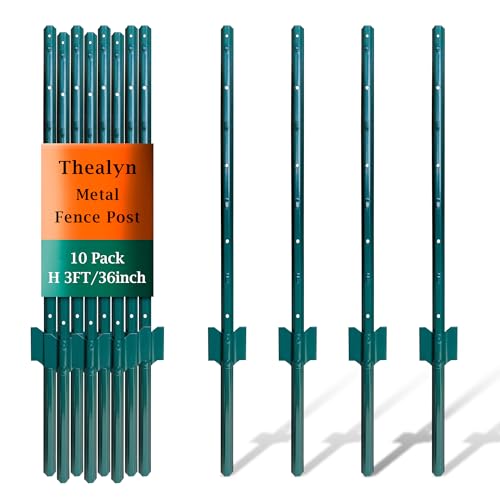
Best for low-profile protection and general yard fencing. The Thealyn 3-foot U-posts fit smaller fence meshes and signage, useful for delineating garden borders or supporting light nets around compact plots. They’re easy to install and remove, making them suitable for seasonal netting or crop protection.
Who it’s for: Homeowners with smaller patches or multi-use spaces. Why selected: lightweight, versatile, and easy to store after season ends.
Caution: 3 ft posts may require careful alignment to prevent toppling in aggressive winds; combine with additional stakes for long rows.
Buying Guide: Key Considerations For Choosing Deer-Protection Netting Posts
- Height needs: Taller posts deliver higher clearance for mature plants; shorter posts work well with low-growing crops and compact beds.
- Material and finish: Powder-coated steel offers rust resistance and longer life in outdoor conditions, compared with basic steel or untreated options.
- Installation method: Ground spikes and tapered tips ease insertion; ensure you have a post driver or hammer for efficient setup.
- Stability: In windy locations, use multiple posts per net and ensure deep driving depth or anchor plates for each post.
- Netting compatibility: Check if the posts include clips or accessories; ensure the frame aligns with your chosen netting and bird/deer protection needs.
- Maintenance: Powder coating and rustproof finishes require minimal upkeep but inspect for chips that could lead to corrosion over time.
- Storage: Consider modular or disassemblable designs to save space in off-season storage.
Frequently Asked Questions
- What height is best for deer protection nets? Choose height based on plant height. Taller frames protect tall crops; shorter frames fit compact beds.
- Are these posts suitable for raised beds? Yes, especially the taller, ground-anchored models; ensure your bed edges can support staking.
- Do I need a post driver? A post driver or hammer makes sinking spikes faster and reduces risk of bent posts.
- Can I reuse posts year after year? Yes, especially the rustproof, powder-coated steel posts, provided they’re not bent or corroded.
- Should nets be taut or sag slightly? Leaves and branches should not sag into the net; keep nets taut for best deer deterrence and airflow.
- How many posts do I need for a row? Rely on one post per net segment; for long rows, space posts evenly to maintain frame integrity.