Potassium soap for plants is a gentle, plant-friendly option for managing soft-bodied insects and cleaning leaf surfaces. This guide highlights five practical products aligned with common gardening needs, from ready-to-use sprays to concentrated formulas and plant-based cleaners. It helps buyers choose based on plant type, indoor or outdoor use, and ease of application. Suitable for home gardens, houseplants, and edible crops, these options emphasize safe, effective control without harsh residues.
| Product | Best For | Key Benefit | Note |
|---|---|---|---|
| Safer 5118-6 Insect Killing Soap Concentrate | Homestyle gardens and ornamentals | OMRI listed for organic use; broad pest coverage | Concentrate; requires dilution |
| Garden Safe Insecticidal Soap | Indoor and outdoor edible and ornamental plants | Ready-to-use spray; easy to apply | Direct contact needed |
| Ecoworm Horticultural Soap Concentrate | Frequent plant care at home | High-strength concentrate; multiple uses | Dilution required |
| Ecoworm Organic Potassium Soap Ready-to-use | Fast, on-demand cleaning | No mixing needed; plant-based | Smaller bottle size |
| Bonide Insecticidal Soap (Ready-to-Use) | Outdoor gardens and lawns | Broad pest control; versatile | Outdoor use focus |
Safer 5118-6 Insect Killing Soap Concentrate
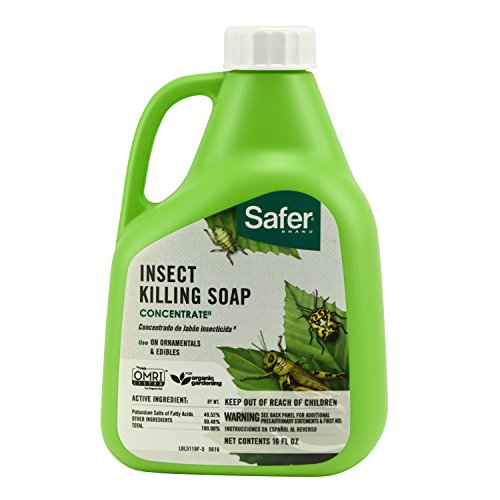
Best for gardeners who prefer an OMRI-listed product for organic use and want versatility across flowers, herbs, vegetables, and houseplants. This concentrate targets aphids, mealybugs, whiteflies, spider mites, and similar pests by contact. Use through the season and reapply as insects persist. Choose this if you want a long-use concentrate that can be tailored to different plant types.
Best for: Small to medium home gardens, herb and vegetable plots, indoor plants seeking organic-grade control.
Caution: Dilution accuracy matters; follow label directions to avoid plant stress on sensitive species.
Garden Safe Insecticidal Soap

Best for growers seeking a ready-to-use solution with broad applicability indoors or outdoors. This soap is designed for direct contact control and is suitable for vegetables, fruit trees, ornamentals, and gardens. It is effective when pests are sprayed thoroughly, including the leaf undersides. Choose this if you want a simple, no-mix option for immediate pest relief.
Best for: Edible crops and ornamentals where quick, contact-based pest control is preferred.
Caution: Efficacy depends on complete leaf coverage and consistent application frequency.
Ecoworm Horticultural Soap Concentrate

Best for plant care routines that favor a powerful potassium soap concentrate. It is designed to be diluted for multiple uses, allowing ongoing leaf cleaning and pest management. It helps remove dust and sticky deposits while supporting plant appearance. Choose this if you want a cost-effective concentrate for regular maintenance.
Best for: Houseplants, patios, and gardens where regular leaf cleaning is part of care.
Caution: Dilution strength should be adjusted to avoid leaf burn on tender new growth.
Ecoworm Organic Potassium Soap Ready-to-use Spray

Best for users who want a plant-based leaf cleaner with no mixing. This ready-to-use spray cleans leaves and removes dirt, helping plants look fresh without additional steps. It suits both indoor and outdoor use on a variety of plants. Choose this if you value quick, easy coverage without preparation.
Best for: Quick cleanups and routine maintenance on houseplants and garden plants.
Caution: Not a strong direct-kill solution for heavy pest infestations; best used as a preventive cleaner and gentle pest control.
Bonide Insecticidal Soap (Ready-to-Use)
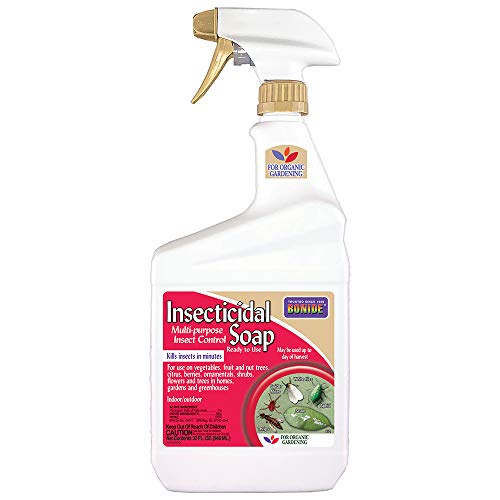
Best for outdoor residential use in home gardens and greenhouses, with wide species coverage including aphids, spider mites, thrips, and more. This product works by direct contact and ingestion of treated pests, making it versatile for different life stages. Choose this if you need a robust outdoor option that works across vegetables, herbs, and ornamentals.
Best for: Outdoor gardens, fruiting shrubs, and ornamental beds needing broad pest control with easy application.
Caution: Outdoor conditions like wind can affect coverage; apply during calm weather to maximize contact with pests.
Buying Guide: Potassium Soap For Plants
- Form: concentrate vs ready-to-use – Concentrates require dilution and mixing, offering lower per-use costs and customization. Ready-to-use formulas provide immediate spraying with no prep.
- Target pests – Most potassium soap products control aphids, whiteflies, spider mites, and other soft-bodied pests. Some are better for outdoor use; others suit indoor settings and edibles.
- Plant safety – Look for OMRI listings or organic labeling for edible crops. Dilution guidelines help prevent leaf burn on sensitive plants.
- Application timing – Apply at the first sign of damage and reapply every 5–7 days as pests persist. For edible plants, follow harvest window guidance on the label.
- Coverage and technique – Thorough coverage on both sides of leaves is essential for effectiveness. Underside leaf contact improves control for pests like whiteflies and aphids.
- Indoor vs outdoor use – Some products are optimized for indoor houseplants, others for gardens and greenhouses. Verify label suitability for your environment.
- Caution and limitations – Potassium soap works best on soft-bodied insects; it may be less effective against hard-bodied pests or heavy infestations without repeated applications.
Frequently Asked Questions
- Is potassium soap safe for edible plants? Yes, many potassium soap products are labeled for use on edible crops when applied as directed. Always follow label instructions regarding application timing relative to harvest.
- Can I mix potassium soap with other pesticides? Mixing guidelines vary by product. Refer to the product label for compatibility to avoid phytotoxicity or reduced efficacy.
- How often should I apply potassium soap? Typically every 5–7 days while pests are present, with adjustments based on plant response and pest pressure.
- Will potassium soap harm beneficial insects? When applied directly to pests, some risk to beneficial insects exists. Target applications to affected areas and spray during times when beneficials are less active.
- What is the main difference between concentrate and ready-to-use formulas? Concentrates require dilution and storage, offering cost efficiency; ready-to-use products provide instant spraying with no preparation, but may have higher per-use cost.
- Are these products organic? Many are suitable for organic gardening when labeled as OMRI-listed or approved for organic use. Check each product’s labeling for confirmation.