If you’re starting seeds, the right pots ensure healthy roots and easy transplanting. This guide highlights five dependable seed-starting pots that suit beginners and seasoned growers alike. The options range from biodegradable peat pots to durable plastic nursery pots, with clear notes on who they’re best for and how they help your seedlings thrive. Use the quick comparison table below to pick the best fit for your seed-starting setup.
| Product | Material | Size | Drainage | Best For |
|---|---|---|---|---|
| RAOOKIF 4″ Nursery Pots | Plastic | 4 inch | Holes | Reusable, multi-use starter grid |
| ARGCONNER Peat Pots | Biodegradable Peat | 3.15 inch | 4 holes | Biodegradable, easy transplanting |
| JNYONG Peat Pots | Biodegradable Peat | 3.15 inch | 4 holes | Economical starter option |
| TDHDIKE 4″ Plastic Pots | Plastic | 4 inch | 8 holes | Large seedling projects |
| Napia Peat Pots Starter Kit | Biodegradable Peat | 3.15 inch | 4 holes | All-in-one kit for beginners |
RAOOKIF 4 Inch Nursery Pots, 100-Pack

Material: Plastic; 100 pots per package. Each pot is 4.0″ diameter, 4.0″ wide, 3.4″ high. Features a deformable body that returns to shape after pressure, and a smooth surface that’s easy to clean for multiple uses. Drainage holes support soil aeration and water drainage.
Best for: Gardeners starting larger batches of seedlings or cuttings who want a reusable option for recurrent seasons. These pots are suitable for transplanting herbs, vegetables, and flowers.
Why selected: High quantity for scalability, sturdy plastic with shape memory, and reusability reduces ongoing costs for large seed flats. The set-up supports efficient transplant planning and cleanup between rotations.
Caution: Plastic pots require cleaning between uses to prevent soil-borne issues. Watch for warping under intense sun or if left in direct, prolonged heat.
ARGCONNER 40 Pack Peat Seedling Pots

Material: Biodegradable peat pots with 10 plant labels. Each pot is 3.15″ in diameter with 4 drainage holes at the bottom for good drainage and aeration.
Best for: Seed starting in homes or balconies where transplanting into soil is common, especially for herbs, flowers, and vegetables. Labels help keep track of varieties.
Why selected: Biodegradable design simplifies transplanting and reduces plastic use. Porous peat promotes healthy root growth and minimal root disturbance during transplant.
Caution: Peat pots can dry out quickly in hot conditions; plan for regular moisture checks to prevent seedling stress.
JNYONG 60 Packs Peat Pots for Seedlings

Material: Biodegradable peat pots with 4 drainage holes. Each pot measures 3.15 inches in diameter. Includes 50 plant labels for seed tracking.
Best for: Budget-conscious hobbyists starting a broad range of seeds without committing to plastic pots. Suitable for small gardens and windowsill setups.
Why selected: Combines seed-starting efficiency with biodegradable material and labeling capability, which helps manage large seed lots with minimal plastic waste.
Caution: Decomposition timelines vary; consider transplant timing to match root development before peat pots degrade too far in soil.
TDHDIKE 4″ Plastic Seedling Pots (100pcs)
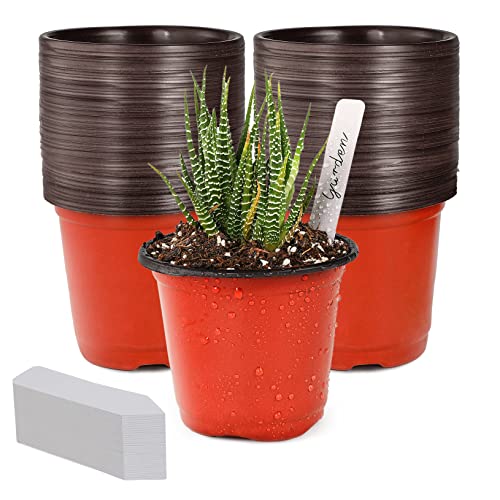
Material: Plastic; 100 pots with 100 plant labels. Opening diameter 4″, bottom 2.5″; height 3.2″. Features 8 drainage holes to improve airflow and drainage for seedlings.
Best for: Projects with larger seed-start requirements or when you want uniform, reusable pots for longer cycles. Ideal for succulents and small transplants.
Why selected: Larger size makes them versatile for a wider range of seedlings, and increased drainage supports root health.
Caution: Plastic pots can trap heat; ensure shading or airflow to prevent overheating in sunny spots.
Napia Peat Pots Seed Starter Kit

Material: Biodegradable peat pots, 45 pieces with 30 plant labels. Compatible with most 1020 trays and designed for seedling growth and easy transplanting.
Best for: Beginners and small-space gardeners who prefer a simple, all-in-one kit for seed starting and labeling.
Why selected: Combines biodegradable pots with labeling in one package, reducing planning steps and plastic usage during early germination.
Caution: Like other peat pots, moisture management is critical; avoid letting pots stay overly wet or dry for extended periods.
Buying Guide: Seed-Starting Pots At A Glance
- Material matters: Biodegradable peat pots are eco-friendly and transplant-friendly, but may require more frequent moisture checks. Plastic pots offer durability and reuse but require cleaning.
- Size and drainage: Choose pots with adequate drainage holes to prevent root rot. Consider size based on plant type and transplant timeline.
- Labeling: If you’re growing many varieties, consider kits that include plant labels or plan to label pots to avoid mix-ups.
- Transplant strategy: Biodegradable pots can be planted directly into the ground, reducing root disturbance. Traditional pots require careful transplanting with minimal root disruption.
- Space and scalability: For larger seed-start projects, bulk pots (like 100-piece sets) can save time and money. For small spaces, compact peat pots may be ideal.
FAQ
- What pot is best for seed starting? A mix of biodegradable peat pots and plastic starter pots covers most needs. Peat pots simplify transplanting; plastic pots support reuse and scalability.
- How many holes should a seed pot have? Four holes are common for peat pots to ensure drainage; more holes prevent water-logging and root rot.
- Should I transplant seedlings in the same pot? Biodegradable pots can be planted directly in the ground; traditional plastic pots should be transplanted with care to minimize root disturbance.
- Are biodegradable pots better for beginners? They’re convenient for beginners who want easy transplanting and reduced plastic waste, though they require consistent moisture management.
- Can I reuse plastic nursery pots? Yes, with proper cleaning and drying between uses, plastic pots can be reused for multiple seasons.
- Which kit helps track many varieties? Kits that include plant labels or come with labeling options are ideal for managing multiple seed types.