Choosing the right potting soil is essential for Bird of Paradise plants, which thrive in well-aerated, well-drained mixes. The following selections focus on organic blends and moisture retention without waterlogging, helping your Crane Flower or Heliconia flourish in containers indoors or outdoors. Each option supports robust growth, good drainage, and nutrient balance tailored to tropical foliage.
| Product | Brand | Use Case | Highlights |
|---|---|---|---|
| Bird of Paradise Potting Soil Mix (8 Quarts) | Soil Sunrise | Indoor/Outdoor container plants | All-natural blend; resealable bag; pH-balanced; good drainage |
| Soil Sunrise Tropical House Plant Potting Mix (12 Quarts) | Soil Sunrise | Indoor/outdoor tropical plants | 100% natural; organic humus; excellent drainage and nutrient retention |
| Kapecute 2QT Bird of Paradise Potting Soil | Kapecute | Bird of Paradise growth | pH 6–6.5; moisture retention with fast drainage; includes slow-release fertilizer |
| Gardenera House Plant Potting Soil | Gardenera | Indoor house plants and tropicals | No artificial fertilizers; worm castings; peat, perlite, lime blend |
| Miracle-Gro Houseplant Potting Mix | Miracle-Gro | Indoor houseplants | Pre-fertilized; reduced gnats with balanced perlite/sphagnum/peat |
Bird of Paradise Potting Soil Mix (8 Quarts) Review

This all-natural mix is designed specifically for Bird of Paradise plants, also known as Crane Flower. The formula aims to balance pH, improve aeration, and enhance drainage while retaining enough nutrients for ongoing growth. The resealable bag makes it practical for apartment gardeners with limited storage. Suitable for indoor and outdoor container gardening, the blend may also work for related tropical species like Red Chinese Evergreen and ZZ Plant, though its focus remains BoP health and vigor.
Key points include a soil-less balance that supports root respiration and reduces the risk of root rot through better drainage. Gardeners should monitor watering to avoid over-watering, especially in low-light indoor setups. This option suits those seeking a natural, low-chemical approach with a ready-to-use mix that minimizes guesswork for first-time BoP caretakers.
Soil Sunrise Tropical House Plant Potting Mix (12 Quarts)
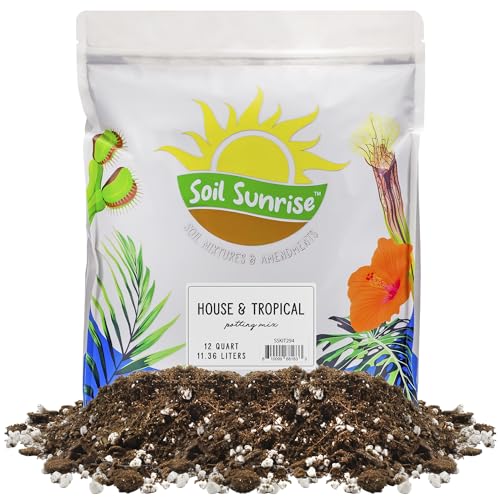
This 100% natural blend is crafted for tropical houseplants and general indoor/outdoor container gardening. It emphasizes organic humus, strong drainage, and nutrient retention without synthetic fertilizers. The mix is well-suited for Bird of Paradise when grown in containers where consistent moisture and air around roots are critical. It supports healthy foliage and balanced growth, aligning with a low-chemical gardening approach.
Gardeners should note that while there are no added fertilizers, the soil retains moisture well and provides a stable base for tropical species. For BoP, this mix can be paired with occasional feeding during the growing season to sustain robust flowering potential and foliage vigor.
Kapecute 2QT Bird of Paradise Potting Soil

Kapecute’s mix is scientifically formulated for BoP with a pH target around 6.0–6.5, balancing moisture retention and fast drainage to prevent root rot. It includes a slow-release NPK fertilizer to support ongoing growth without frequent feeding. The blend helps maintain a stable environment in containers, which is crucial for birds of paradise that demand steady moisture without waterlogging.
This option is ideal for growers seeking a product designed specifically for BoP with an emphasis on moisture management and nutrient delivery. Houseplant hobbyists will appreciate the mix’s predictable performance in both bright windows and shaded indoor corners, provided watering schedules are aligned with plant needs.
Miracle-Gro Houseplant Potting Mix

This pre-fertilized mix is designed to support indoor plant varieties such as pothos, spider plants, monstera, philodendron, and English ivy. The blend uses perlite, sphagnum, and peat moss to promote drainage and reduce gnats by controlling moisture levels. For Bird of Paradise, this option can be a convenient choice for quick setup, particularly in well-lit indoor spaces where consistent feeding is less burdensome.
While it’s tailored to common houseplants, BoP growers should monitor soil moisture and consider supplemental feeding during the growing season to sustain flowering potential. The product’s emphasis on indoor usability makes it a practical default for hobbyists prioritizing ease of use and reliable performance.
Miracle-Gro Cactus, Palm and Citrus Potting Mix
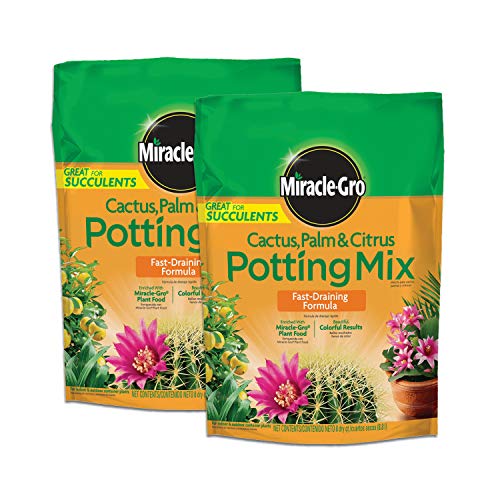
This fast-draining mix is enriched with Miracle-Gro Plant Food and is designed for cacti, potted palms, citrus, and succulents. While BoP favors moisture retention, a well-draining substrate is essential to avoid root rot in wet climates or during humid conditions. This option is suitable for BoP scenarios when the plant is kept in bright light and requires excellent drainage in the container setup.
Gardeners should balance the need for drainage with occasional feeding to support tropical foliage growth. For Bird of Paradise, consider pairing with a moisture-retentive top layer or supplementing with a slow-release fertilizer to maintain steady nutrition across the growing season.
Buying Guide: Key Purchase Considerations For Bird Of Paradise
Selection criteria for Bird of Paradise potting soil focus on drainage, moisture management, and nutrient availability. BoP plants prefer rich yet well-aerated mixes that avoid compacted soils. Here are essential factors to compare across options:
- Drainage and aeration: Look for blends that include perlite, pumice, or shredded bark to improve airflow and prevent root rot in humid environments.
- Moisture retention: While good drainage is critical, some moisture retention helps roots stay consistently hydrated between watering cycles, especially in containers.
- pH balance: A slightly acidic to neutral pH (roughly 6.0–7.0) supports nutrient uptake for BoP; some products specify exact pH targets (e.g., 6.0–6.5).
- Nutrient content: Pre-fertilized mixes provide a head start, but slow-release options or organic amendments can support longer-term growth without frequent feeding.
- Organic vs. synthetic: Organic blends with peat, coco coir, worm castings, and humus appeal to eco-conscious gardeners, while synthetic mixes offer convenience and predictable results.
- Container size and re-potting: Choose a soil volume that matches pot size and plan for re-potting every 1–2 years to maintain root health and growth potential.
- Compatibility with related tropicals: If you grow a variety of tropical plants, a general tropical mix can simplify care, but BoP-specific blends may yield better results for the crane flower’s growth pattern.
Practical tips: water only when the top inch of soil dries, avoid overwatering, and consider pairing a boisterous top-dressing with a slow-release fertilizer during the growing season to sustain vigorous blooms.