Direct answer: selecting the right potting soil depends on your planting goals and space. For outdoor containers, look for mixes with natural fertilizers or moisture retention; for indoor plants, choose moisture-regulating formulas. This guide highlights five versatile potting soils that support flowers, vegetables, herbs, and houseplants, along with practical buying considerations and a compact comparison table.
| Product | Best For | Key Benefit |
|---|---|---|
| Miracle-Gro Organic Outdoor Potting Mix (16 qt) | Outdoor container gardens | Quick-release natural fertilizer; OMRI-listed |
| Miracle-Gro Potting Mix (16 qt, 2-Pack) | All types of outdoor containers | Feeds up to 6 months; promotes growth |
| Back to The Roots Organic Coir, 51 Quart Expanding Soil | Seeds and versatile potting | Coir-based; peat-free; expands to large volume |
| Miracle-Gro Moisture Control Potting Mix (8 qt, 2-Pack) | Containers with variable moisture | Controls watering; increases water absorption |
| Garden Magic Michigan Peat 40 lb Potting Mix | Indoor and outdoor general use | Moisture-retaining blend; versatile |
Miracle-Gro Organic Outdoor Potting Mix

Type: Outdoor container soil. Features quick-release natural fertilizer and feeds plants for up to 2 months. Made with responsibly sourced peat. Suitable for flowers, vegetables, herbs, annuals, and perennials in outdoor containers.
Best for: Gardeners who want convenient fertilization paired with potting soil for outdoor containers. Suitable for a wide range of plants in patios, balconies, or decks.
Caution: May be more expensive than basic mixes; choose if you need quick nutrition rather than long-term nutrient reserve.
Miracle-Gro Potting Mix (16 qt, 2-Pack)

Type: Outdoor container potting mix. Features up to 6 months of plant feeding and growth promotion versus unfed plants. Designed for use with a variety of outdoor container plants including flowers, vegetables, and herbs.
Best for: Those who want extended feeding without frequent soil changes. Better for busy gardeners needing longer-lasting nutrition.
Limitation: Growth claims are relative to plant type and care; not a substitute for steady watering or pest control.
Back to The Roots Organic Coir Expanding Soil

Type: Coir-based potting soil that expands to a larger volume. Includes a 10 lb block of coir and expands to about 51 quarts, offering a peat-free option with a balanced pH for versatile use in seeds, pots, or ground amendments.
Best for: Gardeners seeking a peat-free, expandable growing medium suitable for seeds, cuttings, and general container use.
Limitation: Coir-based mixes may require different watering schedules than traditional peat-based mediums; monitor moisture to avoid drying out or overwatering.
Miracle-Gro Moisture Control Potting Mix

Type: Moisture-control potting mix for containers. Protects against over- and under-watering and absorbs more water than basic mixes due to coir, peat, and wetting agents. Suitable for a broad range of container plants.
Best for: Gardens with inconsistent irrigation or for busy households where watering accuracy is challenging. Better for climates with variable humidity.
Limitation: Some users may prefer peat-free options if avoiding nonrenewable resources is a priority.
Garden Magic Michigan Peat Potting Mix
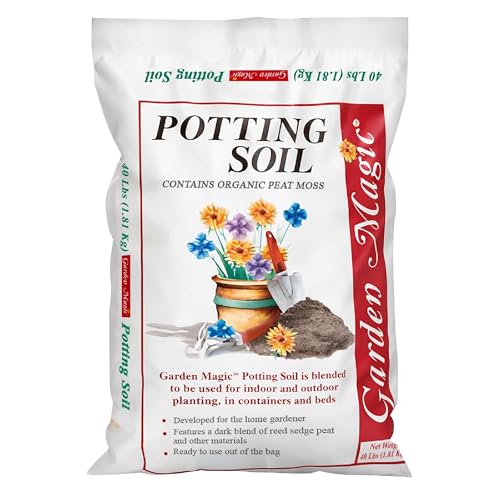
Type: General-purpose potting mix for indoor and outdoor use. Features a moisture-retentive blend designed to sustain plant growth during moderate dry periods. Suitable for a wide range of greens and planting setups.
Best for: A versatile option for homeowners who want one soil mix for both indoor planters and outdoor pots. Good for beginners and seasoned growers alike.
Limitation: Contains peat; consider peat-alternative mixes if peat-sustainability is a priority.
Buying Guide
What should you consider before buying potting soil?
Soil composition matters. Look for peat-based mixes if you need strong moisture retention and structure, or peat-free options like coir for a renewable alternative. Consider nutrient content and whether the mix contains fertilizers, as some products feed plants for several months.
Moisture management or nutrient longevity?
If you struggle with watering, choose moisture-control or water-retaining formulas. If you want long-lasting nutrition with minimal maintenance, pick soils that feed for 4–6 months. For seed starting or cuttings, ensure the mix is light and well-draining.
Indoor vs. outdoor use
Indoor potting soil often prioritizes moisture regulation and gentle nutrients to avoid root burn in houseplants. Outdoor mixes emphasize drainage, larger particle sizes, and sometimes extra fertilizer for container gardens exposed to sun and wind.
Environmental and availability considerations
Peat sustainability matters. If possible, select peat-free mixes (such as coconut coir or recycled bark composites). Availability and bag size may affect long-term projects; larger bags reduce per-unit cost and reduce waste from frequent purchases.
Summary of chosen products
- Miracle-Gro Organic Outdoor Potting Mix: Best for immediate feeding in outdoor containers.
- Miracle-Gro Potting Mix (2-Pack): Best for long-lasting nutrition in diverse outdoor containers.
- Back to The Roots Organic Coir Expanding Soil: Best peat-free option; great for seeds and flexible potting.
- Miracle-Gro Moisture Control Potting Mix: Best for erratic watering environments.
- Garden Magic Michigan Peat Potting Mix: Best general-use mix for indoor and outdoor plants.
Frequently Asked Questions
What is potting soil best used for?
Potting soil is designed for container growth, providing aeration, drainage, and nutrients suited to pots, planters, and raised beds.
Do I need to feed plants with potting soil?
Many potting soils include slow-release or quick-start fertilizers. If not, you may need to supplement with fertilizer according to plant needs and container life cycle.
Is peat bad for the environment?
Peat extraction can impact ecosystems. Consider peat-free or recycled-content mixes when possible and durable alternatives like coir or recycled organics.
How often should I repot and refresh soil?
Repotting frequency depends on plant growth and soil condition. Generally, refresh soil every 1–2 years or when drainage declines or roots become crowded.
Can I use indoor soil outdoors?
Outdoor conditions can alter moisture and nutrient dynamics. Choose outdoor-specific mixes for container gardening or adjust watering and feeding accordingly.