If you’re searching for the best potting soil for Peace Lily plants, these options are chosen to promote strong roots, balanced moisture, and vibrant blooms in indoor settings. Suitable for beginners and experienced indoor gardeners, they emphasize drainage, aeration, and nutrient availability tailored to Spathiphyllum. The list below highlights five products that balance consistency, usability, and live plant health. The buyer’s guide at the end explains key choices to match your space and care routine.
Summary of top picks:
| Product | Size / Quantity | Best For |
|---|---|---|
| Leaves and Soul Professional Peace Lily Potting Soil Mix | 2.2 Quarts | Indoor Peace Lilies requiring nutrient-rich, ready-to-use mix |
| Soil Sunrise Peace Lily Potting Soil Mix | 8 Quarts | Mid-sized to larger Peace Lily pots, balanced moisture and aeration |
| Omitgoter Premium Peace Lily Potting Soil | 1 Quart | Compact pots or starter setups needing breathable, natural mix |
| Soil Sunrise Peace Lily Potting Soil Mix | 12 Quarts | Bulk planting or repotting multiple Peace Lilies |
| Miracle-Gro Indoor Potting Mix for All Plants | 6 qt (2-Pack) | Versatile indoor use with extended feeding interval |
Leaves and Soul Professional Peace Lily Potting Soil Mix 2.2 Qt

This professional soil mix targets Peace Lily growth with a nutrient-rich blend designed to support robust root development and vibrant blooms. It enhances nutrient uptake and fertilizer absorption, helping indoor Peace Lilies establish strong structure. Best for indoor flowering plants and tropical houseplants that require well-draining, aerated soil.
Who it’s best for: indoor gardeners needing a ready-to-use mix that supports fertilizer efficiency and lush foliage. Limitation: may be more expensive per quart than bulk options, and not designed for outdoor use.
Soil Sunrise Peace Lily Potting Soil Mix 8 Quarts
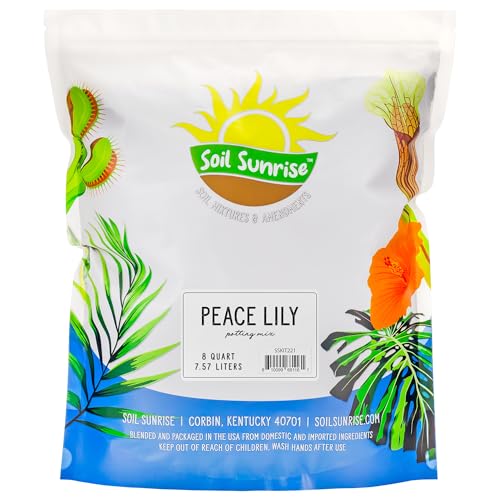
100% natural potting blend formulated for Spathiphyllum, without added chemicals or artificial fertilizers. It prioritizes nutrient retention and aeration while maintaining balanced pH, supporting steady growth and healthy root systems in indoor containers.
Who it’s best for: gardeners seeking a chemical-free option with reliable moisture management. Limitation: bulk size may be more than needed for a single plant or small setups.
Omitgoter Premium Peace Lily Potting Soil 1 Quart

All-natural mix crafted from peat, coconut coir, perlite, worm castings, and humus to provide breathable, well-draining soil. It is nutrient-packed and designed to support lush foliage and blooms in Peace Lilies, with a balanced pH suitable for indoor plants.
Who it’s best for: small planters or hobbyists needing a simple, chemical-free option. Limitation: smaller bag size may require more frequent replacements for active growers.
Soil Sunrise Peace Lily Potting Soil Mix 12 Quarts

Another Soil Sunrise option, this 12-quart mix emphasizes natural ingredients, no chemicals, and formulations designed for nutrient retention and good root aeration. It is suitable for larger repotting projects or multiple Peace Lilies in a shared container setup.
Who it’s best for: bulk buyers or households growing several Peace Lilies. Limitation: larger quantity may be unnecessary for single-plant users.
Miracle-Gro Indoor Potting Mix for All Plants 6 qt
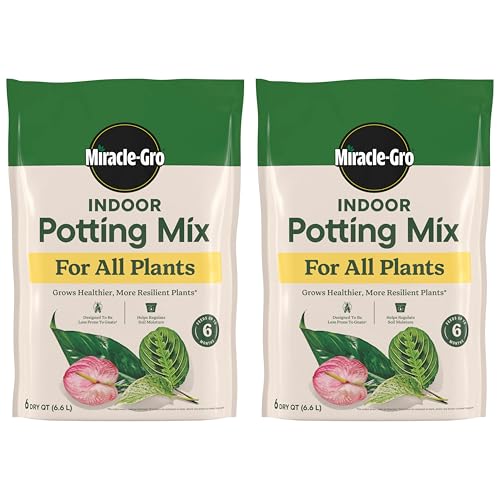
Miracle-Gro Indoor Potting Mix blends sphagnum peat moss, coconut coir, and perlite for water retention and release, designed for a wide range of indoor container plants. It does not include compost or bark to minimize fungus gnats in many setups. It’s ideal for general houseplants beyond Peace Lilies.
Who it’s best for: mixed indoor plant collections needing a familiar, long-lasting feeding cycle. Limitation: lacks Peace Lily-specific nutrient targets; may require additional fertilization for peak bloom potential.
Buying Guide
What matters most when choosing soil for Peace Lily?
Key factors include drainage, aeration, and moisture retention. Peace Lilies prefer evenly moist soil that never stays soggy. Look for blends with perlite or coco coir to improve drainage, peat or humus for moisture retention, and a balanced pH close to neutral.
Should you use ready-to-use mixes or bulk blends?
Ready-to-use mixes offer convenience and consistent performance, especially for beginners. Bulk blends can save money for households with multiple plants, but require more measurement and mixing at home to achieve the right texture.
Is chemical-free better for Peace Lilies?
Chemical-free or naturally derived blends reduce the risk of fertilizer burn and may suit sensitive plants. However, some gardeners prefer blends with controlled-release fertilizers for extended feeding. Choose based on your plant’s tolerance and care routine.
How much soil do you need for repotting?
For a single Peace Lily, a potting mix in the 2–8 quart range is typical when repotting into a pot of similar size. Larger collections or bigger containers require proportionally larger quantities. Always fill the pot to the root zone with a light, airy mix.
What about pH and fertilizer considerations?
Peace Lilies thrive in near-neutral pH soil. If a blend doesn’t specify pH, monitor plant health for signs of nutrient deficiency or excess. If using a mix without fertilizer, plan to apply a balanced indoor plant fertilizer per package directions after establishing growth.
What are practical buyer tips?
- Choose a soil that prioritizes drainage for Peace Lilies to avoid root rot.
- Opt for blends designed for indoor flowering plants when possible.
- Consider bag size in relation to the number of Peace Lilies you own.
- Check for organic or natural components if you prefer chemical-free options.
Frequently asked questions
- What soil is best for peace lilies? A well-draining, aerated mix with peat, coco coir, perlite, or similar components. Look for blends labeled for Peace Lilies or indoor flowering plants.
- Can I use all-purpose potting soil for a Peace Lily? Yes, but ensure it drains well and doesn’t compact easily. Some mixes include extra perlite to improve drainage.
- Do Peace Lilies need fertilizer? They benefit from gradual feeding. If the soil is nutrient-rich, extra fertilizer may be less urgent; otherwise use a balanced indoor plant fertilizer as directed.
- How often should I repot a Peace Lily? Repot when roots become crowded or growth slows. Fresh soil each time helps promote healthy root systems.
- Is organic soil better for Peace Lilies? Organic or natural blends can be gentler and improve soil biology, but ensure it still provides adequate drainage and nutrients.
- Should I mix my own soil? DIY mixes allow customization for your plant’s needs but require careful balancing of moisture retention and aeration. For ease, start with a proven Peace Lily-specific blend.