Propane heaters can extend the growing season by delivering reliable warmth in greenhouse environments. This guide highlights five propane-powered options that balance heat output, safety, and portability, helping you choose a heater that suits your space. Each product below includes key specs and how it can perform in a greenhouse or sheltered outdoor area.
| Product | Brand | BTU | Type | Notes |
|---|---|---|---|---|
| Avenger FBDTP15 Infra-Red Tank Top Outdoor Heater | Avenger | 15,000 | Infrared, Tank Top | Portable, swivel head |
| Cuisinart Portable Tabletop Patio Heater | Cuisinart | 11,000 | Propane Tabletop | Safe tilt switch, compact |
| Mr. Heater 15,000 BTU Single Tank Top Heater | Mr. Heater | 15,000 | Propane Tank Top | Quiet radiant heat, portable |
| ProCom ML100TBAHR Ventless Propane Heater | ProCom | 10,000 | Blue Flame Ventless | Thermostat control, wall mount |
| MOZODAWN 2-in-1 Propane Heater & Stove | MOZODAWN | 13,000 | Heater & Stove | Indoor/outdoor versatility |
These selections emphasize versatility for greenhouse settings: ample BTUs, portability for relocating heat, and built-in safety features to help manage heat without creating unsafe conditions in a humidity-rich environment. Always ensure adequate ventilation when running propane heaters in enclosed spaces.
Avenger FBDTP15 Infra-Red Tank Top Outdoor Heater

The Avenger FBDTP15 provides 15,000 BTU of infrared heat, designed for use with refillable propane tanks. It is listed for outdoor use but can support greenhouse edges with proper ventilation and placement. It offers three heat settings (low, medium, high) for adjustable warmth and features a durable front and rear wire guard for safety. The heater is quick to heat and easy to connect, with the top burner head that swiveled up to 45 degrees enabling directional heat toward plant beds or benches. This model emphasizes portability and rapid warmth, useful for transient or shaded greenhouse zones.
Cuisinart Portable Tabletop Patio Heater
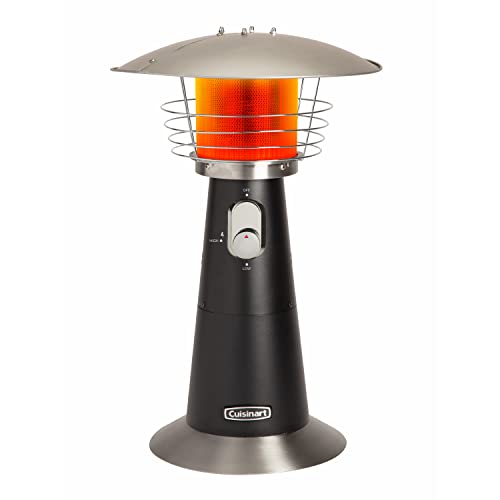
With 11,000 BTUs, this propane table heater delivers even heat across about 30 square feet. Its reflector top plate helps distribute warmth evenly, which can aid in maintaining a stable microclimate near seedlings or small benches. The built-in tilt switch provides a safety shut-off and the burner screen guard reduces accidental contact with hot components. Its compact and portable design makes it suitable for sheltered greenhouse corners or patio-adjacent grow spaces where a compact heat source is advantageous.
15,000 BTU Single Tank Top Portable Propane Radiant Heater

This 15,000 BTU unit from Mr. Heater offers quiet radiant heat with multiple BTU settings (15,000/12,500/10,000). The design prioritizes rapid warmth for smaller greenhouse sections or workspaces near pots and seed trays. A tip-over safety shut-off adds a critical safety feature when used in areas with plants or flammable materials. The radiant heat provides a directional warmth that can be dialed to target zones, making it practical for localized cold spots inside a greenhouse or workshop space adjacent to the growing area.
ProCom ML100TBAHR Ventless Propane Heater

The ProCom ML100TBAHR is a ventless blue flame heater rated at 10,000 BTU, designed to heat up to 300 square feet. It includes thermostat control for automatic cycling, which helps maintain a consistent greenhouse temperature without manual adjustments. The unit can be wall-mounted, saving floor space, and is engineered for indoor use where moisture and humidity are present. However, ventless operation requires careful attention to ventilation guidelines to prevent buildup of combustion byproducts in enclosed spaces.
MOZODAWN 2-in-1 Propane Heater & Stove

MOZODAWN offers a 2-in-1 propane heater and stove with up to 13,000 BTU. This versatility supports both space heating and light cooking or boiling tasks in a greenhouse or nearby shelter, making it a practical option for extended cold spells. The device emphasizes stable build quality, stainless steel threaded interfaces, adjustable firepower, and a portable handle for easy transport. The 360-degree radiant heat helps distribute warmth more evenly in tented or open greenhouse layouts, especially where proper clearance is maintained.
Buying Guide: Key Purchase Considerations For Greenhouses
When selecting a propane heater for greenhouse use, consider the following factors to ensure safety, efficiency, and effective heat delivery:
- Heat output vs. space: Calculate the greenhouse or bench area (in square feet) and compare BTU needs. Larger spaces may require higher BTU units or multiple heaters to maintain uniform warmth.
- Heat distribution: Infrared heaters provide directional warmth, ideal for targeted zones, while blue-flame or radiant models offer broader heat. Consider your layout to minimize cold spots near plant roots.
- Ventilation and air quality: Ventless heaters can work in semi-enclosed areas but require adequate air exchange to avoid buildup of combustion byproducts. Ensure ventilation meets safety guidelines for indoor gardening spaces.
- Safety features: Look for tip-over switches, flame-out protection, thermostat control, and heat shields or guards. These features reduce risk around organic matter and moisture nearby.
- Portability and setup: For seasonal adjustments, choose models with lightweight frames, swiveling heads, or table-top designs. Portability helps when repositioning heat to molding areas or new plantings.
- Fuel availability and maintenance: Refillable propane tanks are common; verify ease of refilling and replacement. Regular inspection of hoses and fittings is important to prevent leaks.
- Durability in damp environments: In greenhouse settings, equipment should resist corrosion and humidity. Look for models with protective housings and sturdy guards.
- Noise, emissions, and safety approvals: Choose units with low noise output and certifications that align with local safety regulations and greenhouse practices.
- Power and ignition: Some units require electricity for ignition or fans; others are flame-lit and rely on manual ignition. Plan your power sources accordingly.
In greenhouse applications, balance heat delivery with airflow and humidity control. Infrared models excel for spot heating near beds, while larger blue-flame or multi-burner units can raise ambient temperatures across a wider area. Always follow manufacturer guidelines for safe operation, proper clearance around plants, and ventilation requirements to maintain a healthy growing environment.