The best protection for a vegetable garden involves a lightweight, durable barrier that keeps pests out while preserving light, air, and water for plant health. This article compares five top-rated garden netting and covering options, explaining who each is best for and why. Ideal buyers include small urban plots, raised beds, and veggie rows needing ongoing protection from insects, birds, and small animals. Use the quick-reference table to compare key features at a glance.
| Product | Best For | Key Benefit |
|---|---|---|
| Garden Netting Pest Barrier (Garden Tailor) | Raised beds and home gardens | Effective bug barrier with UV-safe HDPE |
| 2 Pack Garden Netting (Purple Star 1N) | Raised beds and garden beds with lightweight protection | Drawstring, breathable fine mesh |
| DECOHS Garden Row Accelerator | Compact rows and small plots | Foldable, PVC grid fence for quick setup |
| warmfarm 4ft Garden Row Accelerator | Standard raised beds and vegetable rows | Pop-up, ready-to-use protection |
| Ruolan Bird Netting 13×20 ft | Longer runs and fruit trees with bird protection | Reusable polypropylene mesh |
Garden Netting Pest Barrier: Garden Tailor
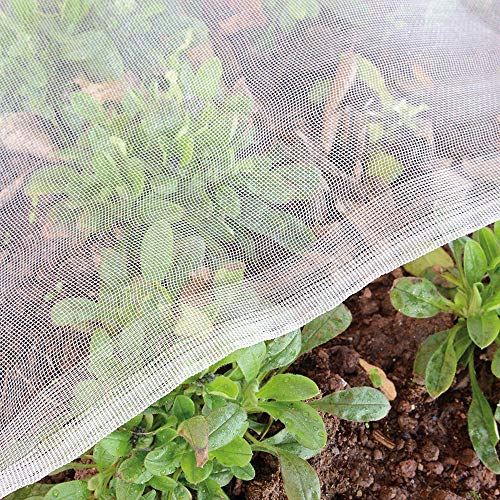
Best for versatile protection across vegetables, fruits, and flowers. This 4’x10′ netting acts as a physical barrier against cicadas, carrot fly, aphids, and other pests while remaining lightweight enough for easy handling. UV-resistant and made of 100% new HDPE, it preserves plant health without shading crops. The tight selvedge reduces unraveling, and its openness supports air and light movement for healthy growth. Consider this option for raised beds or row covers where broad insect protection is needed. Caution: avoid prolonged full shade, which can limit photosynthesis in sealed setups.
2 Pack Garden Netting: Purple Star 1N

Best for raised beds needing comprehensive protection without restricting airflow. The fine mesh blocks insects, birds, and small animals while allowing sunlight, water, and air to reach roots. Drawstring design helps secure the cover to the garden bed, preventing wind displacement. Made from nylon fabric, it’s lightweight, tear-resistant, and long-lasting. Choose this when you want quick, adjustable protection with easy removal for harvests. Limitation: ensure it fits your bed dimensions, as some setups may require trimming.
DECOHS Garden Row Accelerator

Best for small or narrow garden rows where a foldable, lightweight cage is advantageous. This 32″ x 13″ x 14″ net cage folds for storage and uses PVC grids with a yellow edging for visibility and durability. It provides stable protection from weather and pests, though it’s most effective when used as a temporary or seasonal cover due to limited air movement when fully closed. Choose this if you value compact storage and reuseability.
warmfarm 4ft Garden Row Accelerator

Best for quick deployment and convenience. This 4-foot tunnel net uses a pop-up design with a hoop frame and reinforced netting. It blocks common pests like aphids, whiteflies, and caterpillars while maintaining breathability and light transmission. Suitable for most standard raised beds, it saves time and effort, making it ideal for gardeners who value speed and ease of use. Caution: ensure the footprint fits your bed length to avoid gaps at the ends.
Ruolan Bird Netting for Garden
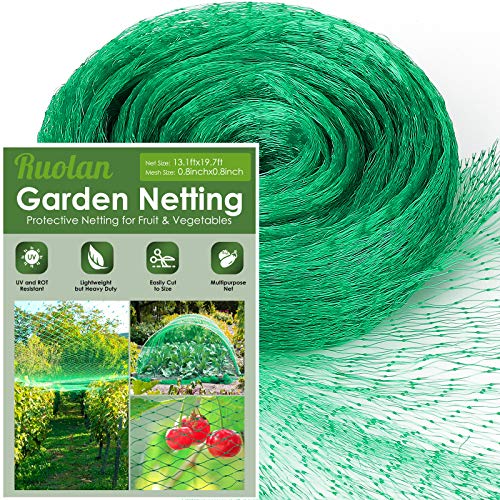
Best for long runs and tree protection. This 13×20 ft netting uses a sturdy polypropylene mesh that’s reusable and resistant to tearing, rust, and rot. It’s easy to DIY-cut to fit irregular shapes and stake in place for wind resistance. Choose Ruolan for protecting larger areas or longer rows where birds and mammals pose a persistent risk. Limitation: very large installations may require multiple rolls and more setup time.
Buying Guide: How to Choose Garden Netting and Plant Protectors
What level of pest pressure do you face? Assess the primary pests (insects, birds, small mammals) and choose a mesh size that blocks them without overly restricting air and light. For fruiting plants, slightly larger openings may help with pollinator access while keeping pests at bay.
How large is your growing area? Measure bed dimensions and consider expandable or modular nets for raised beds, rows, and long borders. Look for adjustable closures (drawstrings or fasteners) to secure nets against wind.
Is ease of use important? If you frequently plant and harvest, a pop-up or foldable design can save time and reduce setup effort. Reusability and storage options are also practical considerations for seasonal gardens.
What materials fit your climate? UV-resistant HDPE, nylon, and PE fabrics offer longevity in sun-drenched climates. Ensure the material is safe for plants and won’t leach chemicals into the soil.
How will you secure the barrier? Ground stakes, clips, or ground nails help prevent lifting in windy conditions. Ensure the setup allows adequate airflow, sunlight, and irrigation access for healthy plant growth.
FAQ
- What is the best mesh size for protecting vegetables from insects without hindering growth?
Answer: A mesh around 0.8 mm x 1 mm is common for blocking small insects while allowing light, air, and water to pass. - Can these nets protect against birds and deer?
Answer: Many nets deter birds; larger animals like deer may require heavier-framed enclosures or taller barriers in addition to netting. - Are these nets reusable across seasons?
Answer: Most options described are designed for reuse with proper care and storage. - Will nets affect pollination?
Answer: Use seasonally and remove nets during flowering if pollinators are needed, then reapply after fruit set if pests persist. - How do I install nets on irregularly shaped beds?
Answer: Choose nets with adjustable drawstrings or flexible framing, and trim to fit while securing edges with stakes or clips. - Do these protect against heavy rainfall?
Answer: Netting is primarily for pest protection; during heavy rain, ensure nets are not fully sealed to maintain airflow and prevent condensation buildup.