Direct answer: Pyrethrin sprays offer fast-acting, natural pest control for gardens and houseplants, targeting common insects with minimal environmental impact when used as directed. This guide highlights top pyrethrin-based sprays and concentrates, ideal for gardeners who want effective control without harsh synthetic chemicals. The best picks include ready-to-use formulas for quick treatment, and concentrates for mixed-function applications. Each product below is evaluated for what type of buyer it suits best—seasonal gardeners, organic enthusiasts, or those managing larger outdoor spaces.
| Product | Best For | Why It Stands Out |
|---|---|---|
| Bonide Pyrethrin Garden Insect Spray Concentrate, 8 oz | Seasonal gardeners seeking fast control | Fast-acting, versatile on vegetables and ornamentals |
| Bonide Captain Jack’s Deadbug Brew Ready-to-Use Spray, 32 oz | Organic-focused setups | Ready-to-use, broad pest coverage including mites |
| Bonide Pyrethrin Garden Insect Spray Concentrate, 16 oz | Gardeners needing larger batches | Concentrate with same active ingredient for flexible mixing |
| Southern Ag 10401 Natural Pyrethrin Concentrate, 8oz | Budget-conscious, DIY mixes | Concentrate option for value and customization |
| Bonide Pyrethrin Garden Spray, 8-oz. | Spot treatments, quick targeting | Easy-to-use concentrate with targeted application |
Bonide Pyrethrin Garden Insect Spray Concentrate, 8 oz

Active ingredient: Pyrethrin, derived from chrysanthemum flowers. Designed for outdoor use on asparagus, beans, broccoli, peppers, spinach, tomatoes, and various ornamentals. This concentrate allows you to mix the amount you need, offering flexibility for large or small applications. Best for gardeners who prefer DIY mixing and a biodegradable insecticide that targets a broad range of garden pests by affecting the pests’ nervous systems.
Best for: Seasonal gardeners who want a reliable, fast-acting control with customizable mixing. Use caution on edible crops; follow label directions to determine safe harvest timelines.
Bonide Captain Jack’s Deadbug Brew Ready-to-Use Spray, 32 oz
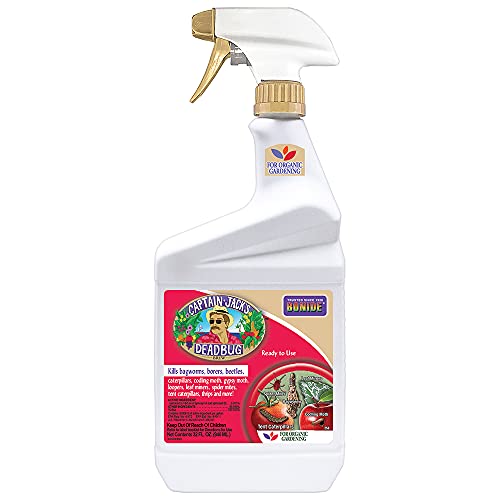
This ready-to-use spray targets a wide range of pests including bagworms, beetles, caterpillars, spider mites, and thrips. Its broad foliage coverage makes it suitable for vegetables, fruiting crops, and ornamental plants. Best for: Organic or mixed gardens where quick, surface-level knockdown is preferred without preparing a solution. Limitation: Not ideal if you need precise, low-spray-volume applications on delicate foliage or edible crops with strict residue guidelines.
Bonide Pyrethrin Garden Insect Spray Concentrate, 16 oz

A larger concentrate option with the same pyrethrin active ingredient. It protects vegetables, trees, flowers, and ornamentals—suitable for home gardens and landscape plantings. Best for: Gardeners who need more concentrated product per purchase to cover bigger areas or multiple applications. Caution: Always test on a small leaf area to confirm no phytotoxicity on sensitive plants.
Southern Ag 10401 Natural Pyrethrin Concentrate, 8oz

Designed for multiple uses, this concentrate is labeled for use on most insects. It can also function as a dog dip in some contexts and is intended to control pests on fruits and vegetables. Best for: DIYers who want a flexible concentrate for different treatment scenarios. Limitation: Effectiveness depends on proper mixing and coverage; follow label directions carefully to avoid plant stress.
Bonide Pyrethrin Garden Spray, 8-oz

A powerful pyrethrin spray formulated for fast insect control across a wide pest spectrum, including vegetables, flowers, and ornamentals. Best for: Home gardeners who want a convenient concentrate for spot or broad treatments. Benefit: Mixes with water to deliver targeted application with limited runoff when used as directed. Caution: Some crops or varieties may require careful timing to avoid residue concerns on edible harvests.
Buying Guide
Key considerations help compare pyrethrin sprays to match your gardening goals.
- Form and readiness: Choose ready-to-use sprays for quick responses or concentrates for larger properties and customized mixes.
- Target pests: Review which insects are listed or commonly affected—aphids, beetles, mites, and caterpillars are typical targets.
- Edible crops: If you grow vegetables or herbs, verify harvest intervals and safe-use guidelines on the label.
- Plant sensitivity: Test on a small area first, especially for delicate ornamentals or new plantings.
- Environmental impact: Pyrethrin breaks down relatively quickly, but avoid excessive applications near pollinators and water sources.
- Mixing and application: Follow mixing ratios precisely to ensure efficacy without phytotoxicity or runoff.
Frequently Asked Questions
- What plants can I spray with pyrethrin? – Pyrethrin sprays are commonly used on vegetables, fruits, flowers, and many ornamentals. Always follow label directions for specific crops and harvest timelines.
- Are pyrethrins safe for beneficial insects? – Pyrethrins can affect beneficial insects if used indiscriminately. Target applications and spot treatments are recommended to minimize impact on predators and pollinators.
- How do I mix a pyrethrin concentrate? – Concentates require dilution with water to labeled volumes. Use clean equipment and mix in a well-ventilated area, following the product’s directions.
- Can I spray pyrethrin indoors? – Some pyrethrin products are labeled for indoor use on houseplants, but always check the label for indoor suitability and safety guidelines.
- Will pyrethrin leave harmful residues? – Pyrethrins degrade relatively quickly, but residue guidelines vary by crop. Always observe recommended intervals before harvest.
- Which is best for beginners? – Ready-to-use formulations provide straightforward application and timing, making them ideal for beginner gardeners.