Need red wigglers to improve compost speed and soil health? This guide highlights five top options for American buyers, including starter packs and larger populations. Best for beginners, best for steady ongoing supply, and best for larger gardens, these picks cover different needs and budgets. Each profile notes who it’s ideal for and why it’s a solid choice for vermicomposting.
| Product | Best For | Why It Stands Out |
|---|---|---|
| Uncle Jim’s Worm Farm 1000 Count Red Wiggler Worms | Multi-bin compost systems and serious hobby setups | High diversity and rapid processing across compost layers |
| Uncle Jim’s Worm Farm 100 Count Red Wiggler Worms | Starter kits and small-scale gardens | Good balance of population size and value for beginners |
| Worm Nerd Composting Red Wriggler Mix Live Worms | Eco-conscious users with climate limits | Compact lot with emphasis on sustainable living, note ship restrictions |
| NaturesGoodGuys Live Redworms 1,200 | Active worm beds and larger gardening projects | Large count for robust vermicomposting and soil enrichment |
| WWJD Worms Red Wigglers | Indoor or outdoor bins, versatile climates | Compost-focused worms with broad adaptability and growth |
Uncle Jim’s Worm Farm 1000 Count Red Wiggler Worms

The Best Worms for Composting: Red Wigglers harvested from long-standing worm beds. Diversity supports processing across all compost layers, improving results in less time. Worm castings are rich in nutrients for garden soil.
Best for: serious beginners and intermediate setups who want a sizeable starter population to accelerate composting. Caution: results depend on proper bin management and food scraps balance.
Uncle Jim’s Worm Farm 100 Count Red Wiggler Worms

The Best Worms For Composting: A compact batch of Red Wigglers that still provides robust composting work across layers. The worm castings produced can boost soil fertility for lawns and gardens.
Best for: small-scale bins, classrooms, or new worm friends starting with a modest population. Caution: smaller bag size means more frequent replenishment may be needed for larger volumes of scraps.
Worm Nerd Composting Red Wriggler Mix Live Worms

Right Choice For Sustainable Living: Red wigglers from Arcadia Garden are presented as a sustainable option for composting and soil improvement. They help dispose of organics while producing worm castings that enrich soil.
Best for: eco-conscious homes and educational setups focused on sustainability. Caution: note the listing states a Hawaii shipment restriction, which may affect delivery options in some locations.
NaturesGoodGuys Live Redworms 1,200 Red Wigglers
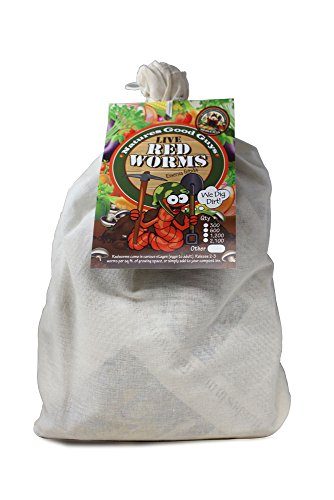
Live Assurance and High Population: A large batch designed to jump-start or sustain a high-output worm bin. Red wigglers convert organic waste into nutrient-rich compost effectively.
Best for: gardeners needing a strong, ongoing vermicompost supply. Caution: ensure bin setup accommodates a larger worm population to prevent crowding.
WWJD Worms Red Wigglers

Healthy Red Worms For Thriving Plants: These composting worms aim to deliver nutrient-rich vermicompost suitable for indoor or outdoor bins. They adapt to various temperatures and conditions, supporting diverse garden setups.
Best for: bins with flexible climate ranges and users seeking versatile applications. Caution: performance depends on proper moisture and bedding management.
Buying Guide
- Best population size for your setup: Choose 100, 250, or 1000+ worms based on bin volume and kitchen waste. Larger populations accelerate composting but require more careful feeding and bin management.
- Climate and shipping considerations: Some sellers note shipping restrictions or climate-related limitations. Plan delivery timing around your local weather and ensure the worms can arrive in good condition.
- Diversity and worm health: Diverse worm populations can process waste more evenly across the bin. Look for descriptions that emphasize long-standing worm beds or mixed species when available.
- Feeding and bedding basics: For best results, maintain a balance of greens and browns, avoid overfeeding, and keep moisture consistent. Bedding should be breathable to prevent odor and anaerobic conditions.
- Purpose alignment: If you need soil amendment solely for garden beds, larger starter packs may be more cost-effective. If you’re new to vermicomposting, a smaller starter kit can help you learn and scale up gradually.
- Location and setup: Indoor bins work well in cool climates with adequate ventilation, while outdoor setups require protections from extreme temperatures and predators.
Frequently Asked Questions
- What are red wigglers best used for in composting?
They break down kitchen waste into nutrient-rich worm castings that improve soil fertility and structure.
- Do larger worm counts mean faster composting?
Generally yes, but the bin must be managed properly with balanced feeding and moisture to prevent odor and crowding.
- Can I keep red wigglers indoors?
Yes, with a suitable vermicompost bin that controls moisture, temperature, and airflow.
- Are there shipping restrictions to watch for?
Some listings note regional shipping limits; verify delivery eligibility for your location before purchasing.
- What maintenance does a worm bin require?
Regular feeding with small amounts of scraps, occasional turning, moisture checks, and proper bedding refreshment are key.