When choosing a reverse osmosis (RO) system for hydroponics, prioritize systems that deliver clean, contaminant-free water while offering sufficient daily output for your growing space. This guide highlights RO units suited for hydroponic use, explains who each product best serves, and provides practical purchase considerations. The top picks below are selected for reliability, filtration stages, and clarity on suitability for hydroponic gardening.
Summary of selected products:
- Aquatic Life RO Buddie 3-Stage Hydroponic RO System — 75 GPD — best for small to medium hydroponic setups seeking reliable filtration.
- Aquatic Life 5-Stage Hydroponic RO System — 200 GPD — ideal for larger gardens needing higher throughput and thorough filtration.
- Hydro-Logic Evolution RO High Flow — 1,200 GPD — best for high-demand environments or multiple growing systems.
- Aquatic Life 4-Stage RO/DI — 100 GPD — good balance of filtration stages and ease of use for mid-sized operations.
- Home Master HydroGardener Remineralizing RO — remineralizing option for hydroponics with added minerals.
Aquatic Life RO Buddie 3-Stage Hydroponic RO System

Best for smaller hydroponic systems that need dependable 75 GPD output with straightforward three-stage filtration. This RO unit is designed specifically for hydroponic use and focuses on producing clean water while reducing total dissolved solids (TDS). The system is suitable for hobbyists or compact setups where space and ease of use matter.
Who it’s best for: growers with limited space or those starting with hydroponics who require reliable, simple filtration. Why selected: balance of performance and compact design makes it a solid “start here” option for modest gardens.
Caution: limited to 75 GPD; higher-demand setups may require a larger model.
Aquatic Life 5-Stage Hydroponic RO System — 200 GPD

Best for larger hydroponic gardens that require higher daily output and thorough filtration. This 5-stage system handles up to 200 GPD and reduces a wide range of impurities, supporting healthier water for more extensive growing setups.
Who it’s best for: larger grows, multiple tanks, or areas needing high production. Why selected: high daily capacity and comprehensive filtration provide robust water quality for demanding hydroponic environments.
Limitation: may be more complex to install and maintain than smaller models.
Hydro-Logic Evolution RO High Flow System

Better for professional-scale hydroponics or facilities with high water demands. The Evolution RO High Flow system offers up to 1,200 GPD, making it a strong choice where a constant, large supply of purified water is essential.
Who it’s best for: commercial grows or multi-system operations. Why selected: exceptional flow rate supports continuous operations and scalable setups.
Caution: higher initial cost and larger footprint; may require professional installation for optimal performance.
Aquatic Life 4-Stage RO/DI Filtration System — 100 GPD
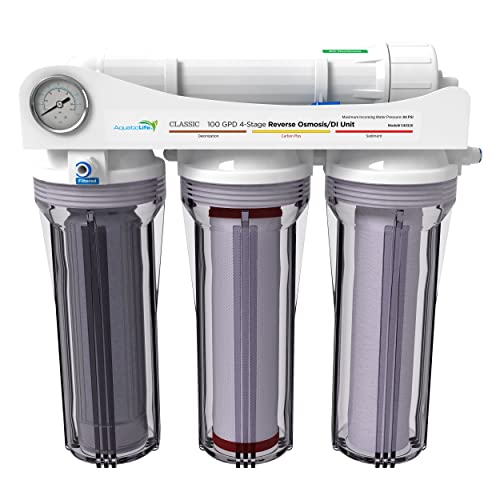
Best for hydroponic setups that benefit from a combined RO/DI approach with 100 GPD output. The DI stage helps reduce residual impurities after RO filtration, providing very clean water for sensitive plants.
Who it’s best for: growers needing extra impurity removal beyond RO, especially in areas with challenging tap water. Why selected: carbon-based filtration and DI add reliability for high-purity water.
Limitation: more components mean more potential maintenance and filter changes.
Home Master HydroGardener Remineralizing RO System

Best for hydroponics that require built-in remineralization. The HydroGardener system adds essential minerals (Calcium and Magnesium) to the purified water, supporting healthier plant growth and steady nutrient uptake.
Who it’s best for: growers who want mineral restoration as part of their water treatment. Why selected: remineralization can help stabilize nutrient availability in hydroponic ranges.
Caution: remineralization features may influence pH management; plan for compatible nutrient dosing.
Buying Guide: Key Considerations For Hydroponics
- Daily output needs: Estimate your total plant irrigation demand. Choose a system with a higher GPD if you operate multiple reservoirs or large beds.
- Filtration stages: More stages (RO, carbon, DI) yield purer water but add cost and maintenance. For sensitive crops, consider systems with DI or remineralization options.
- Water quality: Test your tap water for TDS, chloramines, and chlorine. Systems with pre-filters and carbon blocks handle toxins better in variable water sources.
- Remineralization: Some hydroponic setups benefit from added minerals. If you rely on distilled water, remineralizing units may be advantageous.
- Waste water ratio: Some models waste more water than they produce. If water usage is a concern, look for 1:1 or 2:1 waste-to-product ratios.
- Installation and space: Larger systems require more space and potentially professional installation. Consider under-sink or compact options for limited areas.
- Maintenance schedule: Plan for regular filter replacements and membrane checks. Keep spare cartridges on hand to minimize downtime.
Frequently Asked Questions
- What is the main benefit of an RO system for hydroponics?
– It provides water with low total dissolved solids, reducing variability in nutrient delivery and supporting consistent plant growth. - Do hydroponic systems require remineralization after RO filtration?
– Not always, but many crops benefit from added calcium and magnesium. Remineralizing options can simplify mineral management. - Can I run multiple hydroponic systems from a single RO unit?
– Yes, if the unit’s daily output meets the combined demand and your water source supports the system’s pressure and flow requirements. - What maintenance is typical for RO systems used in hydroponics?
– Change pre-filters and RO membranes per manufacturer guidance, inspect valves, and replace DI cartridges if present. - Is higher GPD always better for hydroponics?
– Higher GPD is helpful for large gardens or continuous irrigation, but consider space, cost, and water waste when choosing. - How do I know if my water needs remineralization?
– If your plant growth stagnates or you notice nutrient lockout, testing water mineral content and adjusting with remineralization may help.