Answering the question “which riding mower is best for hills,” this guide compares top options that handle slopes, uneven terrain, and confined spaces. The picks include durable gas machines for tough terrain, a high-performance zero-turn for side-slopes, and an electric option for smaller hills. Who should consider each product: homeowners with varied slopes, those needing fast mowing with professional-quality cuts, and buyers seeking lower maintenance or lower noise. Below, a quick table summarizes five strong choices and what they’re best for.
| Product | Best For | Key Benefit | Notes |
|---|---|---|---|
| CRAFTSMAN 36″ Gas Riding Lawn Mower | Small hills, gates, tight spaces | 11.5 HP Briggs & Stratton engine; 36″ deck | Mulching kit included |
| CRAFTSMAN 42″ Gas Riding Lawn Mower | Medium hills, even terrain | 17.5 HP Briggs & Stratton; 42″ deck | Optional mulching kit |
| Husqvarna Z254F 54 in. 23 HP | Steeper slopes, larger yards | 54″ deck; Kawasaki engine; hydrostatic | Best for bigger properties |
| EGO Power+ Electric Riding Lawn Mower | Light-to-moderate hills, quiet operation | Gas-equivalent power; cordless | Multiple batteries for extended use |
| Craftsman 46″ Gas Zero-Turn | Heavy slopes, rough terrain | 46″ dual hydrostatic; 22 HP Kohler | Rapid, precise mowing |
CRAFTSMAN 36″ Gas Riding Lawn Mower

Best for compact lots with modest slopes and tight gates. The 36″ gas ride-on mower uses an 11.5 HP Briggs & Stratton single-cylinder engine for reliable starts and steady power, delivering controlled mowing on hills and uneven ground. A reinforced stamped steel deck supports efficient cutting up to 2 acres, while the included mulching kit helps refine cut quality and return nutrients to the lawn. Great for homeowners who need a narrow mower that can still handle hills without sacrificing maneuverability.
Who it’s best for: small-to-mid sized properties with slopes and tight access. Why selected: proven power-to-width ratio makes hill mowing practical in restricted spaces. Caution: 36″ width may require more passes on very large, steep slopes; option to mulch is beneficial but not required for every yard.
CRAFTSMAN 42″ Gas Riding Lawn Mower
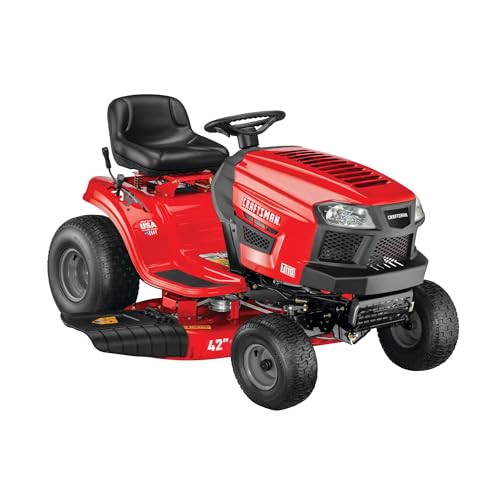
This model offers a taller deck and more horsepower for hills and mixed terrain. The 42″ gas rider is powered by a 17.5 HP Briggs & Stratton single-cylinder engine, delivering strong performance on inclines while maintaining ease of starting. The rugged stamped steel deck supports robust mowing up to 2 acres and accepts a mulching kit for professional-like finish. It’s a versatile choice for homeowners who need extra width and power without jumping to a larger, more cumbersome machine.
Best for: mid-sized slopes and wider paths. Why selected: stronger engine and wider deck improve efficiency on hills. Caution: 42″ width can be less nimble in very narrow spaces; ensure gate openings accommodate the mower.
Husqvarna Z254F 54 in. 23 HP Kawasaki
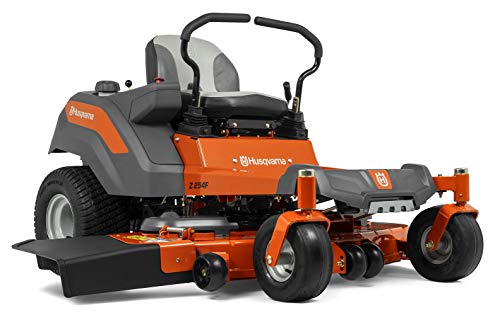
Designed for larger yards and steeper hills, the Z254F combines a 54″ ClearCut deck with a powerful 23 HP Kawasaki engine and a hydrostatic drive. The hydrostatic transmission provides smooth speed control and responsive turning on uneven terrain, which is essential for hillside mowing. The deep deck and efficient airflow support excellent bagging and mulching performance. It’s a top option when slope severity and yard size demand more power and a wider cutting footprint.
Best for: big hills and expansive lawns. Why selected: strongest combination of deck size and engine for hillside mowing. Caution: larger footprint and weight require more doorway and garage clearance and more careful slope negotiation.
EGO Power+ Electric Riding Lawn Mower

For buyers prioritizing quiet operation and lower maintenance on gentle slopes, this 42″ electric riding mower delivers gas-like power with cordless convenience. It uses six 56V 6.0Ah batteries to create a long-cut capability and can tackle up to 1.5 acres per charge, depending on grass condition. The model includes a digital display with blade settings, drive speeds, and cruise control for a controlled hillside mowing experience.
Best for: light-to-moderate hills and noise-sensitive properties. Why selected: electric efficiency and modular battery setup support multiple-yard sessions. Caution: longer cutting sessions may require additional battery packs for larger properties.
Craftsman 46″ Gas Zero-Turn Riding Lawn Mower

A zero-turn option designed for efficiency on mixed terrain and steeper slopes. The Craftsman 46″ zero-turn features a robust 22 HP Kohler 7000 Series engine and dual hydrostatic transmissions, enabling quick, tight turns and stable performance on undulating ground. The 46″ deck covers more ground per pass, reducing mowing time on hilly lawns. The included mulching kit helps return nutrients to soil while maintaining a clean cut.
Best for: challenging slopes and large properties where speed matters. Why selected: the zero-turn design improves maneuverability on hills and around obstacles. Caution: zero-turns require more active steering control, which may have a steeper learning curve for new users.
Buying Guide: Key Considerations For Hills And Slopes
- Engine power and traction: Hills demand more torque. Gas engines with higher HP and transmissions optimized for incline help maintain steady speed.
- Deck size and weight: A larger deck reduces passes on slopes but needs stable handling. On steep terrain, a compact or mid-width deck with good weight distribution helps traction.
- Transmission type: Hydrostatic transmissions provide smooth control on inclines; manual or belt-driven units may struggle on very steep grades.
- Turning and maneuverability: Zero-turn mowers excel at around obstacles and tight areas but require skill to handle on hills. Traditional riding mowers offer steadier forward control on slopes.
- Maintenance and fuel considerations: Gas units require regular maintenance; electric options reduce noise and fumes but need battery planning for larger yards.
- Terrain adaptability: If the yard includes wet patches or rough terrain, look for decks with reinforced construction and a design that resists scalping on hills.
Frequently Asked Questions
- What’s the safest mowing option for steep slopes? A mower with a robust hydrostatic transmission and wide wheelbase generally offers better control on hills; many homeowners prefer larger, stable riding mowers or wide-deck zero-turns for efficiency on slopes.
- Do zero-turn mowers perform well on hills? Yes, but they require careful steering on slopes and are best on medium-to-wide slopes with clear paths and fewer obstacles.
- Are electric riding mowers suitable for hilly terrain? They work for light-to-moderate hills and smaller properties; battery planning is essential for longer mowing sessions on slopes.
- How wide should a mower deck be for hills? A wider deck (50″–54″) can reduce mowing time on large slopes, but ensure it fits through gates and around obstacles.
- Is mulching beneficial on hills? Mulching returns nutrients and can improve lawn health, especially on slopes where clippings reduce soil erosion when evenly distributed.
- Should I consider a spare battery or fuel plan for hills? Yes, for longer hillside mowing sessions, plan for extra fuel or spare batteries to avoid mid-work interruptions.