Choosing the right greenhouse roofing is essential for protecting plants while maximizing light transmission and energy efficiency. Polycarbonate panels are a popular choice due to durability, insulation, and clear visibility. This guide highlights five well-regarded options available on Amazon, explaining how each panel set can improve your greenhouse environment and cut operating costs through better light management and temperature stability.
Summary of Selected Products:
- Tatuo 12 Pack 8′ x 2′ x 0.16” Twin-Wall Polycarbonate Panels
- VEVOR 12 Pack Polycarbonate Greenhouse Panels, 2′ x 4′ x 0.24”
- Hotop 6 Pcs Polycarbonate Panels, 4′ x 2′ x 0.24”
- YIQIFLY Polycarbonate Roofing Sheet, 2.6×19.7ft
- Bezseller 12 Pack 5’x2′ Polycarbonate Panels, 0.16”
Tatuo 12 Pack 8′ X 2′ Twin-Wall Panels

The Tatuo panels are thick and sturdy, offering a 0.16 inch thickness across 12 pieces measuring about 2 x 8 feet. The hollow honeycomb design improves heat insulation, reducing cooling needs in summer while helping retain warmth in winter. With UV protection on both sides and a design that resists breakage, these panels are suitable for greenhouse roofs subjected to variable weather conditions. They can be cut to fit custom shapes, but users should handle cuts carefully to avoid injury.
VEVOR 12 Pack Polycarbonate Panels, 2′ x 4′ x 0.24”

VEVOR’s panels feature a heavy-duty double-layer honeycomb construction with a thickness of 0.24 inches and a weight around 0.9 kg per square meter, delivering strong impact resistance and weather durability. They transmit about 80% of light while blocking up to 98% of UV rays, helping to prevent plant heat stress. Rated for a broad temperature range from -40°C to 120°C, these panels perform well in extreme cold and heat, maintaining structural integrity during rain, snow, and typhoons.
Hotop 6 Pcs Double Layer Panels, 4′ x 2′ x 0.24”

Hotop’s six-panel set emphasizes reliability and cut-to-fit versatility. Made from polycarbonate with a robust 0.24 inch thickness, these panels are designed to resist breakage and provide a clear, bright cover for greenhouses. They can be cut to match irregular greenhouse shapes, but professional cutting is advised due to material hardness. The clear design ensures excellent light transmission to support healthy plant growth while preventing heat buildup during warmer months.
YIQIFLY 2.6×19.7ft Polycarbonate Roofing Sheet

This long, flexible sheet by YIQIFLY offers 0.8 mm thickness with an 85% light transmission rate. It provides UV resistance and weather tolerance suitable for year-round greenhouse use. The sheet is designed to withstand temperatures from -40°C to 120°C, making it appropriate for various climates and seasons. It supports customization in length and width, enabling builders to tailor coverage to their structures while keeping the space bright and evenly lit.
Bezseller 12 Pack 5’x2′ Panels, 0.16″
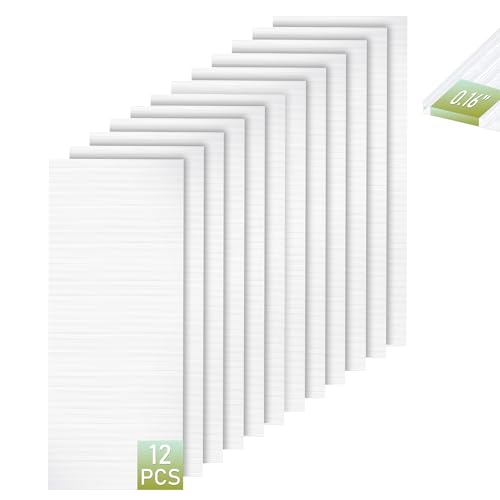
The Bezseller panels deliver a twin-wall design with 0.16 inch thickness and UV protection, optimized for outdoor projects like greenhouses and gazebos. They provide balanced light transmission to keep interiors bright while protecting plants from harmful rays. The panels are designed to withstand typical outdoor weather across seasons, helping regulate interior temperatures and reduce heating or cooling demands in varying climates.
Buying Guide: Key Considerations For Selecting Greenhouse Roofing
Material quality and design are the foundation, but several practical factors determine long-term performance for greenhouse roofing:
- Light Transmission and UV Blocking: Look for polycarbonate with high light transmission and UV protection. Balance is needed to ensure sufficient photosynthesis without overheating interior spaces.
- Thickness and Structure: Thicker twin-wall or multi-wall panels improve insulation and impact resistance but add weight. Choose thickness that aligns with climate, wind loads, and roof span.
- Insulation And Temperature Range: Panels with honeycomb or double-wall designs reduce heat loss in winter and heat gain in summer. Check the rated operating temperature range for your region.
- Durability And Weather Resistance: UV stability, impact resistance, and hail tolerance extend roof life. Consider seals or coatings that enhance waterproofing and longevity.
- Cutting and Fitting: Most panels can be cut to fit custom shapes. Professional tools and methods reduce the risk of cracking or injury during installation.
- Installation Compatibility: Ensure panel size, profile, and connectors align with existing frames or the planned greenhouse structure.
- Maintenance: Look for panels with easy cleaning and minimal yellowing over time. Protective films on delivery should be removed before use.
- Cost Per Square Foot: Compare panel efficiency, expected lifespan, and replacement costs when evaluating value.
Performance comparisons across the featured picks suggest a trade-off between light transmission and insulation. For hot climates, the higher UV-blocking and glare reduction features of certain brands can help maintain moderate interior temperatures. In colder regions, thicker panels with strong insulation (0.24 inch or more) may reduce heating requirements. Consider regional weather patterns, roof orientation, and plant needs when choosing a system.
All five options share core benefits: improved light distribution, durable construction, and flexibility for custom greenhouse designs. The right choice depends on climate, structure size, and the balance you want between light, warmth, and cost. Panels with honeycomb interiors generally offer better insulation, while clear single-layer options emphasize maximum light. This selection provides a spectrum from high-light to highly insulated roofing solutions, enabling a strategic, region-specific installation plan.