Answering questions about the best rooting hormone for cuttings is essential for beginners and experienced gardeners alike. This guide highlights five top Amazon picks, each chosen for different propagation needs—from easy houseplant cuttings to stubborn hardwoods. Whether you work with pothos, roses, or fruit trees, these products help roots form faster and with less shock. The buyer’s perspective below targets styles and uses—from quick-start powders to gel formulations—so you can pick the right option for your plants and method.
| Product | Best For | Strength/ Form |
|---|---|---|
| Bonide Bontone II Rooting Powder | Houseplants and transplants | Powder; standard rooting strength |
| Garden Safe TakeRoot Rooting Hormone | A variety of cuttings; home and greenhouse use | Powder; indole-3-butyric acid |
| Hormex Rooting Powder #16 | Difficult hardwood cuttings | Powder; 1.60% IBA |
| Clonex Rooting Gel | Soft tissue cuttings; quick initiation | Gel; calibrated IBA |
| Doff Hormone Rooting Powder | General cuttings; strong roots | Powder; growth hormones |
Bonide Bontone II Rooting Powder

Bonide Bontone II is a ready-to-use rooting powder designed to promote quick root development from cuttings. The product is versatile for ornamentals, vegetables, fruit trees, and berries. It works by coating the clipped end before planting in moist soil, helping the rooting process start sooner. Best for beginners and hobbyists who want a simple dip-and-plant method. A limitation is that the product is a powder; handling may be messier than gels for some users. Suitable for both hardwood and softwood cuttings.
Garden Safe TakeRoot Rooting Hormone
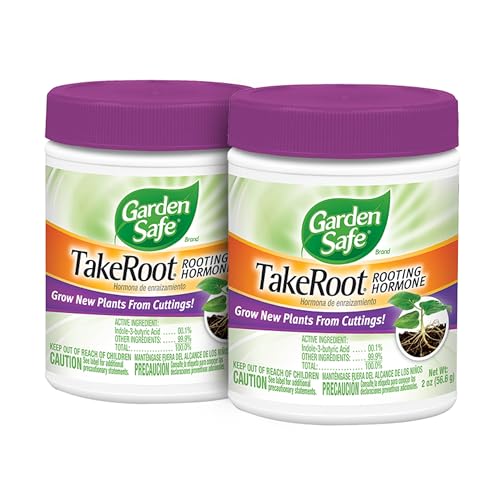
Garden Safe TakeRoot is a two-pack rooting hormone powder featuring Indole-3-butyric acid (IBA). It is designed to promote rooting for cuttings across a broad range of home, garden, and greenhouse varieties. Best for gardeners who want a straightforward powder dipping method and a cost-effective two-pack option. A potential limitation is that application requires moistened cut ends and tapping off excess powder before planting, which might slow down workflows in busy setups.
Hormex Rooting Powder #16

Hormex #16 is a high-strength rooting powder formulated with 1.60% IBA, aimed at difficult hardwood cuttings. It comes in four strengths to match softwood, semi-hardwood, and hardwood cuttings, expanding its use across ornamentals, fruits, vegetables, and trees. Best for experienced propagators dealing with stubborn species. A caution: the strongest option can increase tissue damage if used improperly; follow dipping and planting directions closely for best results.
Clonex Rooting Gel
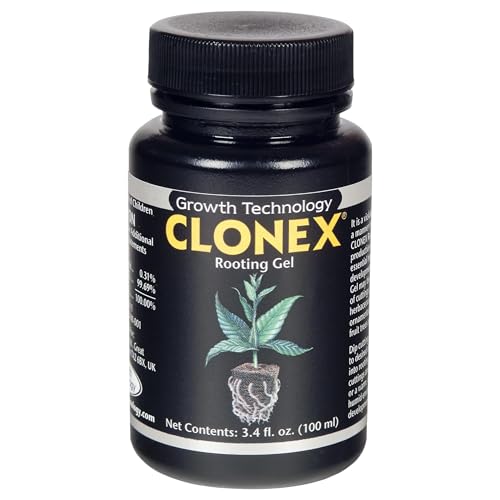
Clonex Rooting Gel is a high-performance, water-based gel containing IBA that supports root initiation and development. It is versatile for a wide range of plant cuttings, especially soft-tissue varieties, and is simple to apply by dipping cuttings into the gel. It’s a good choice when a gel format helps with precise application and reduced mess. Limitation: root development timing may vary by plant type, so results can differ among species.
Doff Hormone Rooting Powder
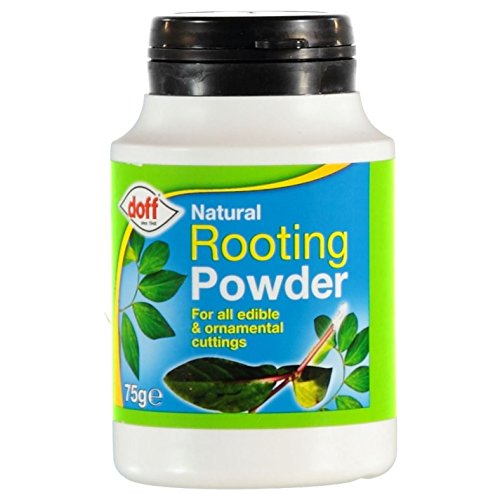
Doff Hormone Rooting Powder aims to encourage rooting across a broad range of cuttings, promoting strong, healthy roots. It uses a powder formulation with growth hormones to stimulate the rooting process. Best for gardeners who want a reliable, all-purpose rooting powder for a mix of ornamentals and edible plants. A limitation is that powder products can create more cleanup than gels in busy propagation workflows.
Buying Guide: Rooting Hormones For Cuttings
- Form matters: Powders are typically easy to apply with a quick dip, while gels offer less mess and may provide more consistent coverage on soft tissue cuttings. Consider your workflow and the plant type you propagate.
- Active ingredient strength: IBA levels vary by product. Higher strengths (like 1.6% IBA) suit hardwood cuttings and challenging species, while lower strengths are often enough for softwood or propagating common houseplants.
- Plant type compatibility: Some products are optimized for hardwoods, others for softwoods, and some for a wide range of varieties. Match the product to the plant group you propagate most often.
- Ease of use: For beginners, ready-to-use powders with clear dipping steps can be simplest. For those prioritizing speed and precision, gels or liquids may offer practical benefits.
- Storage and shelf life: Liquid formulations can have different shelf lives than powders. Check storage instructions to avoid compromised effectiveness over time.
- Safety and handling: Follow product directions to minimize waste and skin contact. Some powders can produce dust; gels and liquids may reduce this risk.
Frequently Asked Questions
- What is rooting hormone and why use it?
Rooting hormone contains plant growth regulators such as IBA that stimulate root initiation and development in cuttings, helping propagation succeed.
- Can I use regular fertilizer with rooting hormone?
Avoid mixing high-nutrient solutions with rooting powders or gels during dipping. Use standard watering after planting according to plant needs.
- Is powder or gel better for hardwood cuttings?
Powder works well for many cuttings, but gels can provide precise coating for soft tissue cuttings. For difficult hardwood cuttings, higher-strength powders may be preferred.
- How long should cuttings stay in the rooting environment?
Rooting times vary by plant type. Monitor for new root formation and adjust humidity and light as needed.
- Are natural rooting stimulators effective?
Natural formulations, like those with seaweed extract, can support root growth in many plants, though results may differ from synthetic IBA-based products.
- What should I do if roots fail to develop?
Check cut quality, ensure proper moisture, provide adequate light, and consider a higher-strength rooting hormone for challenging species.