If you’re seeking an effective, affordable way to safeguard vegetables, fruits, and flowers from common garden pests, row covers are a smart choice. These lightweight nets act as physical barriers while still letting sunlight, air, and water reach plants. The top five options below are selected for different needs—ranging from ultra-fine mesh for delicate crops to larger spans for trees and berries—so you can pick the best fit for your garden, raised bed, or orchard. This guide helps you compare suitability, durability, and practical limitations side by side.
Summary table of chosen products:
- Garden Tailor Garden Netting Pest Barrier — Best for: small to medium vegetable plots; strong UV resistance.
- Jevrench Durable Ultra Fine Garden Netting — Best for: long-term protection with high durability; versatile 4×25 ft option.
- VIOBEPASS Garden Netting Kit — Best for: complete kit with hoops and clips; easy setup for raised beds and greenhouses.
- Fippy Garden Netting Pest Barrier — Best for: lightweight, reusable year-round protection for a variety of crops.
- YNERHAI 10x50FT Garden Netting — Best for: larger farms or long-row protection for trees and berries.
Garden Tailor Garden Netting Pest Barrier
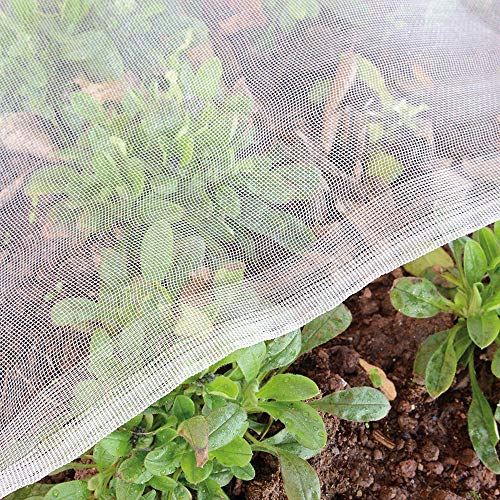
Best for: small to mid-size vegetable beds where a simple, effective pest barrier is needed. The 4’x10′ design is easy to drape over rows or raised beds, providing a broad shield against cicadas, carrot fly, and aphids. The netting uses 100% new HDPE, is UV-resistant, and features a tight selvedge to prevent unraveling. This makes it a solid option for gardeners seeking a straightforward, durable solution.
Why chosen: its combination of material quality, a practical size, and broad pest protection covers common garden needs without requiring complex assembly. The barrier is lightweight enough for quick setup and removal as crops grow or temperatures change.
Caution: ensure installation allows adequate airflow and prevent heat buildup on hot days; verify that the mesh size is appropriate for targeted pests to avoid small beneficial insects from being unintentionally excluded.
Jevrench Ultra Fine Garden Netting

Best for: gardeners wanting robust, reusable protection over multiple seasons. The 4 ft x 25 ft roll provides substantial coverage for rows, fruit trees, and larger plantings, with an ultra-fine mesh (0.8 mm x 1 mm) designed to block a broad range of pests while preserving airflow and light transmission.
Why chosen: it offers a strong balance of durability and flexibility. The material is described as twice as thick as ordinary netting, with good elasticity and toughness, making it suitable for frequent use in varied weather.
Caution: longer lengths require careful handling to avoid sagging; ensure hoops or supports are used for open-field applications to prevent wind damage.
VIOBEPASS Garden Netting Kit

Best for: gardeners seeking a complete protective system ready to install. This 10×30 ft kit includes 36 netting clips, 6 sets of hoops, ground stakes, and gloves. It’s well-suited for raised beds, greenhouses, or garden rows where sturdy frame support is desired.
Why chosen: the included hardware reduces setup time and helps create a stable barrier that resists wind and movement. The breathable, UV-resistant mesh maintains plant health while blocking insects and small animals.
Caution: larger installations may require more space and consistent maintenance of hoops and clips to ensure the cover remains taut and effective.
Fippy Garden Netting Pest Barrier
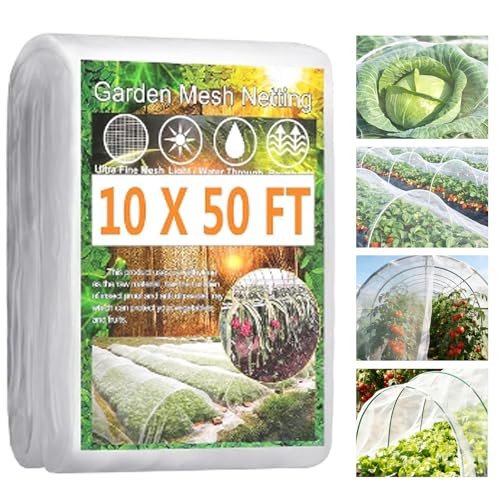
Best for: growers seeking lightweight, reusable protection across various crops. The 10×50 ft netting uses a 0.8 mm x 1 mm ultra-fine mesh to block rabbits, birds, and flying insects while preserving air, light, and water passage.
Why chosen: its lightweight design reduces strain on delicate plants and is described as tear-resistant and weatherproof for year-round use. The mesh balance supports healthy growth with minimal disruption to routine watering and care.
Caution: while protective, this netting may require periodic inspection to prevent gaps created by wind or animals pushing against the barrier.
YNERHAI 10x50FT Garden Netting

Best for: larger plantings needing extended coverage, such as fruit trees, blueberries, and expansive vegetable rows. The 10×50 ft size provides ample material to cover multiple plants or trees in a single setup.
Why chosen: the product emphasizes a lightweight yet durable 0.8mm x 1mm mesh with superior breathability, allowing sunlight and irrigation water to reach crops without frequent removal.
Caution: larger nets can be more challenging to store and may require careful anchoring to prevent wind-induced movement.
Buying Guide: Key Considerations For Row Covers
- Mesh size and pest type: Ultra-fine meshes block smaller insects but may also limit pollinators. If pollination is critical, plan for removal during flowering or use partial covers.
- Coverage area: Match the size to your beds or trees. Overly large nets can be bulky, while undersized covers leave exposed edges.
- Durability and material: Look for UV-stabilized HDPE or similar materials for long-term use. Check selvedge quality to prevent fraying.
- Ease of setup: Kits with hoops, stakes, and clips reduce installation time and ensure a taut barrier that won’t sag in wind.
- Breathability and moisture: Choose fabrics that balance protection with airflow to avoid humidity buildup and plant rot.
- Reuse and storage: Reusable nets save money over time. Consider how easy they are to clean, dry, and store.
- Plant compatibility: Some nets are gentler on tender seedlings; others are well-suited for mature fruit trees or gardens with high pest pressure.
Frequently Asked Questions
- What is row cover and how does it protect plants? Row covers are lightweight fabric or mesh barriers placed over crops to deter pests and reduce physical damage while allowing light, air, and water to pass through.
- Can row covers be left on plants permanently? Generally no. They are typically used during specific pest pressure periods or seasons and removed during flowering for pollinators, then reapplied as needed.
- Which crop types benefit most from row covers? Leafy greens, brassicas, strawberries, blueberries, herbs, and young vegetable transplants commonly benefit from row covers.
- Are there drawbacks to using row covers? Potential issues include restricted airflow in very humid conditions, reliance on installation quality, and the need for regular adjustments as plants grow.
- What maintenance is required for row covers? Regular inspection for rips or gaps, cleaning after use, proper drying before storage, and secure anchoring to withstand wind.
- How do I choose the right size and mesh? Consider pest pressure, crop type, duration of use, and whether you need additional framing like hoops or stakes for stability.