Choosing the right rubber liner for a pond depends on size, climate, and design goals. This guide highlights five top HDPE/EPDM liners that balance durability, UV resistance, and ease of installation. Best for koi ponds and water gardens, these options fit a range of pond shapes while resisting punctures and weather exposure. Use this overview to compare thickness, material, and cutability so you can select the liner that keeps your aquatic habitat clean and stable.
| Product | Size / Thickness | Material | Best For |
|---|---|---|---|
| ToLanbbt Pond Liner 7 x 10 Ft | 7 x 10 ft, 20 mil | HDPE | Smaller koi ponds and water features; easy cutting around irregular shapes |
| UWIOFF 10 x 13 FT Pond Liner | 10 x 13 ft, 20 mil | HDPE | Medium ponds; flexible enough for varied designs |
| Firestone 45mil EPDM Rubber Pond Liner | 15 ft x 20 ft; 45 mil | EPDM Rubber | Larger outdoor ponds; maximum puncture resistance and flexibility |
| VEVOR 8 x 10 ft Pond Liner | 8 x 10 ft, 45 mil | EPDM | Durable backyard ponds; weather-ready and easy to trim |
| Anjon Lifeguard 15 ft x 15 ft EPDM | 15 x 15 ft, 45 mil | EPDM | Large installations; reliable flexible performance in extreme temps |
ToLanbbt Pond Liner 7 x 10 Ft

This 7 by 10 foot HDPE liner provides a 20 mil thickness with UV resistance and good puncture resistance. It’s noted for being easy to cut to fit irregular pond shapes, making it a practical choice for decorative fountains or koi ponds with curved edges. The liner is designed to block soil contaminants from entering the water, contributing to a cleaner ecosystem for fish and aquatic plants. Best for smaller or irregularly shaped ponds where custom fitting is needed, and where long-term outdoor exposure is expected.
Who it’s best for: homeowners building compact koi ponds or water gardens where simple customization and UV stability matter. Caution: HDPE can be less forgiving on extremely sharp edges; ensure smooth edges to avoid puncture.
UWIOFF 10 x 13 FT Pond Liner

This liner measures 10 by 13 feet with 20 mil thickness. It’s described as ultra-durable yet lightweight, making installation straightforward and adaptable to various pond designs. Made from HDPE, it emphasizes UV and puncture resistance for multi-year outdoor use. Best for medium ponds where flexibility and cut-to-fit capability are valuable. Caution: ensure a precise size check if your pond deviates significantly from standard layouts to minimize seams.
Firestone 45mil EPDM Rubber Pond Liner
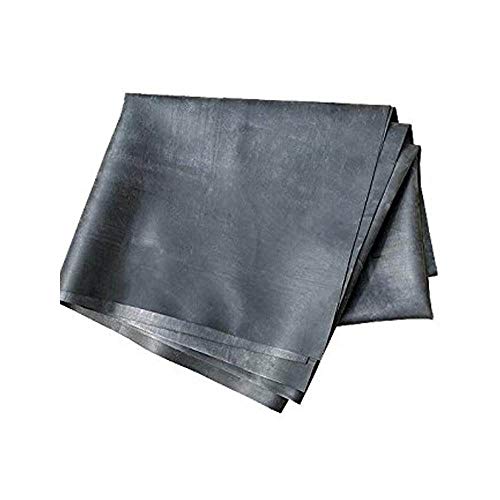
Firestone offers a 45 mil EPDM rubber liner, pre-cut and boxed for convenience. EPDM liners are known for flexibility and lasting performance in outdoor conditions, including temperature fluctuations. This option is suitable for larger, more complex water features where durability and fish safety are priorities. Best for expansive ponds or waterfalls where long-term flexibility is needed. Limitation: EPDM panels may require precise cutting and seam sealing to maximize longevity.
VEVOR 8 x 10 ft Pond Liner

This liner uses 45 mil EPDM for durability and wear resistance, with the ability to trim to fit final pond dimensions. It’s designed to withstand sun exposure, rain, and temperature swings while maintaining flexibility. Best for outdoor ponds that require strong leak resistance and easy customization. Caution: EPDM liners can be heavier and require careful handling during installation to avoid creasing.
Anjon Lifeguard 15 ft x 15 ft EPDM

The Lifeguard EPDM liner from Anjon measures 15 by 15 feet at 45 mil thickness. It emphasizes flexibility across temperature extremes and compatibility with penetrations for pipes and hoses. Best for large, feature-rich ponds or integrated water systems where long-term resilience matters. Limitation: EPDM sheets may require careful seam sealing and compatible backing to ensure optimal leak protection in larger installations.
Buying Guide: Key Considerations For Selecting A Pond Liner
- Material choice: HDPE vs EPDM. HDPE liners are typically lighter and easier to cut for irregular shapes, with strong puncture resistance. EPDM is more flexible and weather-tolerant, ideal for larger, complex ponds and long-term exposure.
- Thickness: Higher mils offer better puncture resistance and durability. For small decorative ponds, 20 mil can suffice; for large outdoor ponds, 45 mil EPDM provides extended protection.
- Fit and installation: Consider whether you need a fully custom shape or if a standard size can be trimmed to fit. Ensure corners and edges are protected from sharp rocks or debris.
- UV and weather resistance: Outdoor ponds require liners that resist sun degradation and temperature shifts to reduce leaks over time.
- Fish and plant safety: Choose liners that emit minimal chemicals and do not contain plasticizers that could affect aquatic life.
- Seaming and sealing: Some EPDM liners require proper seam sealing for maximum longevity; plan for sealant and overlapping needs during installation.
FAQ
- What is the difference between HDPE and EPDM liners?
– HDPE is typically lighter and easier to cut, with strong puncture resistance, while EPDM offers greater flexibility and long-term weather tolerance. - Which liner thickness is best for a koi pond?
– A thicker liner (20 mil or more) provides better protection against sharp substrates, while 45 mil EPDM offers superior durability for larger ponds. - Can liners be cut to fit irregular pond shapes?
– Yes. Many liners, including 20 mil HDPE, are designed to be cut to fit irregular surfaces and curves. - Do liners require special sealant or seam work?
– EPDM often requires proper seam sealing; HDPE relies more on accurate cutting and secure overlaps. - Are these liners safe for fish and plants?
– The listed liners emphasize safe materials, UV resistance, and absence of harmful plasticizers when noted in features. - How long can a pond liner last outdoors?
– Lifespan depends on material, thickness, climate, and installation quality; EPDM liners with 45 mil thickness generally offer extended longevity in variable weather.