If you’re seeking a reliable sand filter for well water, this guide helps you compare effective spin-down sediment filters designed for well or city water. These filters protect pipes and appliances by capturing rust, sand, and debris before they reach your fixtures. This article highlights five strong choices, who they’re best for, and practical buying considerations for homeowners with well water. The top picks emphasize easy maintenance, high flow, and durable construction for hard, sandy water.
Overview Of The Best Five Well Water Spin-Down Filters
The following table summarizes why each filter is a strong option for well water, including flow rate, filtration options, and maintenance notes. This quick reference helps you compare at a glance before diving into detailed product sections.
| Product | |||
|---|---|---|---|
| Waterdrop Spin Down Sediment Filter WD-RPFK | 50 μm filter; 316L alloy; BPA-free housing | Moderate flow; efficient 50 μm trapping | |
| Waterdrop Spin Down Sediment Filter (100 μm + 500 μm) | 100 μm and 500 μm options | High flow; versatile filtration | |
| Waterdrop Spin Down Sediment Filter (50 μm + 200 μm) | 50 μm and 200 μm options | High flow; broad sediment capture | |
| Rusco 1-1/2″ Spin Down Separator | Spin-down separator; simple design | Strong for larger flows up to 50 GPM | |
| iSpring WSP50ARJ-BP (Prefilter) | 50 μm; auto-flush; four modes | High flow; efficient maintenance |
Waterdrop Spin Down Sediment Filter WD-RPFK

This filter targets well water sediment by trapping rust and small debris before it reaches household plumbing. It uses a 50-micron 316L molybdenum alloy mesh and a BPA-free housing. The copper fittings are coated to resist corrosion, and the unit is NSF/ANSI 372 certified for safer materials. Best for households seeking robust sediment control with safe materials and straightforward service.
Who it’s best for: Homes with well water that presents steady sediment and a need for low-maintenance, safe filtration. It’s also suitable where a compact, durable unit is preferred for protecting downstream appliances.
Limitations: 50 μm filtration may require more frequent maintenance in highly sediment-rich wells compared with finer screens or larger-household units.
Waterdrop Spin Down Sediment Filter (100 μm + 500 μm)

This system provides two mesh options—100 μm and 500 μm—allowing you tailor filtration to water quality and occupancy. It’s designed for whole-house protection, guarding pipes and appliances from rust, sand, and other sediments. A 20 GPM flow rate supports households with multiple fixtures in use, while maintaining steady pressure.
Who it’s best for: Homes dealing with variable sediment levels where flexibility in mesh size reduces the need for multiple filter replacements.
Limitations: The dual-mesh setup requires understanding when to switch meshes for optimal performance, which may add a small learning curve for new users.
Waterdrop Spin Down Sediment Filter (50 μm + 200 μm)

This model combines 50 μm and 200 μm mesh options to address changing water quality. It features a 20 GPM flow rate and a patented 360° rotating spray design for even filtration across the unit’s surface area. Best for homes needing strong sediment capture without sacrificing water pressure.
Who it’s best for: Buyers who want a balance between fine filtration and consistent flow, especially in areas with mixed sediment sizes.
Limitations: As with other spin-down units, frequent sediment flushing may be needed in dirt-heavy wells to prevent pressure drops during peak usage.
Rusco 1-1/2″ Spin Down Separator
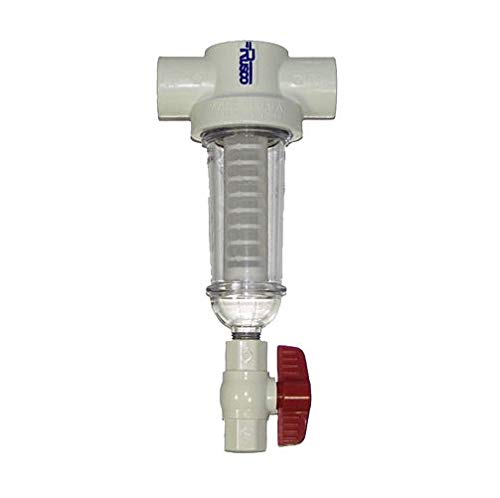
This separator is designed for front-end filtration in larger systems. The setup is straightforward, focusing on robust physical separation of sediment before entering the main filtration sequence. It’s a practical choice for households upgrading an existing filtration stage or adding a first-line defense for well water.
Who it’s best for: Larger homes or systems requiring a resilient separator that’s simple to install and service. It’s a solid pick when a straightforward, heavy-duty, front-end sediment filter is desired.
Limitations: Installation may require compatible fittings for 1-1/2″ lines, and performance depends on proper sizing for the overall plumbing network.
iSpring WSP50ARJ-BP Whole House Filter (Prefilter)

The iSpring WSP50ARJ-BP offers an integrated auto-flushing module and a bypass valve design with multiple operation modes. The jumbo-sized 1-gallon capacity supports longer intervals between flushes, making it suitable for challenging well-water conditions. It emphasizes ease of maintenance and flexible operation in a single, compact unit.
Who it’s best for: Busy households seeking automated maintenance and a high-flow prefilter to protect downstream equipment from sediment. Great for wells with variable sediment loads.
Limitations: The full benefits depend on correct programming of auto-flush schedules and ensuring compatibility with downstream filtration stages.
Buying Guide: Key Considerations For Selecting A Well Water Spin-Down Filter
- Water quality and sediment size: Choose mesh sizes that match your well’s sediment profile. Finer sediments require smaller mesh sizes, while larger debris can be handled by coarser screens.
- Flow rate needs: Consider peak usage in your home. Higher GPM ratings reduce the chance of pressure drops when multiple fixtures run simultaneously.
- Maintenance and ease of use: Look for units with easy access for flushing, straightforward mesh replacement, and clear indicators of when to service.
- Material safety and durability: NSF certifications and BPA-free housings add safety. Corrosion-resistant fittings help extend life in challenging water chemistry.
- Installation compatibility: Confirm inlet/outlet sizes and connection types (MNPT, FNPT, or slip fittings) align with your existing plumbing.
- Automatic flushing features: Auto or semi-auto flushing can save time but may require power or battery backups in off-grid setups.
- System integration: Determine whether you need a standalone unit or an integrated prefilter with bypass options for easy maintenance.
Frequently Asked Questions
- What is a spin-down sediment filter best for?
Spin-down filters capture debris and sand before entering your plumbing, protecting appliances and fixtures from clogging and wear.
- Which mesh size should I choose for well water with sand?
Start with 50–100 μm for moderate sediment and adjust to 200–500 μm if you have larger particles; coatings and maintenance schedules vary by model.
- Do these filters require electricity?
Most spin-down filters rely on gravity and water pressure; some models offer auto-flushing that may use a small power source or battery for operation.
- How often should I flush or replace the filter mesh?
Flush frequency depends on water quality and usage. Follow manufacturer recommendations and inspect for reduced flow or visible debris.
- Can a spin-down filter handle both city and well water?
Yes. Spin-down filters are designed to trap sediment from both well and municipal water supplies, protecting downstream equipment.
- Is NSF certification important for a sediment filter?
NSF certification confirms materials and safety standards, which is beneficial for households with babies or sensitive users.