Cutting flower stems requires precision, control, and comfortable handling. This guide highlights five top Amazon options that suit different gardeners—from casual herb cutters to serious floral arrangers. Best for delicate live stems, the Fiskars bypass pruner is ideal for fine pruning, while multi-pack sets suit broader gardening needs. If you frequently trim floral arrangements, the lightweight, ambidextrous designs offer easy handling for both right- and left-handed users. The following sections compare five products to help you choose based on blade type, ease of use, and durability.
Summary at a glance:
| Product | Best For | Key Benefit | Limitations |
|---|---|---|---|
| Fiskars Bypass Pruning Shears | Delicate stems and small branches | Sap groove and non-slip grip | 5/8″ cut capacity |
| 4PACK Pruning Shears (FOVCENT) | Versatile garden tasks | Rustproof stainless steel, safe lock | Bulk pack; individual use varies |
| 3Pcs Garden Flower Scissor (OJYUDD) | Precise floral pruning | 65mm blades, comfortable rubber handles | 1/3″ pruning diameter |
| Leize Flower Scissors | Flower arrangements, light pruning | High carbon steel, ergonomic grip | 8mm diameter limit |
| Fiskars 6″ Pruning Scissors | Herbs, buds, small plants | Micro-tip blades for precision | Standard pruning tasks only |
Fiskars Bypass Pruning Shears
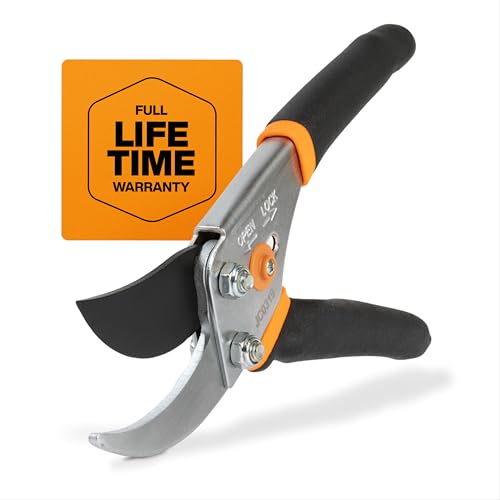
- Best for live growth and delicate stems up to 5/8″ in diameter.
- Blades are precision-ground steel with a low-friction coating to reduce sap buildup.
- Sap groove helps prevent sticking; full steel construction for durability.
- Non-slip grip enhances comfort during longer pruning sessions.
Who this is for: Home gardeners who prune fresh flowers and green stems regularly. Why: It delivers clean, gentle cuts that minimize plant damage and sap gumming. Caution: The 5/8″ capacity may limit thicker stems found in some ornamental varieties.
4Pack Pruning Shears (FOVCENT)

- Best for broad pruning tasks across flowers, vegetables, and small trees.
- Stainless steel blades provide rust resistance and long-term sharpness.
- Lock buckle design improves safety when not in use.
Who this is for: Gardeners needing a versatile toolkit for frequent pruning. Why: The pack offers multiple tools to handle various pruning jobs. Caution: Individual scissors may vary in blade alignment; check alignment before use.
3Pcs Garden Flower Scissor (OJYUDD)

- Best for precise trimming in floral work and small plant care.
- 65mm stainless steel blades with soft rubber handles for comfort.
- 1/3″ pruning diameter ideal for many flowering plants.
Who this is for: Florists or hobbyists focused on delicate flower pruning and arrangement work. Why: The blades are sharp, with a comfortable grip for extended use. Caution: The smaller pruning diameter may not handle tougher woody stems.
Leize Flower Scissors
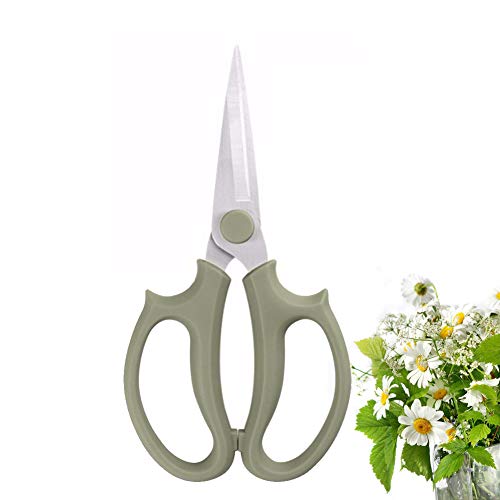
- Best for floral arrangements and light pruning tasks.
- High carbon steel blade for sharp, durable cuts; ergonomic, non-slip handle.
- Suitable for both left- and right-handed users.
Who this is for: Garden enthusiasts who value ambidextrous use and a robust single blade. Why: The alloy steel delivers lasting sharpness, aiding in clean cuts for flowers. Caution: Capacity is limited by the 8mm pruning diameter, so thicker stems may require larger tools.
Fiskars 6″ Pruning Scissors

- Best for herbs, buds, and small plants requiring precision cuts.
- Micro-tip blades reach to the tip for clean, healthy pruning.
- Stainless steel blades maintain sharpness with long-term use.
Who this is for: Herb gardeners and florists who need precise tip cuts for delicate plants. Why: The micro-tip design enables accurate cuts close to stems. Caution: Not ideal for thick stems beyond small plant pruning tasks.
Buying Guide: Scissors For Cutting Flowers
- Blade type matters: Bypass blades are gentle on living plant tissue, while anvil designs work well on thicker stems. Choose based on your typical pruning tasks.
- Material and durability: Stainless steel resists rust; high-carbon or SK5 steel blades stay sharper longer. Consider coatings that reduce friction and sap buildup.
- Handle comfort and grip: Look for ergonomics, non-slip grips, and ambidextrous designs if you switch hands while trimming.
- Pruning diameter: Check the maximum cut capacity. If you prune many flowering stems, a larger capacity helps, but for delicate flowers, smaller is often better.
- Safety features: Lock mechanisms prevent accidents when tools aren’t in use. This is especially helpful in households with kids or storage concerns.
- Maintenance: Clean blades after use, dry thoroughly, and occasionally oil the pivot to maintain smooth action and prevent rust.
FAQ
What is the best type of scissors for cutting fresh flowers?
Bypass pruning shears with a sap groove for clean cuts on living stems and to minimize damage.
Should I buy a single pruner or a multi-pack?
Multi-packs work well for varied tasks and shared tool kits, whereas a single ergonomic pruner suits steady, focused pruning.
Is stainless steel better than carbon steel for garden scissors?
Stainless steel resists rust and is low-maintenance; carbon steel can stay sharper longer but may require more care to prevent rust.
How do I prevent sap buildup on blades?
Look for blades with a low-friction coating and sap grooves; wipe blades after use and store dry.
Can left-handed gardeners use standard pruning shears?
Ambidextrous or specifically left-handed designs improve comfort and control for non-right-handed users.
What should I do if a blade becomes dull quickly?
Sharpen with a suitable file or sharpening stone, or opt for models marketed as maintaining sharpness through heavy use.