Finding the right screening panels for your garden reduces sightline clutter while adding texture and shade. This guide highlights five top options, explains who each is best for, and helps you compare features like sun blocking, airflow, and install ease. Ideal buyers include homeowners seeking backyard privacy, renters needing balcony privacy, or designers aiming to add natural or modern accents to outdoor spaces.
| Product | Best For | Key Benefit |
|---|---|---|
| RAINFLOW Fence Privacy Screen Outdoor | Patio and balcony spaces needing 75% shade | Durable HDPE mesh with wind resistance |
| Bamboo Fencing – Handwoven (2ft x 20ft) | Natural, rustic privacy on decks or gardens | Natural reed texture with adjustable shading |
| DOPGIB Artificial Ivy Privacy Fence Roll | Evergreen green backdrop for walls or fences | Interlocking panels for flexible layout |
| Winpull Privacy Fence Screen (6′ x 50′) | Traditional chain-link or wood fences with high privacy | Heavy-duty 170GSM HDPE mesh |
| Enclo Fairmont Cedar Wood Privacy Screen (1 Panel) | Warm, natural wood look with easy no-dig installation | FSC-certified wood with simple setup |
RAINFLOW Fence Privacy Screen Outdoor

Best for balconies and backyard privacy with ample airflow. Made from durable HDPE mesh with reinforced aluminum grommets, this 3 ft by 10 ft panel blocks up to 75% of sunlight while allowing breeze. The wind-resistant construction helps maintain a privacy wall on windy days, making it suitable for apartment patios and fence enclosures. Consider this option if you want a low-maintenance, breathable privacy solution that won’t trap heat. Caution: heavier winds may require multiple panels for full coverage.
Bamboo Fencing–Handwoven (2ft x 20ft)

Best for a natural, rustic aesthetic with moderate shading. This handwoven bamboo screen uses natural reeds and features about 75% shading. It is adjustable by rolling up or down to control light and airflow. Ideal for enhancing garden borders or balcony edges where a warm organic look is desired. Limitation: natural materials may require occasional maintenance to prevent weathering and ensure lasting shape.
DOPGIB Artificial Ivy Privacy Fence Roll

Best for evergreen greenery and flexible layout. This 128″ by 72″ ivy panel covers 64 square feet and can be cut into shapes; interlocking connectors allow quick assembly. It stays attractive without fading under UV exposure and enables steady airflow. Choose this if you want a maintenance-free green backdrop that remains visually appealing throughout seasonal changes. Limitation: not a true living plant, so it won’t provide live plant aroma or growth benefits.
Winpull Privacy Fence Screen (6′ x 50′)

Best for larger fence setups needing strong privacy with breathability. The 6′ x 50′ panel uses 170GSM HDPE mesh to provide up to 95% privacy while allowing airflow. It’s designed for chain-link and wood fences and includes reinforced edges with grommets. Use this when you want a high-coverage solution that still feels open and ventilated. Caution: ensure correct measurement alignment before installation to avoid overhangs or gaps.
Enclo Fairmont Cedar Wood Privacy Screen
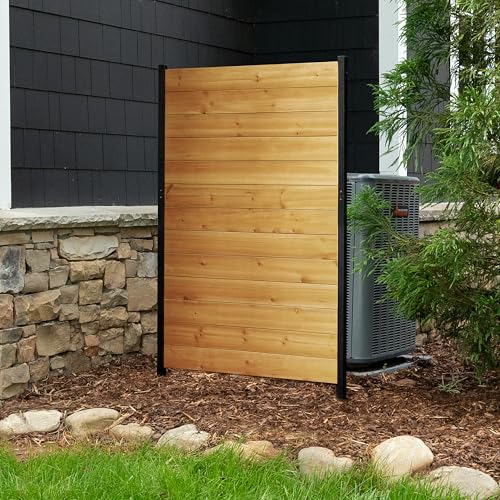
Best for a warm, natural wood look with a no-dig installation. This 1-panel cedar privacy screen uses FSC-certified wood and assembles in about an hour using ground stakes. It provides a sturdy, attractive barrier ideal for hiding outdoor clutter or air conditioners while blending with natural landscapes. Choose this if you prefer a traditional wooden aesthetic and quick setup. Limitation: wood may require periodic sealing or treatment to maintain color and longevity in harsh weather.
TALLYVER Metal Privacy Screen
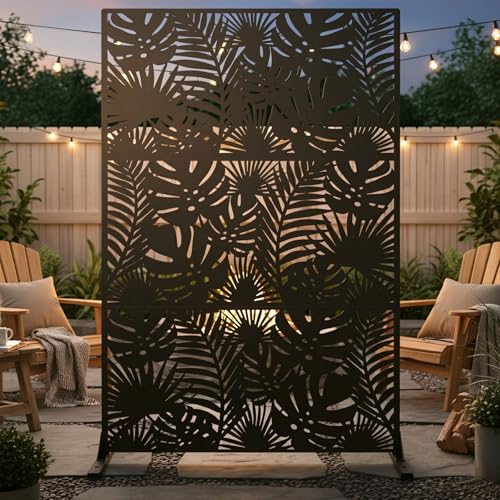
Best for a modern, durable divider with a tropical laser-cut leaf design. This 72×44-inch steel panel offers a decorative privacy screen that stands up to the elements, with a rust-resistant powder-coated finish. It serves as a striking statement piece for patios or decks while providing a practical privacy barrier. Choose this if you want a bold, lasting metal option that doubles as outdoor art. Caution: heavier than typical mesh screens, so plan for stable placement and weight considerations.
Buying Guide: How To Choose The Right Screening Panel
- Privacy Level: Consider how much visibility you want to block. High-coverage options include dense HDPE mesh and thick panels; lighter screens allow more airflow.
- Material And Maintenance: Natural materials like bamboo require more upkeep, while synthetic mesh is typically low maintenance and highly durable.
- Installation And Fit: No-dig or easy-stake options suit renters or temporary setups. Measure fence height and length precisely to avoid gaps.
- Climate And Exposure: UV resistance and weather tolerance matter for sun-heavy or coastal environments. Wood may need sealing; metal requires rust protection.
- Aesthetics: Choose a look that complements your space—natural bamboo for rustic vibes, ivy for evergreen greenery, or metal for modern contrast.
Frequently Asked Questions
- What is the best material for garden privacy panels?
- Are screening panels easy to install on any fence?
- Can screening panels block all visibility?
- Do natural materials weather well outdoors?
- How do I choose the right height and size?
- Do these panels affect airflow?
The best material depends on your priorities. For low maintenance and airflow, HDPE mesh screens are ideal. For a natural look, bamboo or reed panels work well. For a decorative focal point, metal or wood panels are strong options.
Many panels are designed for easy installation with grommets, stakes, or interlocking connectors. Always verify fence compatibility and required mounting hardware in product details.
Most screens reduce visibility rather than completely block it. High-coverage options paired with multiple panels provide better privacy.
Natural materials like bamboo require periodic maintenance and protection from moisture to extend longevity, while synthetic options resist weather better with less upkeep.
Measure your fence height, desired privacy depth, and the area to cover. Consider whether you need freestanding panels or mounting on an existing fence.
Most privacy screens are designed to balance privacy with airflow. Dense screens may reduce airflow more than mesh designs, so consider your climate needs.