Discover the best scythe-style weed cutters to tackle tall grass, dense weeds, and overgrowth with less effort. This guide focuses on long-handled and manual weed whips that suit different yards, fields, and garden sizes. The top picks below are best for busy homeowners, small farms, and outdoor enthusiasts who want durable, adjustable tools that reduce bending and fatigue. We include a quick comparison table to help you choose at a glance.
| Product | Best For | Key Benefit |
|---|---|---|
| YEELOR Weeding Sickle | Lawn and yard maintenance | 2-in-1 blade design for soft and hard weeds |
| Walensee Weed Grass Cutter (30″) | Wide-area weeding | Efficient double-edged serrated blade |
| Walensee Grass Whip (22″) | Mowing in tight spaces | Long handle with soft rubber grip |
| ROLKAR Scythe Tool | Heavy brush and dense growth | Adjustable stainless handle, durable blade |
| EcoDigiLife Long Handle Sickle | Versatile yard work | 3-section adjustable length, multi-purpose |
YEELOR Weeding Sickle With Adjustable Handle
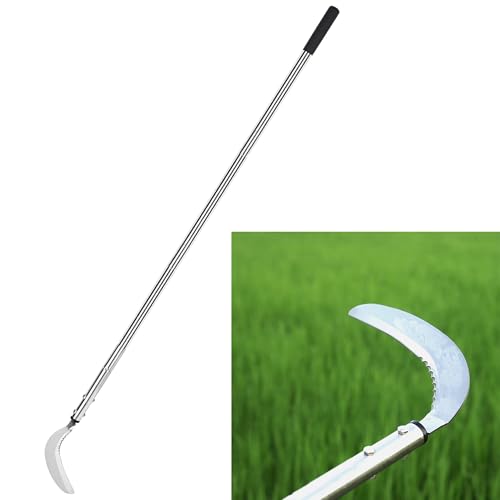
Best for: Busy backyard maintenance with variable weed types. This tool combines a high-strength stainless steel handle and dual-edge blades to tackle both soft and tough weeds without switching tools. The 51.7-inch length reduces bending, while 37.3- and 21.5-inch options offer flexibility for medium gardens and narrow planting beds.
Why selected: The 2-in-1 blade design—straight edge for soft weeds, wavy edge for hard weeds, and a sharp tip for deep-rooted removals—delivers versatility in a single tool. It’s lightweight at about 1.6 pounds and engineered for durability to withstand regular use.
Caution: The two-edge configuration requires careful handling to avoid accidental cuts during weeding in tight spots.
Walensee Weed Grass Cutter With Serrated Blade (30″ Handle)

Best for: Clearing wide areas like ditches and fields where tall grass dominates. Its 14-inch double-edged serrated blade slices through tough weeds with minimal effort and a stainless steel blade resists rust in varied weather.
Why selected: The ergonomic 30-inch handle with a soft grip reduces bending and fatigue while maximizing leverage. The blade’s serrations improve cutting efficiency when moving forward or backward.
Caution: Heavier weeds or very thick stems may still require multiple passes for full clearance.
Walensee Grass Whip With Double-Edged Serrated Blade (22″ Handle)
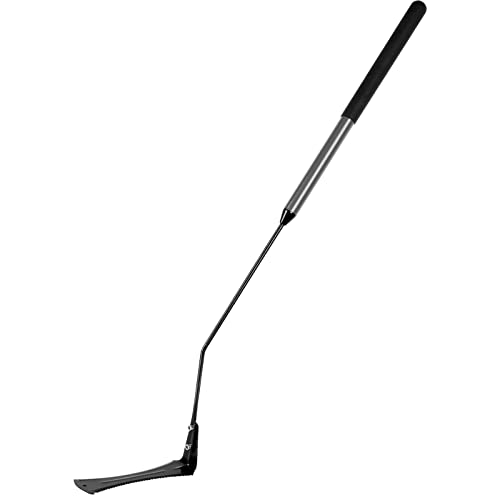
Best for: Regular maintenance in yards, fields, and ditches where you want to avoid bending. This model’s double-edged serrated blade and 22-inch handle balance reach and control.
Why selected: The T-style soft rubber grip and durable steel construction provide a comfortable, long-lasting option for frequent weeding. The higher blade efficiency helps trim tall growth quickly.
Caution: Shorter handle may be less suitable for users needing extra reach; pairing with proper gloves improves grip and control.
ROLKAR Scythe Tool for Grass Cutting

Best for: Heavy-duty weed clearing in yards, fields, and along ditches where dense growth requires a robust blade. The adjustable stainless handle enables precise fit and momentum for tough jobs.
Why selected: The thick, sharp blade and durable handle design resist bending under pressure. Its multi-scenario capability makes it a strong all-in-one option for both gardening and light farming tasks.
Caution: Heavy-duty performance can increase user fatigue if not managed with proper stance and technique; take regular breaks during large projects.
EcoDigiLife Solid Wood Long Handle Sickle

Best for: Versatile yard work across varying terrains, including field edges and ditch banks. The 3-section adjustable length supports different user heights and tasks.
Why selected: The 3-section adjustable handle increases reach while maintaining balance. Multi-purpose use means this tool can function as a scythe, sickle, or machete depending on the task.
Caution: Wood handles require drying and maintenance to prevent cracking; check for splits after heavy use.
20″ Scythe Tool With Curved Pole (VEKSICY)

Best for: Cutting through moderate brush and vines with a focus on back-friendly use. The curved pole and adjustable grip help reduce strain during long sessions.
Why selected: The 20-inch professional blade and pipe design offer strong leverage with a curved arc for easier handling. Rubber sleeve adjustments accommodate different heights and working environments.
Caution: Shorter blade length may limit reach on tall weeds; best used when you can approach from a closer clearance path.
VEKSICY 12.6” Scythe Tool

Best for: Precision weeding in tighter spots or younger gardens where a shorter blade reduces risk of collateral damage.
Why selected: The curved stainless steel pole and adjustable dual-hand grip provide ergonomic control while preserving cutting power. The design supports comfortable operation in variable terrain.
Caution: Short blade length means this model suits smaller-scale tasks; not ideal for very tall or thick growth.
ARPEAK Grass Whip With Serrated Double Blade

Best for: Overgrown lawns and fields where a combination blade helps trim and remove stubborn surface weeds quickly. The serrated double blade supports efficient cutting with enhanced grip on tough stems.
Why selected: High-efficiency cutting performance paired with a thick, durable handle supports extended use. The blade’s protective coating helps resist rust and wear in outdoor conditions.
Caution: The safety coating is thicker to prevent scratches during assembly; sharpening may be needed for exceptionally tough growth.
Buying Guide: What To Consider Before Buying a Weeding Sickle
- Blade design: Do you need a single-edge, double-edged, serrated, or wavy edge? 2-in-1 blades offer versatility for mixed weed types.
- Handle length and adjustability: Longer handles reduce bending but may be harder to maneuver in tight spaces. Look for adjustable lengths to fit your height and tasks.
- Weight and balance: Lightweight options reduce fatigue, but sturdier blades handle dense weeds better. Check for a well-balanced tool with a comfortable grip.
- Material and durability: Stainless steel blades resist rust; high-carbon steel blades stay sharp longer. Durable handles minimize bending or cracking under pressure.
- Usage environment: Consider weather conditions, terrain, and the type of weeds (soft grasses vs. woody brush) when selecting a blade and length.
- Maintenance: Tools with rust-resistant blades and protective coatings require less upkeep. Consider whether you prefer wood or metal handles and their care needs.
Frequently Asked Questions
- What is the best scythe tool for thick, woody weeds? Answer: Tools with thick, high-strength blades and a long, durable handle, such as models with adjustable length and rust-resistant steel, are typically best for woody growth.
- Are serrated blades better than straight blades for weeds? Answer: Serrated blades cut through tougher stems more effectively, while straight edges work well on soft, thin weeds.
- Should I choose a long or short handle? Answer: Long handles reduce bending and back strain for large areas; short handles are better for tight spaces and precise work.
- Is a 2-in-1 blade worth it? Answer: Yes, if you regularly deal with a mix of soft and hard weeds, a 2-in-1 design can save time by reducing tool changes.
- How do I maintain a steel weed blade? Answer: Wipe dry after use, store in a dry place, and apply light oil to prevent rust; sharpen as needed with a whetstone.
- Can these tools replace powered weed cutters? Answer: For very large or hard-to-reach areas, powered tools may be faster, but manual scythes provide better control and are quieter.