Seed bombs designed for kids offer a simple, mess-free way to get little gardeners growing. This guide highlights five kid-friendly seed bomb sets that are easy to use, safe for children, and friendly to pollinators. The listed products are best for beginners, classroom activities, birthday gifts, and family garden projects. Each section explains who the product is best for and why it stands out, along with practical cautions to help you decide which kit fits your needs.
| Product | Who It’s Best For |
|---|---|
| Wivolibe 6Pack Colorful Wildflower Seed Ball | Families seeking a simple, no-duss planting experience for beginners and kids |
| Modern Sprout Seed Ball Poop (Pack of 3) | Playful learning moments for kids and classrooms; easy, joke-themed gifting |
| BUZZY 20 Colorful Wildflower Seed Balls | Outdoor fun for older kids and families wanting a fuller bloom) |
| Plantutie Wildflower Seed Bomb Gift Box | Gift-givers and classroom projects; inclusive for pollinator gardens |
| SES Creative Butterfly Flower Bombs | Hands-on craft activity with a butterfly-attracting seed mix |
Wivolibe 6Pack Colorful Wildflower Seed Ball
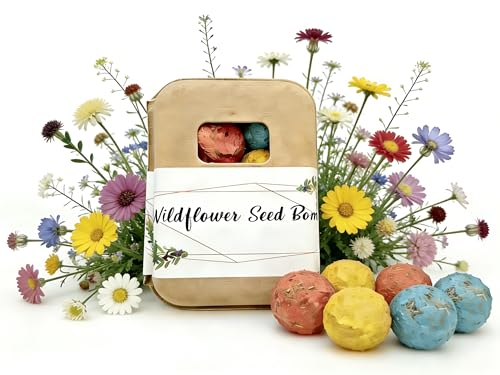
The Wivolibe kit offers effortless, no-mess planting. Each seed ball contains a blend of organic clay, compost, and non-GMO wildflower seeds. It’s designed for quick results: toss, water, and watch blooms. This makes it ideal for kids who want visible results without digging or tools. The mix supports pollinators like bees and butterflies, which is great for teaching ecology in a practical way. Best for families seeking simple, outdoor planting with immediate color in sunlit areas.
Who it’s best for: Parents and teachers facilitating early gardening experiences for beginners. Why selected: straightforward toss-and-grow method, eco-friendly ingredients, and pollinator benefits. Caution: avoid placing seed bombs in very densely shaded areas where germination may be limited.
Modern Sprout Seed Ball Poop (Pack of 3)

These playful seed bombs turn planting into a lighthearted activity. Hand-rolled with humor, they’re appealing for kids and classrooms alike. No tools are needed—bury half the ball, water regularly, and allow the garden to grow. Each ball can produce 4–6 full plants, which helps demonstrate how a small seed kit contributes to a bigger bloom. Best for: lighthearted gifting, beginner gardeners, and limited-space settings such as balconies. Caution: the playful design may require extra explanation for very young children to ensure soil coverage is correct.
BUZZY Seeds 20 Colorful Wildflower Seed Balls

BUZZY seed balls emphasize abundance—each ball contains 50+ seeds. The concept is simple: scatter the balls in outdoor spaces and watch a vibrant bloom emerge. They are designed for easy, sustainable gardening suitable for all ages. Best for families who want a quick, visually rewarding project and a larger bloom payoff. Caution: with very small children, supervision helps ensure proper scattering and minimal soil displacement.
Plantutie Wildflower Seed Bomb Gift Box

Plantutie markets a colorful gift-box approach, ideal for gifting to gardeners or nature lovers. The seed mix includes a broad selection of pollinator-friendly wildflowers such as Catchfly, Snapdragon, Red Prairie Coneflower, and more. The kit is suited for family activities, classroom projects, and gifting occasions. Best for: gift-giving and mom, teacher, or housewarming options. Caution: exact germination success depends on planting conditions and soil preparation.
SES Creative Explore Butterfly Flower Bombs

SES Creative’s kit focuses on crafting and growing, turning kids into mini botanists. The kit provides materials to make up to 10 flower bombs using natural clay, coconut soil, and a butterfly-attracting seed mix with 20 varieties. It’s an engaging, hands-on activity that combines crafts with gardening. Best for: classroom settings, rainy-day projects, and children who enjoy DIY activities. Limitation: outcomes depend on proper mixing and planting conditions, which may require more supervision than some other kits.
Buying Guide: Key Factors For Seed Bomb Kits
- Ease of use: Look for kits that require minimal tools and steps. Seed bombs that only require tossing and watering are ideal for younger kids.
- Seed mix and pollinator support: Choose seed blends that attract bees and butterflies, supporting local ecosystems while teaching kids about pollination.
- Materials and safety: Prefer non-GMO seeds and non-toxic clay or biodegradable components. Check for any small parts that could present choking hazards for very young children.
- Space and growing conditions: Consider the space you have available. Some kits bloom quickly in containers or on balconies, while others thrive in a garden bed.
- Aesthetic appeal: Colorful blooms and playful packaging can boost excitement and ongoing interest in gardening projects.
- Gift potential: If you’re buying as a gift, look for kits marketed as gifts or with additional packaging to enhance the presentable experience.
Practical Tips For Using Seed Bomb Kits With Kids
- Supervise initial planting to teach proper burying depth and watering frequency.
- Set a simple calendar (e.g., water twice a week) to establish routine gardening habits.
- Designate a small observation area where kids can track growth with drawings or photo journals.
- Discuss pollinators and their role in gardens to reinforce science concepts with real-world examples.
Frequently Asked Questions
- Are seed bombs safe for children? Most kits use non-toxic materials and non-GMO seeds. Always supervise children and follow packaging instructions.
- How long does it take for seeds to sprout? Sprouting times vary by blend and conditions, but many wildflower mixes begin to appear within a few weeks with adequate sun and moisture.
- Do seed bombs require fertilizer? Generally not; seed bombs include essential nutrients, but light, occasional watering supports growth without added chemicals.
- Can seed bombs be used indoors? Some kits are suitable for containers or patios; check the instructions for indoor compatibility and light requirements.
- What space is best for these kits? Sunny, well-drained areas are ideal. If space is limited, balcony planters or window boxes work well for many seed ball kits.
- Are these kits good for classrooms? Yes. Many sets are designed with teaching moments in mind, enabling hands-on study of ecology, agriculture, and biology.